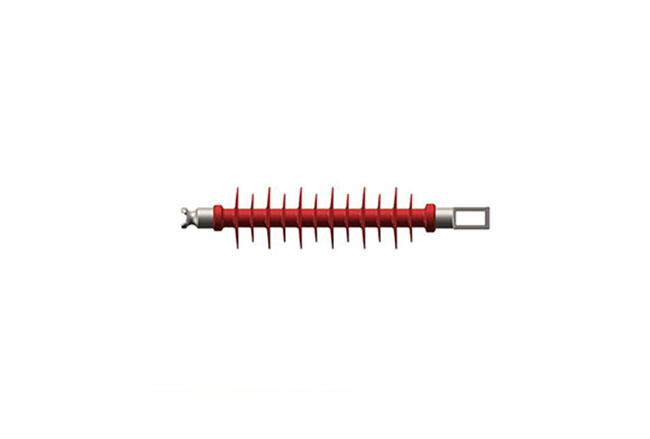
Corrosion-resistant polymer composite pin insulators represent a significant advancement in the field of electrical insulators, particularly in applications where traditional materials may falter due to harsh environmental conditions. These insulators are primarily designed for overhead power line applications, where they support conductors while preventing electrical leakage and maintaining system reliability.
The development of polymer composite materials has revolutionized the performance of insulators. Unlike traditional ceramic or glass insulators, which may suffer from breakage and corrosion over time, polymer composites offer enhanced durability and resistance to environmental degradation. This is particularly critical in coastal areas or industrial environments where corrosive agents such as salt, chemicals, and pollutants are prevalent. The polymer matrix encapsulates reinforcing fibers—often made from glass or aramid—which contribute to the material's mechanical strength while simultaneously offering lightweight characteristics that ease installation and support requirements.
The manufacturing process of these insulators involves advanced techniques such as pultrusion or resin transfer molding. These processes ensure uniform consistency and high-quality performance across products. The result is an insulator that not only withstands mechanical stresses—including wind and ice loads—but also resists UV degradation and moisture absorption, which can lead to electrical breakdown.
Corrosion-resistant polymer composite pin insulators also play a vital role in enhancing electrical performance. Their high dielectric strength minimizes the risk of electrical discharge and arcing, which is crucial for maintaining grid stability and safety. Moreover, these insulators can be engineered to various shapes and sizes, allowing for custom solutions tailored to specific applications and environmental conditions.
In terms of maintenance, the lightweight and durable nature of polymer composites means that these insulators often require less frequent inspections and replacements compared to traditional materials. This can translate to significant life-cycle cost savings and reduced downtime for power utilities.
The shift towards corrosion-resistant polymer composite pin insulators is underscored by ongoing research and development efforts aimed at improving their performance and expanding their applications. As industries continue to prioritize sustainability and long-term cost efficiency, the adoption of these advanced materials is likely to increase across the electrical infrastructure landscape. This integration of materials science and electrical engineering exemplifies a commitment to innovation and reliability in the face of evolving environmental challenges.

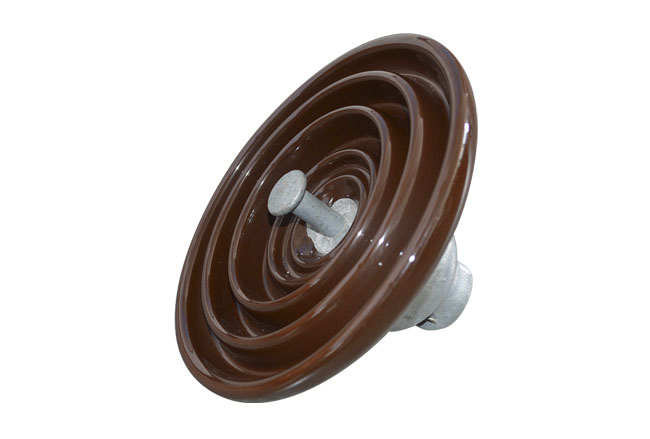
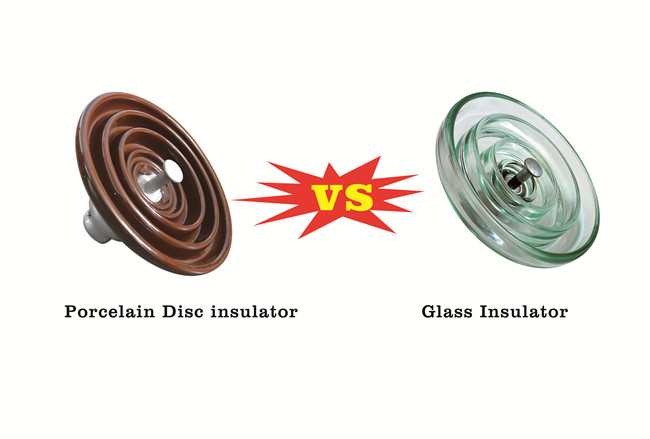
 70kN glass disc insulators