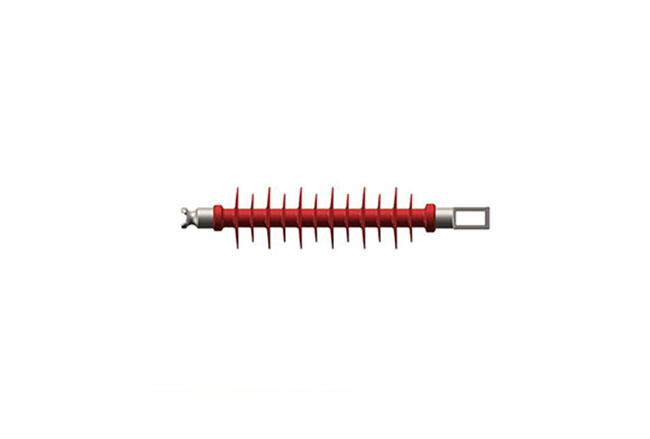
Silicone rubber polymeric insulators are advanced electrical components primarily used in power transmission and distribution systems. Renowned for their superior performance characteristics, these insulators serve to support and separate conductors while providing electrical isolation. Their composition, primarily silicone rubber—a synthetic elastomer—imparts exceptional properties that make them highly advantageous in various environmental conditions.
The efficacy of silicone rubber insulators is anchored in their unique material properties. Silicone rubber displays remarkable resistance to weathering, UV exposure, and ozone degradation, making it ideal for outdoor applications. Unlike traditional porcelain or glass insulators, silicone rubber exhibits a high degree of flexibility, which helps to absorb mechanical stresses and vibrations that occur during operations, thus ensuring longevity and durability. The hydrophobic characteristics of silicone rubber also enhance its performance in wet conditions by effectively shedding water, preventing the accumulation of contaminants that could compromise insulation performance.
From an electrical standpoint, silicone rubber insulators maintain high dielectric strength, allowing them to withstand significant voltage levels without breakdown. This is particularly critical in high-voltage applications where reliability is paramount. The lower weight of silicone polymeric insulators simplifies installation and maintenance processes compared to traditional materials, leading to reduced labor costs and time.
The adoption of silicone rubber insulators is increasingly prevalent in the energy sector, especially with the growing emphasis on renewable energy sources and smart grid technologies. Their versatility makes them suitable for various applications, including overhead transmission lines, substations, and renewable energy installations like wind and solar farms. Additionally, industries are recognizing the overall environmental benefits, as these insulators often have a longer operational lifespan and reduced failure rates, contributing to the sustainability goals of modern electrical infrastructure.
Endorsements from industry experts highlight that silicone rubber insulators not only enhance the safety and efficiency of power systems but also contribute significantly to reducing outages and operational disruptions. The integration of these insulators into modern electrical grids underscores a shift towards innovative materials technology, which aligns with best practices for enhancing operational reliability and resilience.
In conclusion, silicone rubber polymeric insulators stand at the forefront of electrical engineering innovation, offering a fusion of reliability, performance, and sustainability. Their unique attributes make them an essential component in contemporary power systems, ensuring safe and efficient electricity transmission while meeting the challenges of diverse environmental conditions.

 PVC coated iron wire