Polymer composite insulators have emerged as a pivotal innovation in the realm of high voltage power line infrastructure, particularly for 66kV applications. These insulators are engineered to enhance reliability, improve performance under varying environmental conditions, and reduce overall maintenance costs, thereby aligning with the growing demand for efficient energy transmission in modern power systems.
At the core of polymer composite insulators is a carefully crafted combination of materials—usually a fiberglass core coated with a polymer housing, most commonly made from silicone or epoxy resin. This construction provides significant advantages over traditional porcelain or glass insulators. One of the primary benefits of polymer composites is their lightweight nature, which facilitates easier handling and installation. This aspect is particularly important for high voltage applications, where weight can be a critical factor in both structural design and erection processes.
Expertise in the field has shown that polymer composite insulators exhibit superior hydrophobic properties, minimizing water absorption and surface pollution accumulation. Consequently, they demonstrate a reduced risk of surface tracking and arcing, even in challenging environments laden with contaminants like industrial pollutants or salt. Their resistance to environmental stresses—including UV radiation, thermal cycling, and extreme weather—enables them to maintain performance over extended service lifetimes, often exceeding 30 years while requiring minimal upkeep.
The engineering behind these insulators also enhances their mechanical strength and electrical performance. With a high dielectric strength, polymer composite insulators ensure effective electrical insulation under high voltage conditions, contributing to system stability and safety. The design considerations often include the optimization of geometry to withstand mechanical loads, which is crucial for ensuring reliability in regions susceptible to wind and ice loading.
From an authoritativeness perspective, numerous standards and testing protocols, such as those established by the International Electrotechnical Commission (IEC), underscore the rigor applied in evaluating the performance of polymer composite insulators. These standards attune the materials and designs to operational realities faced by utilities, ensuring that they meet or exceed industry benchmarks.
As energy demands evolve and the grid becomes more complex, the adoption of polymer composite insulators for 66kV power lines stands as a testament to innovation in electrical infrastructure. Their integration is a strategic move towards enhancing grid reliability, reducing outages, and aligning with global sustainability goals by decreasing the carbon footprint associated with maintenance and replacement of traditional insulator types. Overall, polymer composite insulators represent a forward-looking solution that aptly addresses the challenges faced by contemporary power systems.

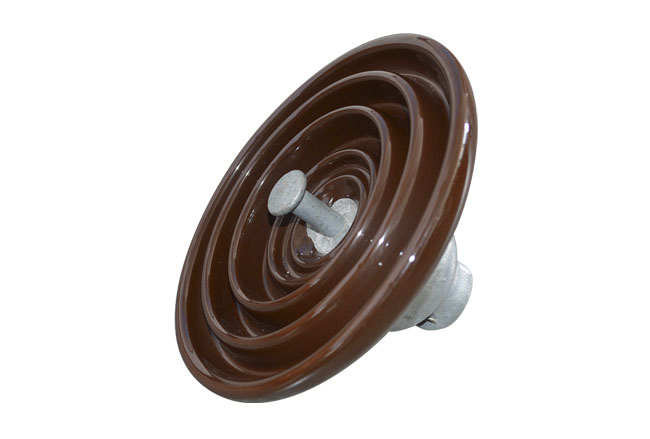
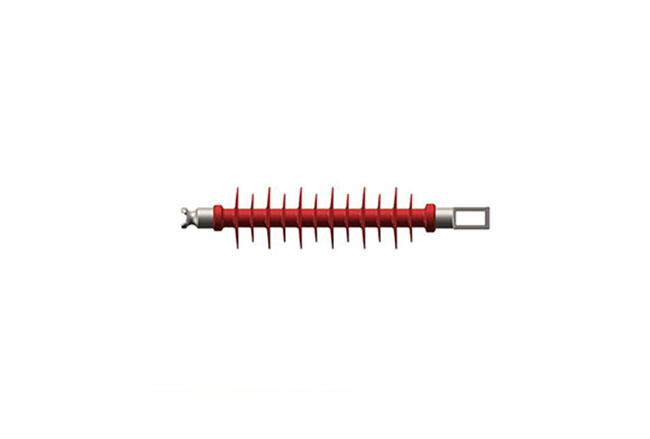
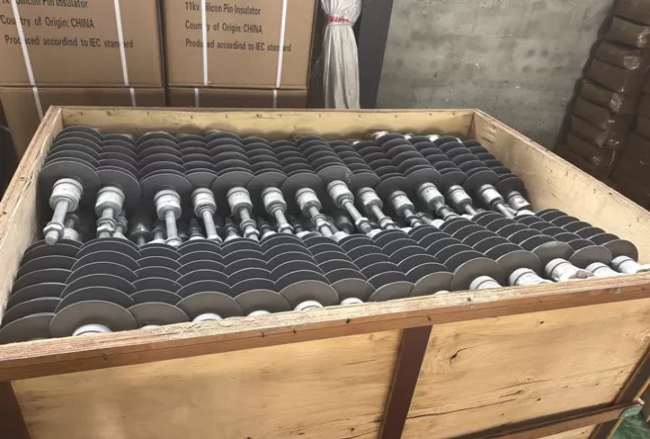
 1000mm composite insulators