## Understanding the Functionality of Outdoor Polymer Composite Pin Insulators
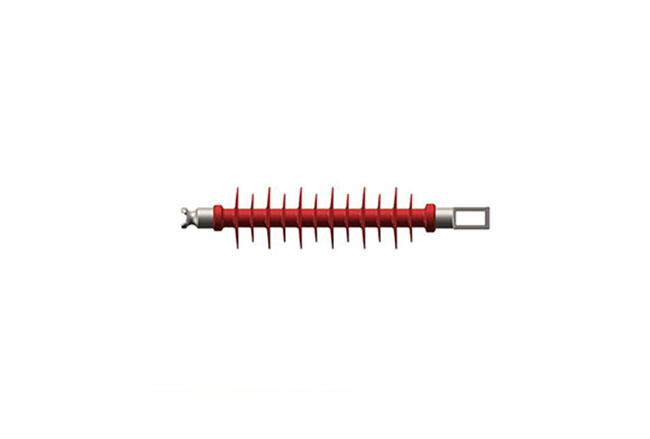
Outdoor polymer composite pin insulators are critical components in modern electrical systems, providing vital insulation and support for overhead transmission and distribution lines. These insulators are designed to withstand harsh environmental conditions while ensuring the efficient transmission of electricity. Their functionality hinges on several key components and working mechanisms.
At the core of a polymer composite pin insulator is its core, typically made from a glass-fiber reinforced plastic (FRP), which provides structural strength. This core is then enveloped in a polymeric housing, often constructed from silicone rubber or ethylene-propylene rubber. These materials are selected for their excellent hydrophobicity, UV resistance, and durability, which help prevent electrical tracking and ensure long-lasting performance.
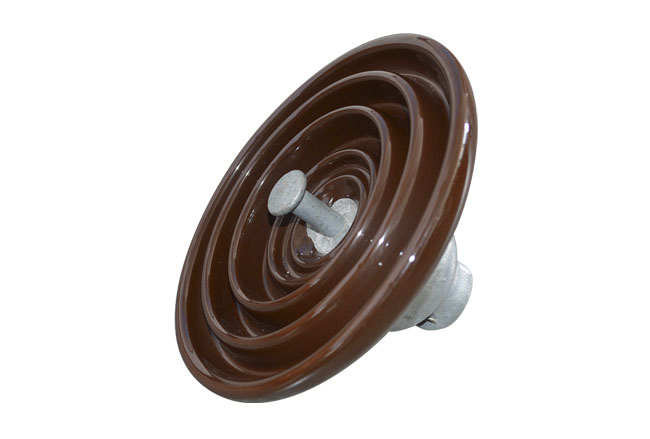
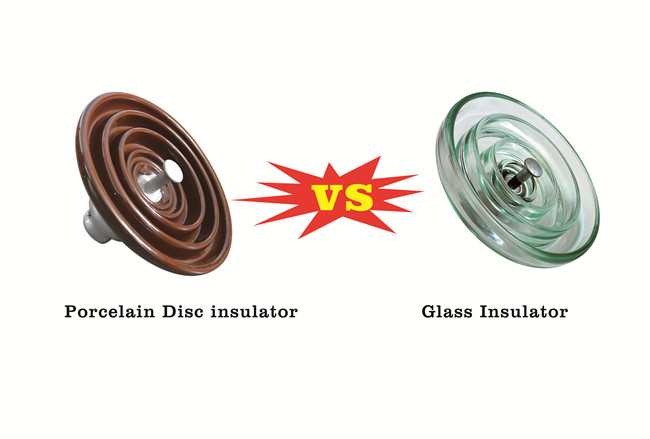
One of the primary working mechanisms of these insulators is their ability to repel moisture and dirt. The hydrophobic surface of the polymer effectively creates a barrier against water accumulation, which is a common cause of flashovers in traditional porcelain insulators. When moisture does contact the surface, its ability to bead and drain off prevents the formation of conductive paths that can lead to electrical failures, thereby enhancing reliability.
Advanced technologies play a significant role in the production of outdoor polymer composite pin insulators. Modern manufacturing processes involve innovative techniques such as automated molding and precision fabrication, which enhance operational efficiency. For instance, the use of advanced curing processes allows for the quick setting of polymer materials, ensuring that production timelines are minimized without compromising quality. Furthermore, computer numerical control (CNC) machining enables precise shaping of insulator components, leading to improved performance characteristics.
In practical applications, outdoor polymer composite pin insulators are widely used in transmission and distribution networks across various regions. For example, in urban areas where space is limited, these insulators enable lighter structures that are easier to install and maintain. Additionally, in remote or rural locations, the durability of polymer insulators reduces the need for frequent maintenance, effectively lowering operational costs.
In conclusion, the outdoor polymer composite pin insulator is a testament to the fusion of material science and engineering excellence. Its robust design, coupled with advanced manufacturing technologies, ensures reliability and efficiency in electrical infrastructures. For businesses looking to incorporate these innovative components into their networks, it is essential to work with reputable suppliers. Should you have questions or require further information, we invite you to contact us for expert guidance and support.

 IEC composite insulators