## Understanding Lightweight Polymeric Insulators for Overhead Lines
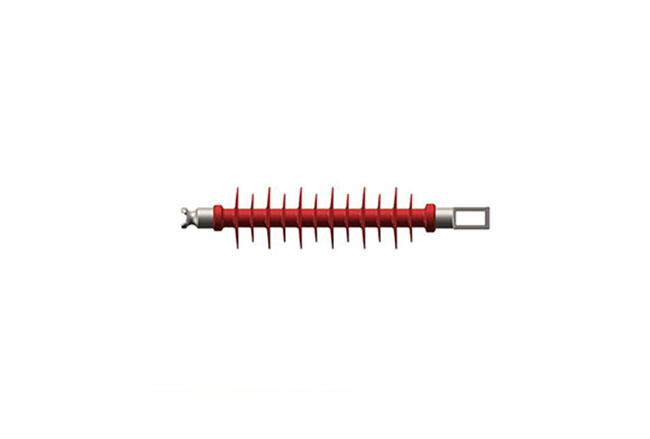
Lightweight polymeric insulators are integral components in modern overhead power line systems, playing a crucial role in improving efficiency and reliability. These insulators are primarily made from advanced polymer materials that are engineered to provide excellent insulating properties, mechanical strength, and weather resistance.
At the core of a lightweight polymeric insulator is a composite material, typically formed by combining polymer resins, fillers, and additives. The polymers, such as silicone or EPDM (epichlorohydrin rubber), are chosen for their outstanding electrical insulation properties and durability. Fillers improve thermal stability and mechanical reinforcement, while additives help to enhance UV resistance and anti-fouling properties. The overall design often incorporates a core material that enhances the insulator's structural integrity.
The working mechanism of polymeric insulators is driven by their ability to resist electrical breakdown under high voltage conditions. When voltage is applied, the insulator's surface repels moisture and pollutants, which can reduce performance in traditional ceramic insulators. This property is crucial when overhead lines are subjected to various environmental conditions, such as rain, ice, or dust.
Advanced technology plays a pivotal role in the production processes of these insulators. Automated manufacturing techniques, such as injection molding and extrusion, allow for precise shaping and layering of polymers, resulting in consistent quality and performance. The adoption of computer-aided design (CAD) and finite element analysis (FEA) in the development phase ensures that each insulator is optimized for specific load and environmental conditions. Moreover, advancements in material science have led to the creation of lighter compositions, which facilitate easier handling and installation while reducing transportation costs.
Real-world applications of lightweight polymeric insulators are vast. They are extensively used in urban areas due to their ability to withstand pollution and provide electric insulation in crowded environments. For instance, cities with high humidity and air pollution levels benefit from these insulators, as they maintain integrity and efficiency without frequent maintenance. Furthermore, their lightweight nature makes them ideal for sections of overhead lines traversing difficult terrains, reducing the structural load on towers and poles.
With the ongoing innovations and development in lightweight polymeric insulator technology, the industry is poised for future growth. As the need for robust, efficient power delivery systems rises, businesses and utilities are increasingly looking to reliable suppliers of these advanced insulators. For more insights into lightweight polymeric insulators and how they can enhance your overhead line projects, contact us to discuss your requirements.

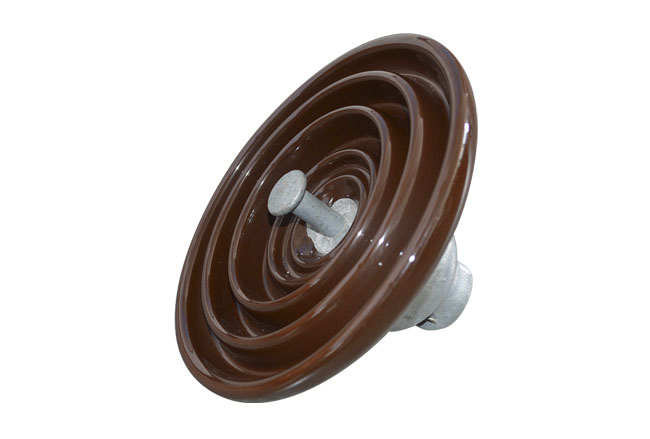
 ANSI glass insulators