## Understanding Corrosion-Resistant Polymeric Insulators
Corrosion-resistant polymeric insulators are engineered materials designed to withstand harsh environmental conditions while providing excellent electrical insulation. These insulators are crucial in the electrical and telecommunication industries, where they protect sensitive components from moisture, chemicals, and other corrosive agents.
At the core of these insulators is a polymer matrix, typically made from materials such as silicone, polyurethane, or epoxies. These polymers are chosen for their inherent resistance to chemical attacks, UV degradation, and moisture absorption. The incorporation of specific fillers and additives enhances the mechanical properties and electrical performance of the insulators. For example, glass fibers may be integrated to improve tensile strength and thermal stability, ensuring that the insulators can function effectively in varied conditions.
The working mechanism of corrosion-resistant polymeric insulators is rooted in their ability to repel water and resist contaminant adhesion. This property is often enhanced through surface treatments, such as hydrophobic coatings, which prevent the buildup of dirt and moisture. A clean surface ensures that electrical discharges are minimized, enhancing performance and reliability.
Advanced technology plays a pivotal role in the production of these insulators. Techniques such as injection molding and advanced composite fabrication allow for precise control over material properties and dimensions, which contributes to the consistency and quality of the final product. Automation and computer-aided design (CAD) systems streamline the manufacturing process, reducing lead times and improving efficiency. In addition, innovations in additive manufacturing open new avenues for customizing insulator designs to meet specific application requirements.
A practical example of corrosion-resistant polymeric insulators in action can be seen in high-voltage transmission lines located in coastal areas, where salt and humidity can cause rapid degradation of traditional insulators. The use of polymeric insulators not only extends the lifespan of electrical infrastructure but also reduces maintenance costs associated with frequent replacements.
In conclusion, corrosion-resistant polymeric insulators play a crucial role in safeguarding electrical equipment against corrosive environments. Their advanced manufacturing technologies ensure high-quality production and reliability in various applications. For businesses looking for effective solutions in electrical insulation, understanding the benefits of these insulators is imperative. To explore further possibilities or seek suppliers for your corrosion-resistant needs, feel free to contact us.

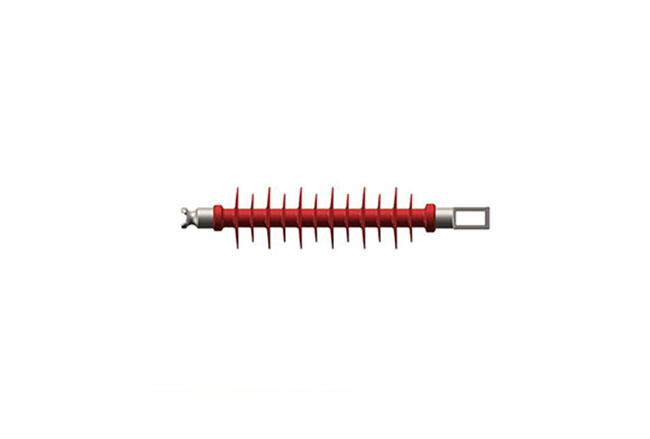
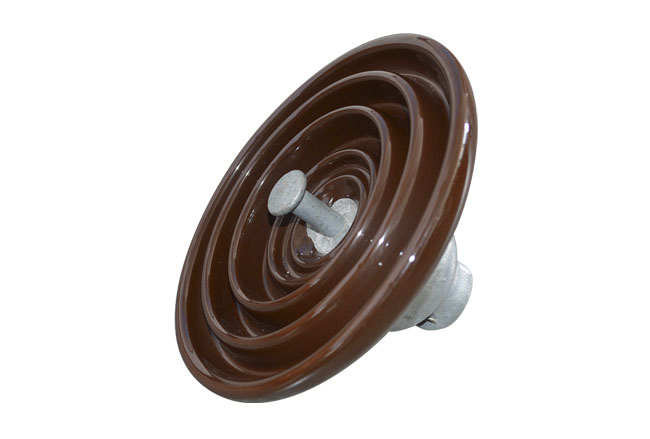
 50kN overhead fittings