## Understanding Toughened Glass Insulators: Mechanisms and Applications
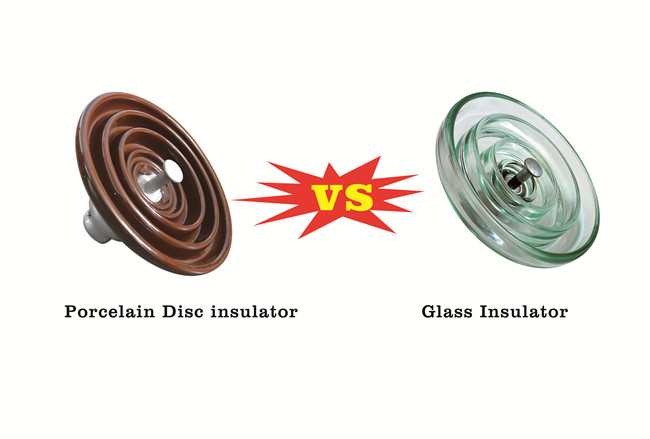
Toughened glass insulators are essential components in electrical transmission and distribution systems, designed to maintain the reliability and efficiency of electrical infrastructure. These insulators are engineered through a specific process that enhances their strength and thermal resistance, making them superior alternatives to traditional ceramic or porcelain insulators.
The core mechanism behind toughened glass insulators lies in the thermal tempering process. Initially, standard glass is shaped into insulator forms, and then subjected to a controlled heating process, heating it to temperatures exceeding 600°C. This step is crucial as it allows the glass to release internal tension. Following this, the glass is rapidly cooled in a process called quenching, which creates a compressive layer on the surface. This impressive thermal treatment results in a material that is three to five times stronger than ordinary glass.
The key components of toughened glass insulators include the glass itself, which must meet strict specifications for clarity, strength, and thermal resilience, as well as specially designed fittings that connect the insulator to electrical wires and structures. The chemical composition of toughened glass is tailored to resist both high-voltage electrical discharge and environmental conditions, such as temperature fluctuations, moisture, and corrosive elements.
Advanced technology plays a pivotal role in the production of these insulators. State-of-the-art machinery and automated processes optimize the shaping and tempering phases, ensuring uniformity and reducing production times. In addition, advanced quality control systems utilize non-destructive testing methods, such as ultrasound and infrared inspection, to identify defects and ensure each insulator meets high-performance standards before leaving the production line.
Practical applications of toughened glass insulators are prevalent in various settings. For instance, their lightweight yet durable nature makes them ideal for use in high-voltage power lines strung over vast distances. They provide a reliable solution, effectively reducing the risk of mechanical failure due to wind, ice, or contaminants. Moreover, in renewable energy sectors, such as wind and solar farms, toughened glass insulators facilitate the efficient transmission of electricity produced by these sustainable sources.
In summary, toughened glass insulators represent a significant advancement in materials technology for electrical systems. Their superior mechanical properties, coupled with cutting-edge production techniques, position them as an essential element in modern electrical manufacturing. For manufacturers and businesses looking for reliable guidance and high-quality toughened glass insulators, please do not hesitate to contact us. Our network of trusted suppliers ensures that your production needs are met with excellence and efficiency.


 33kV lightning arresters