## Understanding High Voltage Polymeric Insulators: Mechanisms and Applications
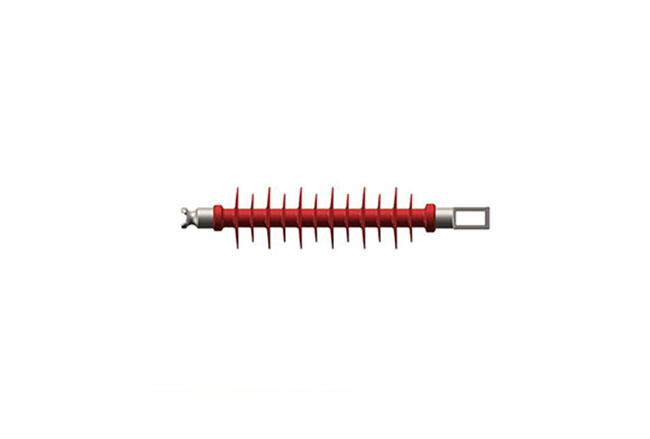
High voltage polymeric insulators are crucial components in the transmission of electrical energy, employing advanced materials and technology to ensure reliable performance in challenging environments. These insulators primarily work using a combination of polymer materials and specialized design to provide high electrical resistance under voltage and environmental stresses.
At the heart of high voltage polymeric insulators is the insulator body, typically composed of thermoplastic or thermosetting polymers. These materials are selected for their excellent electrical insulating properties and mechanical strength. Unlike traditional porcelain or glass insulators, polymeric insulators are lightweight, which facilitates easier handling and installation in the field. A common type of polymer used is silicone rubber, which not only offers high dielectric strength but also resists UV degradation and hydrophobicity, making it ideal for outdoor applications.
The working mechanism of a high voltage polymeric insulator involves two main processes: electrical insulation and mechanical support. The insulator is designed to withstand high electric fields while preventing current from leaking through to the ground. Its surface is engineered to repel water and dirt, which can lead to tracking and arcing, further enhancing its performance. This makes polymeric insulators particularly well-suited for areas with harsh climatic conditions, such as coastal regions or high pollution zones.
In terms of advanced technology applications, the manufacturing of high voltage polymeric insulators leverages techniques such as computer-aided design (CAD) and sophisticated molding processes to create precise and uniform products. Automated production lines enable high-efficiency manufacturing, reducing human error and production time. Moreover, innovations in material science, such as the incorporation of nanofillers, have led to improved thermal and electrical characteristics, enhancing the insulator's durability and lifespan.
For instance, in high-voltage overhead transmission lines, the ability of polymeric insulators to perform reliably under extreme weather conditions is paramount. A prominent example is in the installation of these insulators in regions prone to ice storms, where their lightweight design allows for less structural support, thus reducing overall costs while ensuring safety and functionality.
In conclusion, high voltage polymeric insulators represent a significant advancement in electrical insulation technology, combining strong performance with advanced manufacturing processes. Their ability to withstand various environmental challenges while ensuring safety makes them indispensable in modern electrical infrastructure. For more information on sourcing high quality high voltage polymeric insulators, contact us or explore suppliers who specialize in these innovative products to meet your specific needs.

 Soft binding iron wire