Aug. 06, 2026
When a transmission line fails, the root cause is often not the conductor itself but the insulation system supporting it. A single flashover, contamination track, or mechanical crack in an insulator string can trigger an outage that cascades across feeders, increases outage minutes, and forces utilities into costly emergency dispatches. That is why the question Why are Glass Insulators used in power lines? matters far beyond basic materials science: it directly affects grid reliability, maintenance budgets, and public safety. At ZheXi, we see this issue as a long-term asset-management decision, not just a component choice. If a utility ignores insulation performance, the consequences can include unplanned downtime, higher line-loss risk, accelerated maintenance cycles, and avoidable replacement costs.

From my experience, the continued use of Glass Insulators in overhead lines is not about tradition; it is about engineering consistency. Utilities need a material with predictable dielectric behavior, strong mechanical integrity, and visible defect detection. That combination is difficult to ignore in high-voltage networks.
High dielectric strength
Glass provides stable electrical insulation and helps prevent leakage current under rated operating conditions.
Visible failure mode
When a glass disc is damaged, the failure is often visually identifiable. This makes field inspection faster and more decisive than with some opaque alternatives.
Weather and UV stability
glass power line insulators have strong resistance to ultraviolet degradation and long-term environmental aging.
Mechanical reliability
Properly manufactured units can withstand tension loads, conductor swing, vibration, and wind-induced stress.
Lower lifecycle uncertainty
For utilities, predictable performance is a business advantage because it simplifies preventive maintenance planning.
The question is not only why glass is used, but why failures happen when system conditions are poor. In real-world service, the main drivers are usually environmental and operational.
Pollution accumulation: Industrial dust, salt fog, and cement particles can create conductive paths across the insulator surface.
Wet contamination: Rain, dew, and fog reduce surface resistance and increase leakage current.
Mechanical impact: Ballistic damage, vandalism, or debris can crack the glass shell.
Improper installation: Incorrect torque, misaligned hardware, or poor string configuration increases stress concentration.
Aging of line components: Suspension strings and fittings can degrade if not inspected on schedule.
In high-pollution corridors, Glass power line insulators are often preferred because their performance is measurable and inspection is straightforward. When used correctly, they give operators a clear maintenance signal before failure spreads across the circuit.
For utility companies, the value of Glass power line insulators is not limited to electrical insulation. They influence uptime, asset utilization, and emergency response costs.
| Business metric | Impact of reliable glass insulators |
|---|---|
| Outage duration | Reduced by earlier defect detection |
| Maintenance cost | Lower due to easier visual inspection |
| Spare parts planning | More predictable inventory management |
| Crew efficiency | Faster field verification |
| Customer satisfaction | Fewer interruption complaints |
When a distribution or transmission operator can identify a broken disc visually, the repair workflow becomes simpler. That means fewer hours spent on diagnostic climbing, fewer unnecessary replacements, and faster restoration. In commercial terms, that is a measurable ROI advantage.
At ZheXi, quality is not claimed casually; it is verified through standardized procedures. For buyers, this is where trust is built.
Dimensional inspection to 0.01 mm precision for critical interfaces
100% inspection of visible surface defects before packing
Mechanical load testing according to relevant ASTM, DIN, or IEC-aligned requirements
Power-frequency withstand testing
Impulse withstand verification
Salt fog performance evaluation for contaminated environments
These checks matter because a transmission operator does not buy a single insulator. They buy a service life expectation. If the product varies beyond tolerance, the entire string performance becomes uncertain.
A practical example often seen in coastal and industrial networks is the performance difference between maintenance-heavy and inspection-friendly designs. In one substations-and-overhead-line replacement program, the utility reported that broken glass discs were easier to identify during routine patrols than hidden degradation in other insulation types. That improved defect localization shortened troubleshooting time and reduced unnecessary line shutdowns.
In another high-salt-fog corridor, the maintenance team prioritized Glass power line insulators because the inspection process could be integrated into regular aerial patrols and ground patrols without specialized non-destructive analysis. The result was a more efficient preventive maintenance cycle and fewer emergency callouts.
This is why the phrase Why are glass insulators used in power lines? is closely tied to operational economics. The answer is not just “because they insulate.” It is because they support easier fault recognition, lower uncertainty, and better lifecycle control.
Neglecting insulator condition is expensive. In power delivery, small defects can escalate into system-level problems.
Flashover events
Contamination and moisture can trigger surface discharge and outage.
Repeated service interruptions
A weak insulator string can create recurring fault zones.
Higher O&M costs
Emergency repair, overtime labor, and helicopter or bucket-truck dispatch quickly add up.
Asset damage
Arcing can damage crossarms, hardware, and adjacent fittings.
Reputation loss
For utilities and EPC contractors, poor reliability metrics affect customer trust and contract performance.
If business conditions change—such as increased load demand, stricter outage targets, or more severe weather—old maintenance assumptions can fail fast. That is why Glass power line insulators remain relevant in modern grid planning: they help operators keep the insulation system visible, verifiable, and manageable.
When I evaluate suppliers, I focus on engineering consistency, traceability, and export-ready quality control. ZheXi supports buyers who need stable product quality and responsive service.
Clear technical drawings and dimensional tolerances
Verified testing under ASTM / DIN / IEC-based protocols
Batch traceability
Packaging protection for export transit
24-hour response for technical inquiry and quotation support
Consistent finish, cementing quality, and hardware compatibility
If your project involves overhead transmission, distribution upgrades, or utility procurement, choosing the right Glass Insulators supplier can reduce project risk from day one.
So, Why are glass insulators used in power lines? Because they combine electrical insulation, mechanical strength, visible failure detection, and stable long-term performance in one proven solution. For utilities, EPC contractors, and industrial buyers, that means better reliability and lower lifecycle cost. For ZheXi, it means delivering Glass power line insulators that support real-world grid performance, not just laboratory metrics.
If you are planning a new line project or replacing aging insulation, I recommend reviewing your contamination level, mechanical load requirements, and testing documentation before procurement. The right choice today can prevent costly outages tomorrow. Contact ZheXi to discuss specifications, standards, and the best-fit Glass Insulators for your application.
Latest News
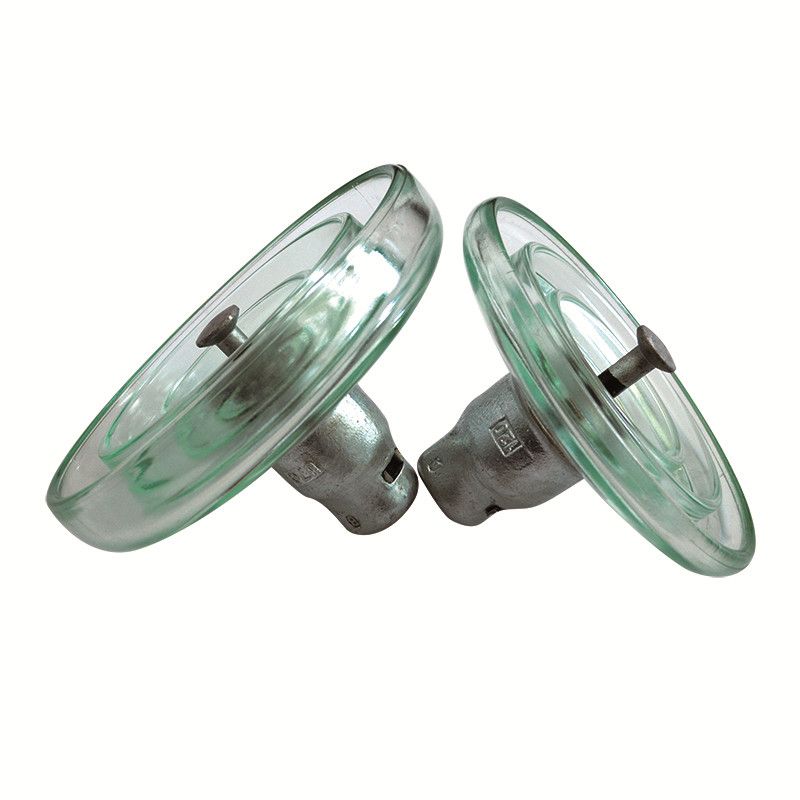
What are the advantages of glass insulators?
Glass power line insulators are key parts of overhead transmission and distribution systems. They keep current where it belongs and help wires stay safely separated from towers and poles. For utilities, this matters because one failed insulator can trigger outage risk, maintenance cost, and service interruption. For project teams and buyers, the real question is not just “what is it?” but
Sep. 04, 2026
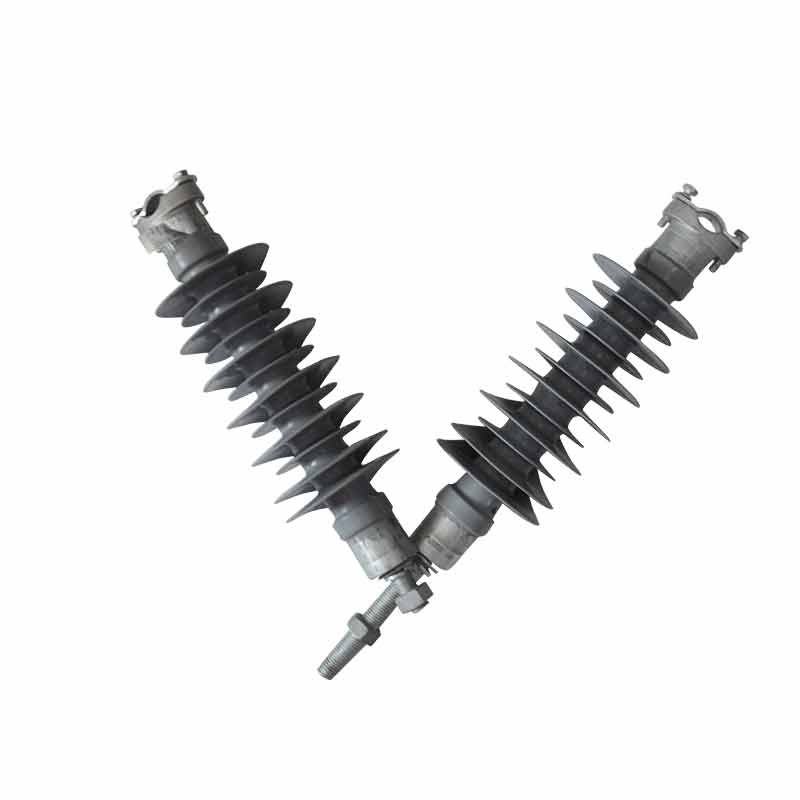
Are polymeric insulators resistant to pollution and salt fog?
A Polymeric Insulator is a lightweight composite insulation device made from a fiberglass core, silicone rubber housing, and metal end fittings. In practical power-grid applications, it is used to support and isolate conductors on transmission and distribution lines while resisting environmental stress such as contamination, moisture, and UV aging. For utilities and EPC contractors, this matters
Sep. 03, 2026
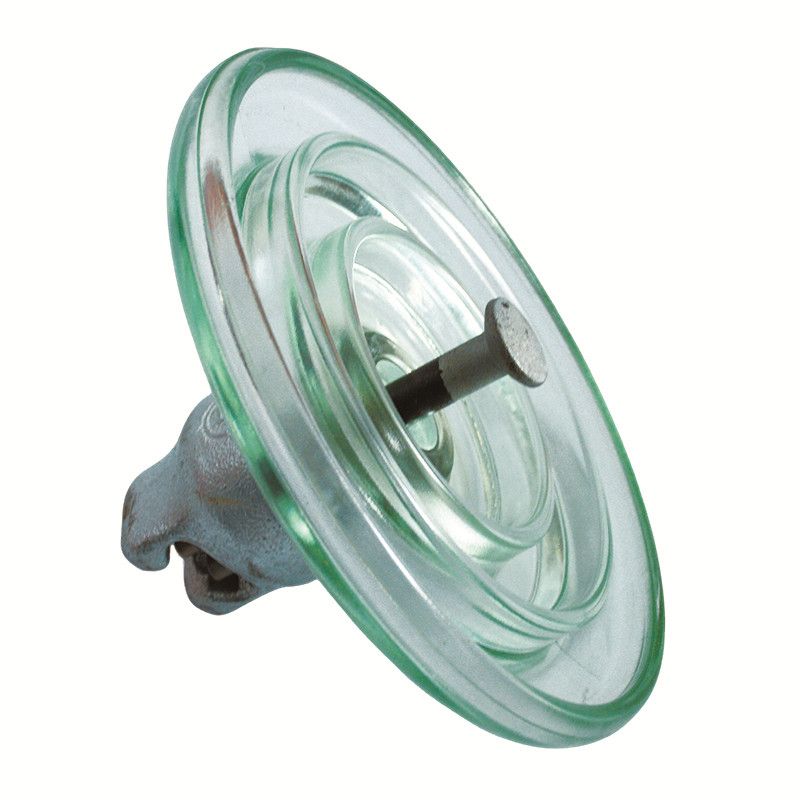
How do glass insulators differ from porcelain and polymeric insulators?
Glass Insulators are widely used in power transmission and distribution networks because they are easy to inspect, cost-effective in many applications, and offer strong long-term performance when selected correctly. If you are comparing Glass Insulators with porcelain and polymeric options, the real question is not only material difference, but als
Sep. 02, 2026
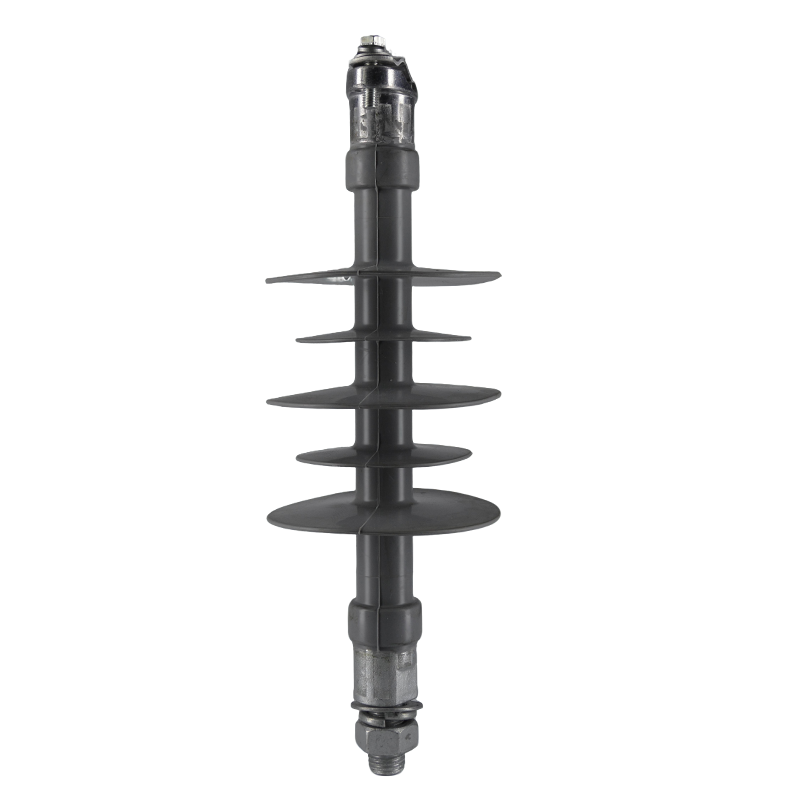
What materials are used in polymeric insulators?
The Composite polymer insulator has become an important part of modern power transmission and distribution systems. As grids move toward higher voltage levels and harsher outdoor environments, utilities need insulation that is lighter, safer, and easier to maintain. A polymeric insulator helps solve real field problems such as flashover in pollution, broken porcelain caused by impact, and high
Sep. 01, 2026

The principle of zinc oxide arrester
The core component is a zinc oxide (ZnO) resistor varistor, whose internal grains exhibit nonlinear volt-ampere characteristics:
Aug. 14, 2026

What are the advantages of porcelain insulators?
Ceramic Porcelain Insulator is a core part of modern power transmission and distribution systems. It helps lines stay safe, stable, and insulated under rain, dust, heat, and mechanical stress. In today’s grid, the need for a reliable porcelain insulator for power lines, a high voltage ceramic porcelain insulator, and a durable electrical porcelai
Aug. 07, 2026

Why are glass insulators used in power lines?
When a transmission line fails, the root cause is often not the conductor itself but the insulation system supporting it. A single flashover, contamination track, or mechanical crack in an insulator string can trigger an outage that cascades across feeders, increases outage minutes, and forces utilities into costly emergency dispatches. That is why
Aug. 06, 2026
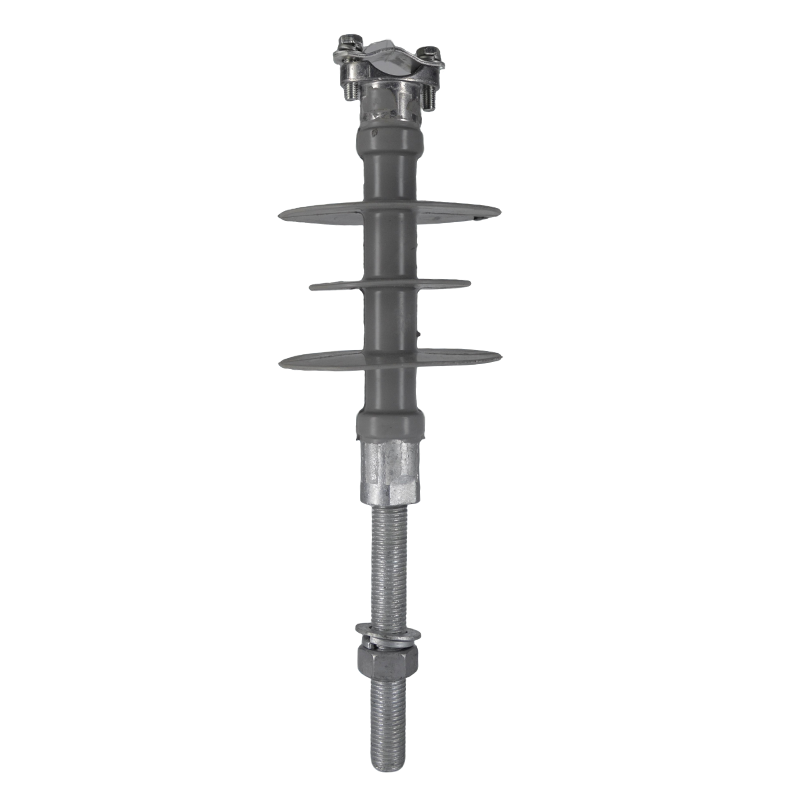
What are the main advantages of polymeric insulators?
Composite polymer insulator technology has become important in modern power grids because it helps utilities reduce outages, improve safety, and cut maintenance time. In the first 100 words, one thing is clear: Composite polymer insulator products solve real problems for lines that face pollution, salt fog, rain, and heavy vibration. For readers searching for polymeric insulator benefits,
Aug. 05, 2026
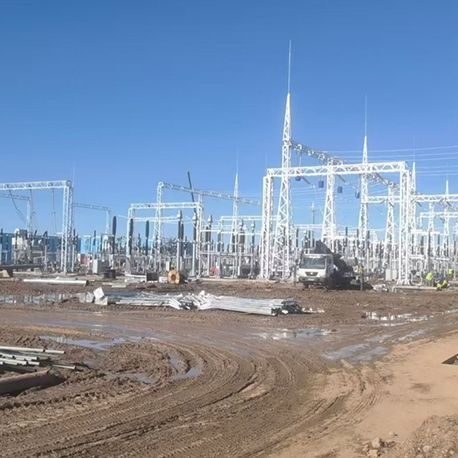
What standards do porcelain insulators comply with?
A porcelain insulator is an electrical insulation component made from high-strength ceramic material that prevents current leakage and supports conductors in power systems. In real projects, it is used on transmission lines, substations, rail electrification, and distribution networks to maintain insulation integrity, mechanical support, and long-term operational safety. For utilities and EPC
Aug. 04, 2026
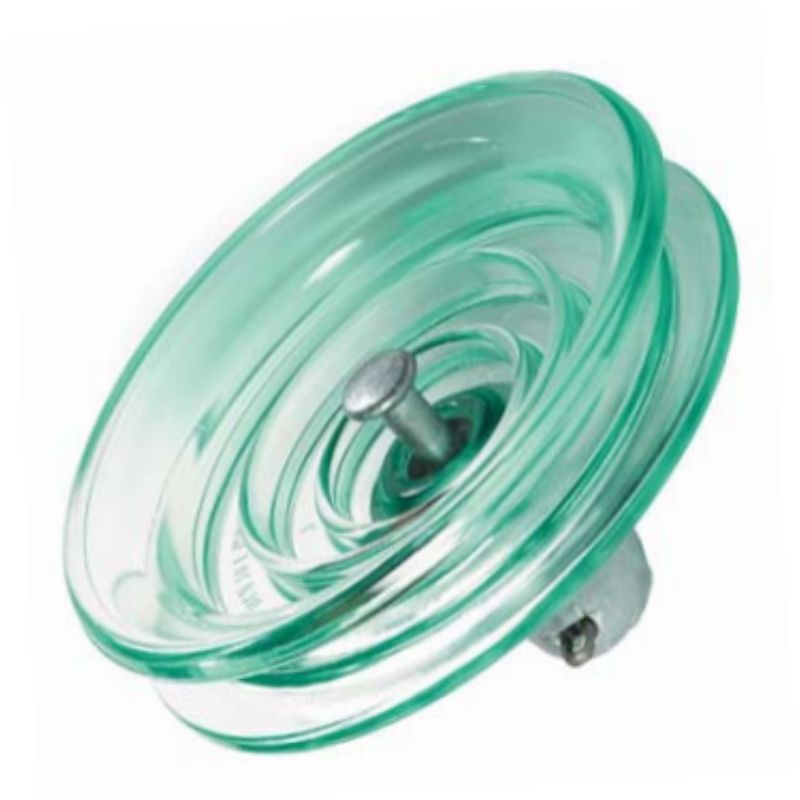
What materials are used in glass insulators?
Glass power line insulators are a key part of modern overhead power systems. They keep high-voltage conductors safely separated from towers and poles, so electricity can travel long distances without leakage or short circuits. In simple terms, they help power lines stay stable, safe, and efficient.
Jul. 29, 2026