May. 21, 2026
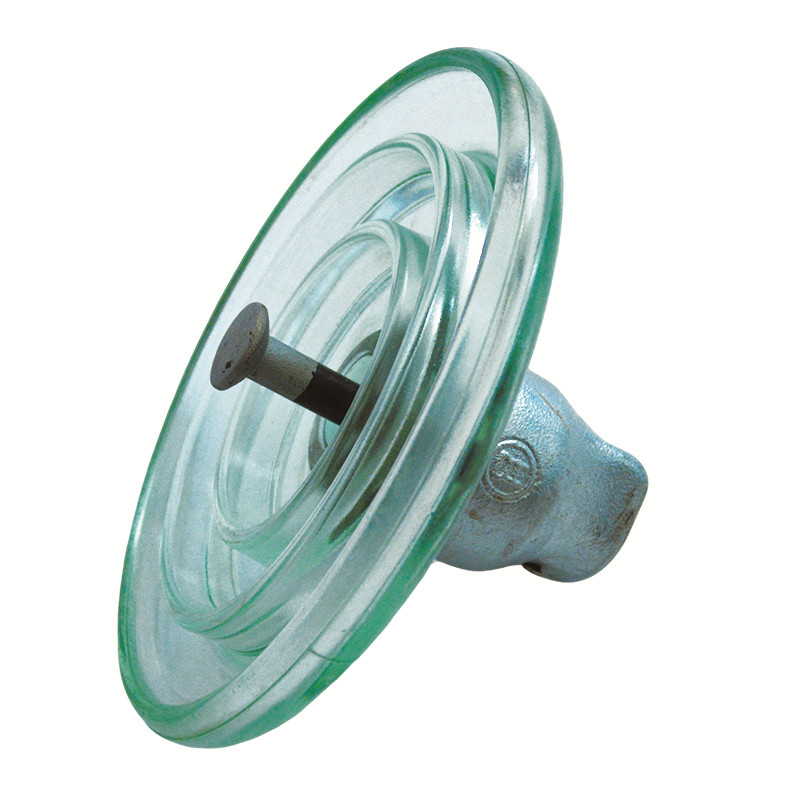
Glass insulators are essential components in the electrical transmission and distribution industry, designed specifically to support and insulate conductors from electrical and environmental influences. They serve a dual purpose: ensuring that electrical currents are efficiently transmitted and safeguarding infrastructure from voltage breakdowns. By utilizing glass insulators, businesses can enhance both performance and safety levels in high-voltage power systems, ultimately saving costs on repairs and improving the reliability of their energy supply.
To gain a clearer understanding of glass insulators, it's important to look at their historical context. First developed in the late 19th century, glass insulators were designed to replace less effective materials, such as wood and porcelain. These innovations paved the way for advancements in electrical grid systems, making glass itself a preferred choice for its durability, low porosity, and high electrical resistance. The evolution of glass production techniques has ensured that modern glass insulators are not only robust but also highly efficient, capable of supporting voltages of up to 765 kilovolts, depending on their design specifications.
The relevance of glass insulators extends beyond their physical properties. Their use spans various sectors, primarily in high-voltage transmission lines and substations where reliability and safety are crucial. For instance, glass power line insulators are pivotal in preventing line sagging and maintaining the mechanical stability of overhead power lines. By effectively isolating electrical conductors, they minimize the risk of electrical leakage, which can lead to extensive damage and safety hazards. Additionally, glass insulators can withstand extreme weather conditions, including high winds, ice, and temperature fluctuations, making them ideal for regions that experience adverse weather patterns.
Despite their widespread use, misconceptions about glass insulators persist within the industry. One common misconception is that glass insulators are prone to cracking or shattering, leading to safety dangers. In reality, modern glass insulators benefit from rigorous manufacturing standards like ASTM D149 and IEC 60383-1 that ensure their resilience. In fact, glass insulators are tested to endure mechanical stress and electrical impacts, assuring their reliability even under the most taxing conditions.
For clarity, it's valuable to examine practical case studies showcasing the applications of glass power line insulators. In a 2020 project in Northern California, a utility company replaced outdated porcelain insulators with glass models on over 150 miles of transmission lines. As a result, they reported a 25% reduction in maintenance costs and a significant improvement in system uptime—all attributable to the enhanced performance of glass insulators. By adopting these innovative solutions, they not only created a more reliable electrical grid but also ensured their compliance with evolving energy standards and regulations.
In summary, glass insulators stand as a testament to both historical innovation and modern engineering excellence. They are a vital component of the electrical infrastructure landscape, particularly in facilitating reliable power transmission while adhering to stringent safety standards. For businesses in the energy sector, investing in high-quality glass power line insulators can lead to substantial financial and operational benefits. To delve deeper into the nuances of glass insulator applications or to inquire about specific solutions tailored for your operational needs, consider exploring our offerings at ZheXi.
Latest News
What are the advantages of glass insulators?
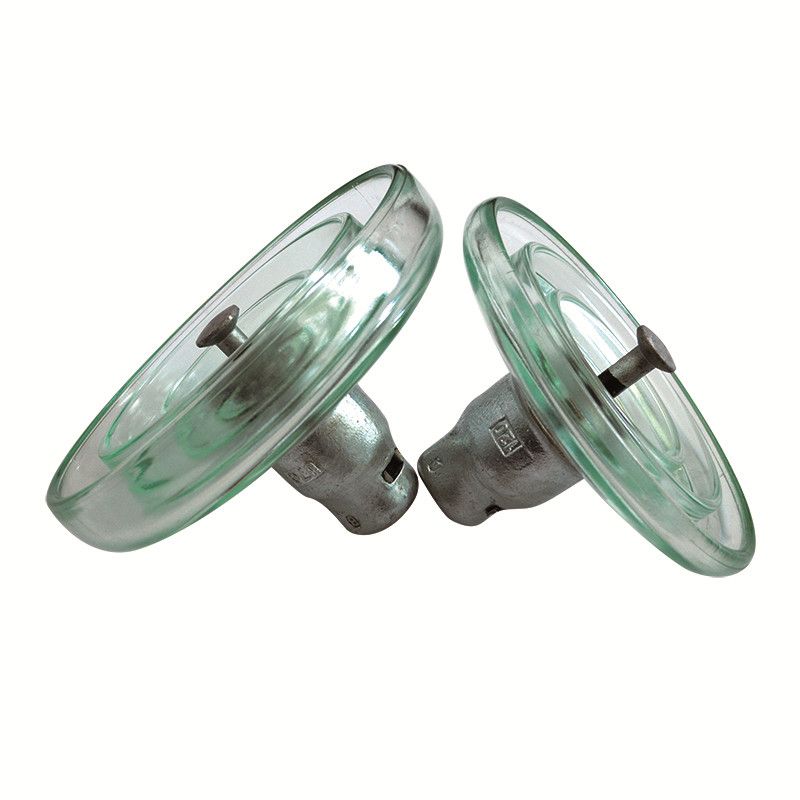
Glass power line insulators are key parts of overhead transmission and distribution systems. They keep current where it belongs and help wires stay safely separated from towers and poles. For utilities, this matters because one failed insulator can trigger outage risk, maintenance cost, and service interruption. For project teams and buyers, the real question is not just “what is it?” but
Sep. 04, 2026
Are polymeric insulators resistant to pollution and salt fog?
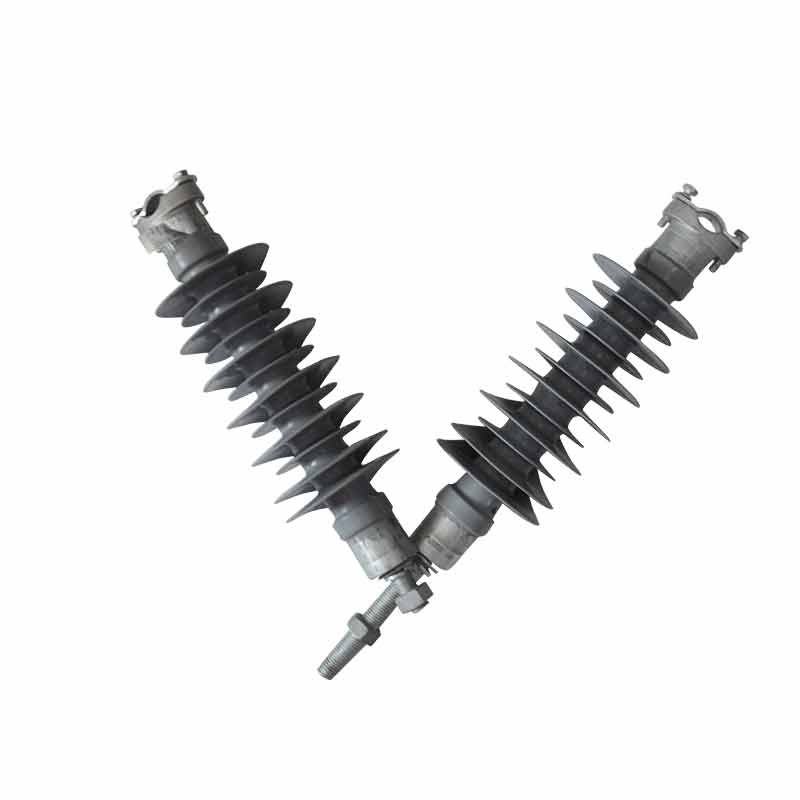
A Polymeric Insulator is a lightweight composite insulation device made from a fiberglass core, silicone rubber housing, and metal end fittings. In practical power-grid applications, it is used to support and isolate conductors on transmission and distribution lines while resisting environmental stress such as contamination, moisture, and UV aging. For utilities and EPC contractors, this matters
Sep. 03, 2026
How do glass insulators differ from porcelain and polymeric insulators?
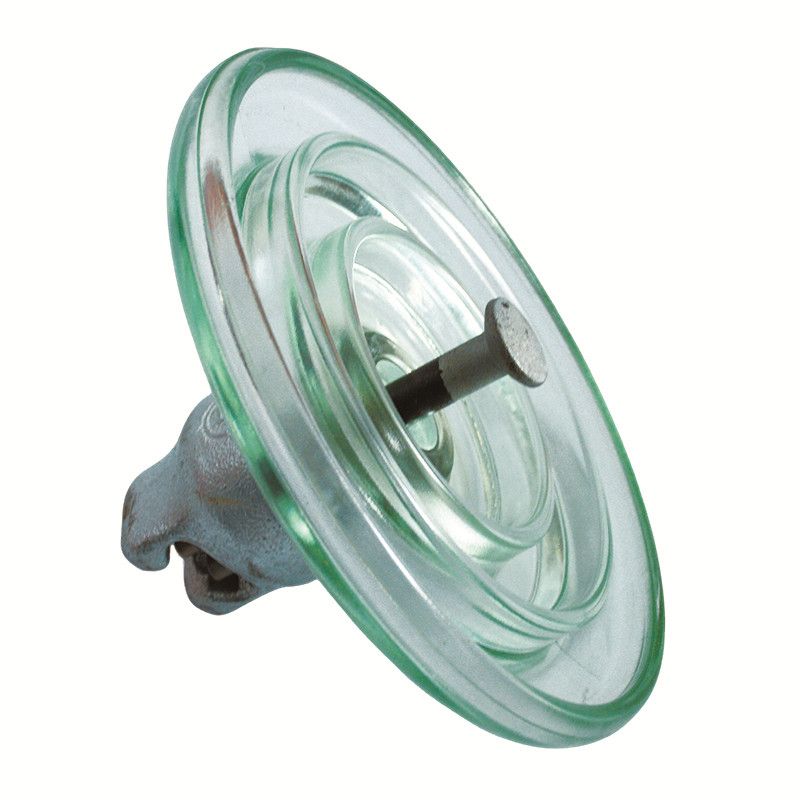
Glass Insulators are widely used in power transmission and distribution networks because they are easy to inspect, cost-effective in many applications, and offer strong long-term performance when selected correctly. If you are comparing Glass Insulators with porcelain and polymeric options, the real question is not only material difference, but als
Sep. 02, 2026
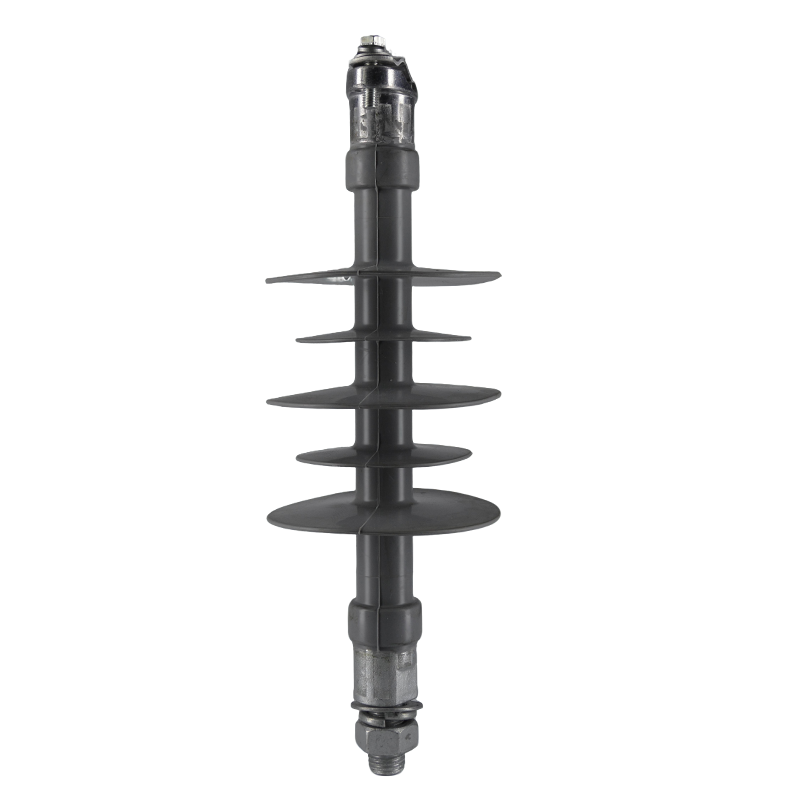
What materials are used in polymeric insulators?
The Composite polymer insulator has become an important part of modern power transmission and distribution systems. As grids move toward higher voltage levels and harsher outdoor environments, utilities need insulation that is lighter, safer, and easier to maintain. A polymeric insulator helps solve real field problems such as flashover in pollution, broken porcelain caused by impact, and high
Sep. 01, 2026

The principle of zinc oxide arrester
The core component is a zinc oxide (ZnO) resistor varistor, whose internal grains exhibit nonlinear volt-ampere characteristics:
Aug. 14, 2026

What are the advantages of porcelain insulators?
Ceramic Porcelain Insulator is a core part of modern power transmission and distribution systems. It helps lines stay safe, stable, and insulated under rain, dust, heat, and mechanical stress. In today’s grid, the need for a reliable porcelain insulator for power lines, a high voltage ceramic porcelain insulator, and a durable electrical porcelai
Aug. 07, 2026

Why are glass insulators used in power lines?
When a transmission line fails, the root cause is often not the conductor itself but the insulation system supporting it. A single flashover, contamination track, or mechanical crack in an insulator string can trigger an outage that cascades across feeders, increases outage minutes, and forces utilities into costly emergency dispatches. That is why
Aug. 06, 2026
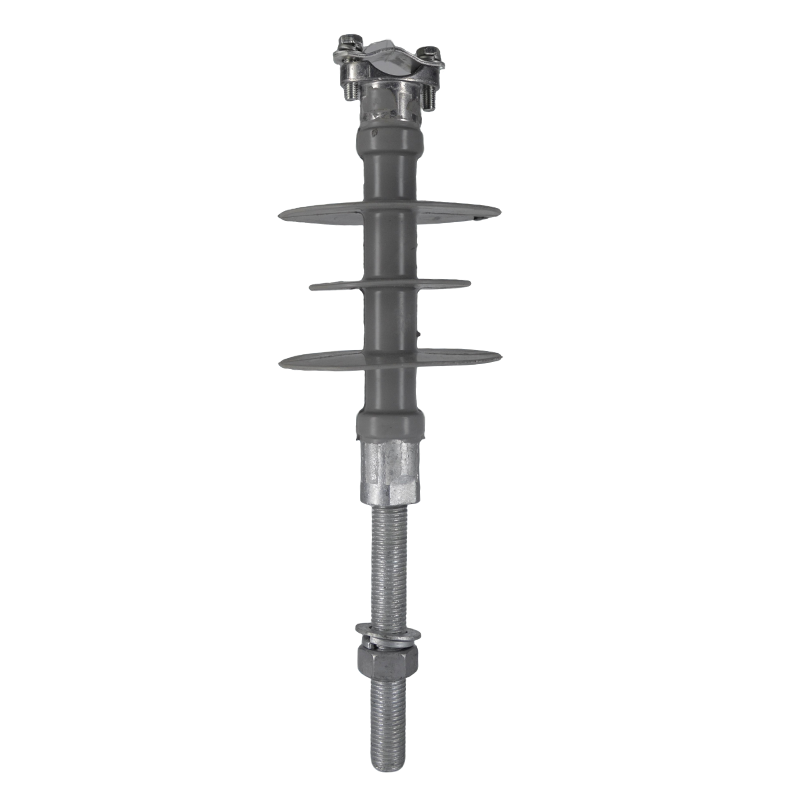
What are the main advantages of polymeric insulators?
Composite polymer insulator technology has become important in modern power grids because it helps utilities reduce outages, improve safety, and cut maintenance time. In the first 100 words, one thing is clear: Composite polymer insulator products solve real problems for lines that face pollution, salt fog, rain, and heavy vibration. For readers searching for polymeric insulator benefits,
Aug. 05, 2026
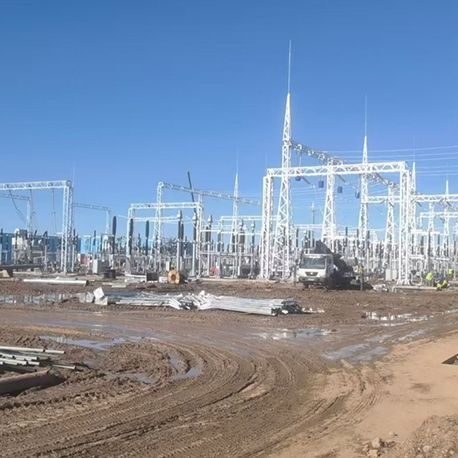
What standards do porcelain insulators comply with?
A porcelain insulator is an electrical insulation component made from high-strength ceramic material that prevents current leakage and supports conductors in power systems. In real projects, it is used on transmission lines, substations, rail electrification, and distribution networks to maintain insulation integrity, mechanical support, and long-term operational safety. For utilities and EPC
Aug. 04, 2026
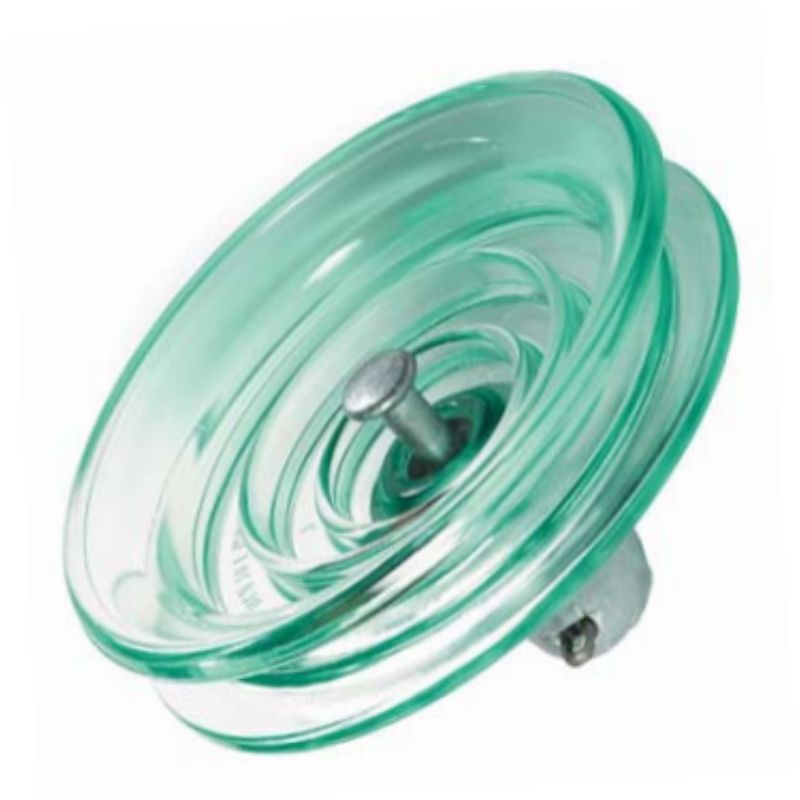
What materials are used in glass insulators?
Glass power line insulators are a key part of modern overhead power systems. They keep high-voltage conductors safely separated from towers and poles, so electricity can travel long distances without leakage or short circuits. In simple terms, they help power lines stay stable, safe, and efficient.
Jul. 29, 2026