Aug. 04, 2026
A Porcelain Insulator is an electrical insulation component made from high-strength ceramic material that prevents current leakage and supports conductors in power systems. In real projects, it is used on transmission lines, substations, rail electrification, and distribution networks to maintain insulation integrity, mechanical support, and long-term operational safety. For utilities and EPC contractors, choosing the right ceramic porcelain insulator directly affects outage risk, maintenance cost, and asset lifecycle value. In short, compliance with the correct standards is not just a technical requirement—it is a business decision that improves reliability, reduces failure rates, and supports predictable procurement.
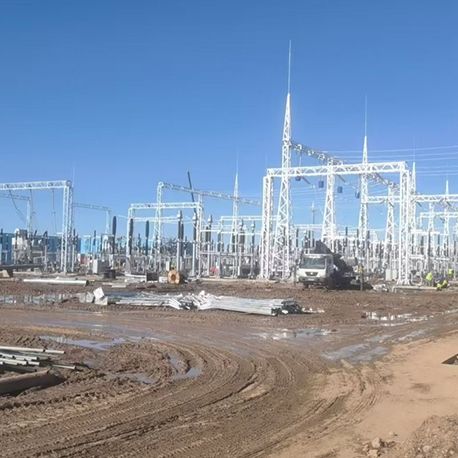
When buyers ask What standards do porcelain insulators comply with?, the answer depends on the application, voltage class, climate, and regional grid code. In most cases, a Ceramic Porcelain Insulator is designed and tested according to international and national specifications that define dimensions, electrical performance, mechanical strength, and contamination resistance.
For global projects, the most common compliance frameworks include:
For many projects, ZheXi provides a Ceramic Porcelain Insulator solution aligned with the target standard set, with traceable batch records, dimensional verification to 0.01 mm, and 100% inspection on critical appearance and assembly characteristics.
Standards are the backbone of utility-grade insulation procurement. Without them, even a visually similar Porcelain Insulator may fail under electrical stress, thermal shock, or mechanical loading.
A compliant Ceramic Porcelain Insulator ensures:
Electrical withstand capability
It can survive impulse voltage, power-frequency voltage, and pollution flashover conditions.
Mechanical reliability
Tensile and cantilever loads remain within the rated design envelope.
Dimensional interchangeability
Standardized interfaces help reduce installation errors and spare-part mismatch.
Long service life
Proper glaze quality and porcelain body density improve resistance to moisture absorption and surface degradation.
Procurement consistency
Utility buyers can compare suppliers on the same technical basis.
In practical terms, standards help grid operators avoid hidden costs. A substandard Ceramic Porcelain Insulator may pass a basic visual check, yet still fail in salt fog, industrial pollution, or high-wind mechanical loading. That is why serious buyers request test reports, material certificates, and compliance declarations—not just catalog photos.
The development of porcelain insulation standards goes back to the rapid expansion of AC power networks in the late 19th and early 20th centuries. As voltage levels rose, early glass and ceramic insulation products began to reveal weaknesses in surface contamination, puncture resistance, and mechanical consistency.
To solve these issues, utilities and standards bodies introduced:
Over time, the Ceramic Porcelain Insulator became a preferred solution for many transmission and substation applications because of its mature manufacturing process, stable dielectric behavior, and proven performance in harsh environments.
Today, the market still relies on these standard frameworks because power networks are more interconnected, more heavily loaded, and more sensitive to failure than ever before. For ZheXi, compliance is not treated as a checkbox; it is part of the engineering workflow from raw material selection to final type testing.
A genuine utility-grade Ceramic Porcelain Insulator is usually verified through a series of design, type, and routine tests. These tests confirm that the product matches its claimed performance under real operating conditions.
For high-volume production, ZheXi applies controlled quality checkpoints, including 100% inspection of critical surfaces and serial traceability for each Ceramic Porcelain Insulator batch. In demanding export projects, buyers often require third-party validation according to IEC, ASTM, or DIN references to ensure compatibility with local grid specifications.
Many purchasing mistakes happen because people focus on appearance or price instead of technical conformity. A Ceramic Porcelain Insulator may look identical across suppliers, but the internal porcelain body, glaze thickness, shed profile, and mechanical margin can differ significantly.
This is false. Differences in alumina content, firing process, and glaze consistency can change performance under contamination and temperature cycling.
Not true. Visual quality does not verify puncture voltage, cantilever strength, or wet flashover performance.
Voltage rating is important, but so are creepage distance, mechanical load class, and environmental pollution level. A correct Ceramic Porcelain Insulator selection must match the actual service condition.
Export and cross-border utility projects often require compliance with multiple frameworks, such as IEC + ANSI, or GB/T + customer technical specification.
To avoid these errors, buyers should request a complete compliance package: technical datasheet, type test report, routine test record, and packaging inspection list. ZheXi typically supports this documentation flow with a 24-hour response window for technical clarification.
The value of a compliant Porcelain Insulator is easiest to understand in real field applications.
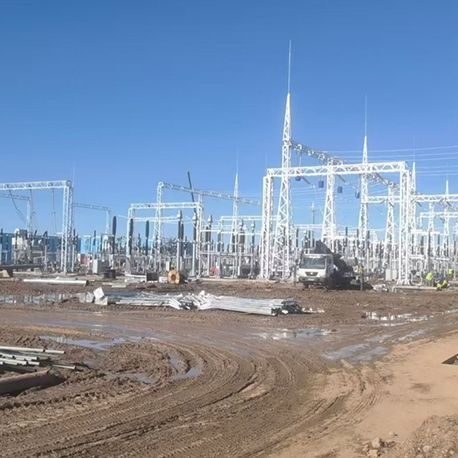
In 110 kV to 500 kV lines, a Ceramic Porcelain Insulator string must maintain dielectric separation and mechanical stability under wind load, icing, and pollution. A small defect can lead to flashover and line outage.
Post-type Ceramic Porcelain Insulator units in substations must support rigid busbars and equipment terminals while resisting cantilever stress. Here, consistent dimensional tolerance is critical.
Salt mist, dust, and chemical contamination accelerate surface leakage. Standards such as IEC 60507 help verify whether the Ceramic Porcelain Insulator can survive aggressive pollution conditions.
For traction systems, insulation reliability is essential because vibration and dynamic loading are constant. A certified Porcelain Insulator reduces maintenance interruptions.
International projects often need dual compliance documents. A Ceramic Porcelain Insulator from ZheXi can be specified to meet target-market standards, simplifying customs, inspection, and commissioning.
| Item | Non-compliant product | Compliant Ceramic Porcelain Insulator |
|---|---|---|
| Dimensional tolerance | Inconsistent | Controlled to 0.01 mm on critical dimensions |
| Inspection | Random sampling only | 100% inspection on critical parameters |
| Standards | Unclear | IEC / ASTM / DIN / ANSI / GB/T as required |
| Traceability | Limited | Batch and serial traceability |
| Field risk | Higher flashover and replacement rate | Lower failure probability and better lifecycle value |
This is why engineers do not buy a Porcelain Insulator by price alone. They buy tested insulation performance, predictable service life, and lower operational risk.
A utility contractor once faced repeated contamination flashovers on a coastal feeder line. The earlier Ceramic Porcelain Insulator units had no complete pollution-test documentation and weak glaze consistency. After replacing them with a standards-based solution verified to IEC 60507 and supported by routine factory inspection, outage frequency dropped sharply and emergency maintenance calls decreased.
The key lesson was simple: the product itself was not enough; the standard compliance evidence mattered more.
In another substation upgrade, the buyer required a Ceramic Porcelain Insulator with verified mechanical performance and dimensional repeatability. ZheXi supplied units with full test records, and installation errors were minimized because interface dimensions matched the drawing exactly. That saved time during commissioning and reduced rework.
To make sure a Ceramic Porcelain Insulator is fit for purpose, confirm the following:
Standard reference
Ask which exact standard applies: IEC, ANSI, DIN, ASTM, GB/T, or customer-specific.
Voltage and mechanical rating
Match system voltage, creepage distance, and mechanical load.
Environmental condition
Confirm pollution class, altitude, humidity, and coastal exposure.
Test evidence
Request type test reports, routine test data, and inspection records.
Traceability and packaging
Ensure each Porcelain Insulator shipment includes batch identification and protected packaging.
Supplier capability
Choose a manufacturer like ZheXi that supports technical consultation, documentation, and after-sales response within 24 hours.
So, What standards do porcelain insulators comply with? In practice, the answer is the set of international and national rules that govern electrical performance, mechanical strength, dimensional accuracy, and environmental durability. For buyers, a compliant Ceramic Porcelain Insulator means lower failure risk, smoother project execution, and stronger long-term asset value.
Whether your project requires IEC, ASTM, DIN, ANSI, or GB/T alignment, the safest approach is to verify test reports, demand traceability, and work with a supplier that understands utility-grade engineering. If you are sourcing a Ceramic Porcelain Insulator for transmission, substation, or railway use, ZheXi can help match the right specification to your operating conditions and compliance requirements.
Latest News
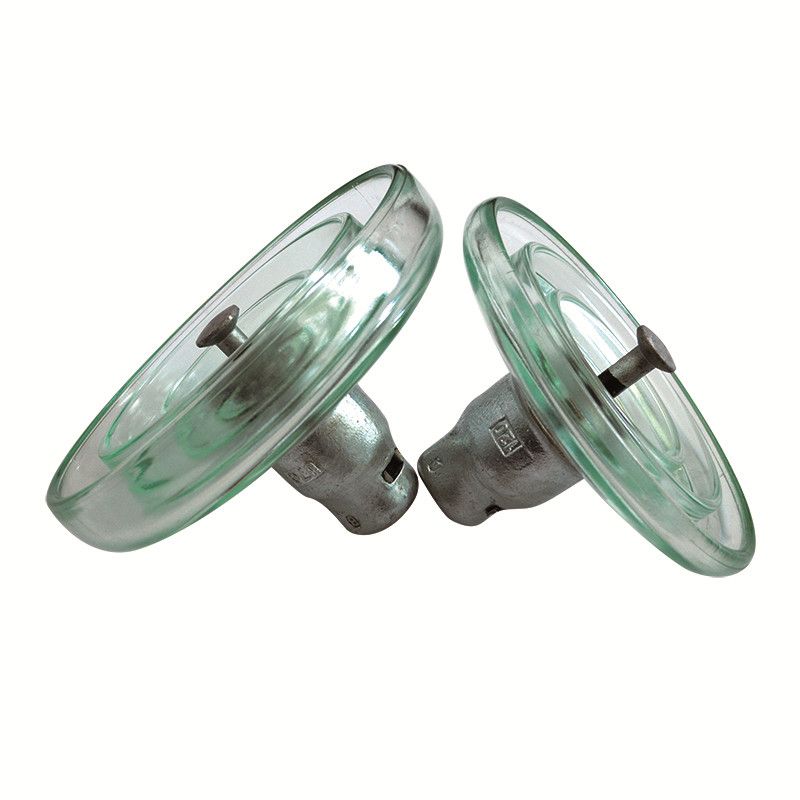
What are the advantages of glass insulators?
Glass power line insulators are key parts of overhead transmission and distribution systems. They keep current where it belongs and help wires stay safely separated from towers and poles. For utilities, this matters because one failed insulator can trigger outage risk, maintenance cost, and service interruption. For project teams and buyers, the real question is not just “what is it?” but
Sep. 04, 2026
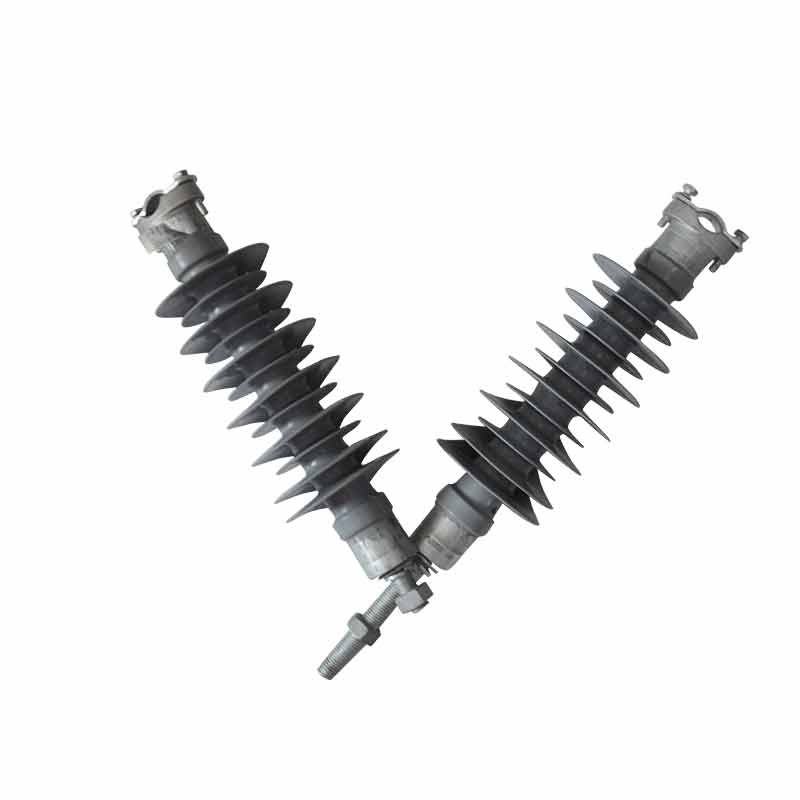
Are polymeric insulators resistant to pollution and salt fog?
A Polymeric Insulator is a lightweight composite insulation device made from a fiberglass core, silicone rubber housing, and metal end fittings. In practical power-grid applications, it is used to support and isolate conductors on transmission and distribution lines while resisting environmental stress such as contamination, moisture, and UV aging. For utilities and EPC contractors, this matters
Sep. 03, 2026
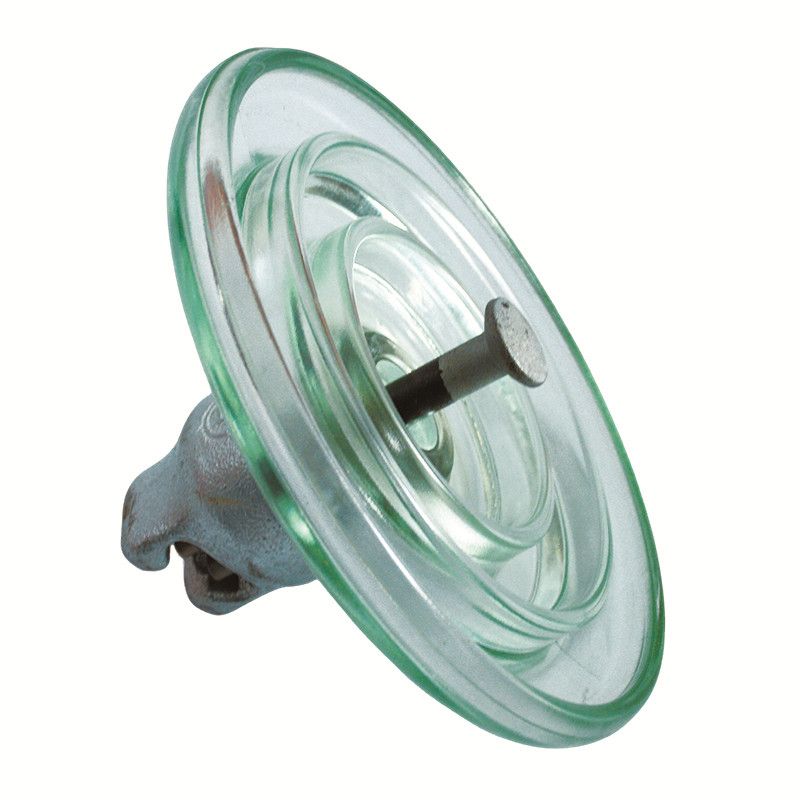
How do glass insulators differ from porcelain and polymeric insulators?
Glass Insulators are widely used in power transmission and distribution networks because they are easy to inspect, cost-effective in many applications, and offer strong long-term performance when selected correctly. If you are comparing Glass Insulators with porcelain and polymeric options, the real question is not only material difference, but als
Sep. 02, 2026
What materials are used in polymeric insulators?
The Composite polymer insulator has become an important part of modern power transmission and distribution systems. As grids move toward higher voltage levels and harsher outdoor environments, utilities need insulation that is lighter, safer, and easier to maintain. A polymeric insulator helps solve real field problems such as flashover in pollution, broken porcelain caused by impact, and high
Sep. 01, 2026

The principle of zinc oxide arrester
The core component is a zinc oxide (ZnO) resistor varistor, whose internal grains exhibit nonlinear volt-ampere characteristics:
Aug. 14, 2026

What are the advantages of porcelain insulators?
Ceramic Porcelain Insulator is a core part of modern power transmission and distribution systems. It helps lines stay safe, stable, and insulated under rain, dust, heat, and mechanical stress. In today’s grid, the need for a reliable porcelain insulator for power lines, a high voltage ceramic porcelain insulator, and a durable electrical porcelai
Aug. 07, 2026

Why are glass insulators used in power lines?
When a transmission line fails, the root cause is often not the conductor itself but the insulation system supporting it. A single flashover, contamination track, or mechanical crack in an insulator string can trigger an outage that cascades across feeders, increases outage minutes, and forces utilities into costly emergency dispatches. That is why
Aug. 06, 2026
What are the main advantages of polymeric insulators?
Composite polymer insulator technology has become important in modern power grids because it helps utilities reduce outages, improve safety, and cut maintenance time. In the first 100 words, one thing is clear: Composite polymer insulator products solve real problems for lines that face pollution, salt fog, rain, and heavy vibration. For readers searching for polymeric insulator benefits,
Aug. 05, 2026
What standards do porcelain insulators comply with?
A porcelain insulator is an electrical insulation component made from high-strength ceramic material that prevents current leakage and supports conductors in power systems. In real projects, it is used on transmission lines, substations, rail electrification, and distribution networks to maintain insulation integrity, mechanical support, and long-term operational safety. For utilities and EPC
Aug. 04, 2026
What materials are used in glass insulators?
Glass power line insulators are a key part of modern overhead power systems. They keep high-voltage conductors safely separated from towers and poles, so electricity can travel long distances without leakage or short circuits. In simple terms, they help power lines stay stable, safe, and efficient.
Jul. 29, 2026