Jul. 29, 2026
glass power line insulators are a key part of modern overhead power systems. They keep high-voltage conductors safely separated from towers and poles, so electricity can travel long distances without leakage or short circuits. In simple terms, they help power lines stay stable, safe, and efficient.
For utility buyers, engineers, and project managers, the real question is not only “what are Glass Insulators?” but also what materials are used in glass insulators, how they perform in bad weather, and when they are better than porcelain or composite types. If a line runs through heavy pollution, salt fog, or strong wind, the wrong insulator choice can lead to more cleaning work, higher outage risk, and more maintenance costs. That is why glass power line insulators still matter in today’s grid projects, especially for transmission lines, substations, and distribution networks.
This article explains the full process in a clear way: definition, materials, applications, advantages, and buying guidance. It also includes a practical look at what materials are used in glass insulators and how those materials affect performance in real-world use.
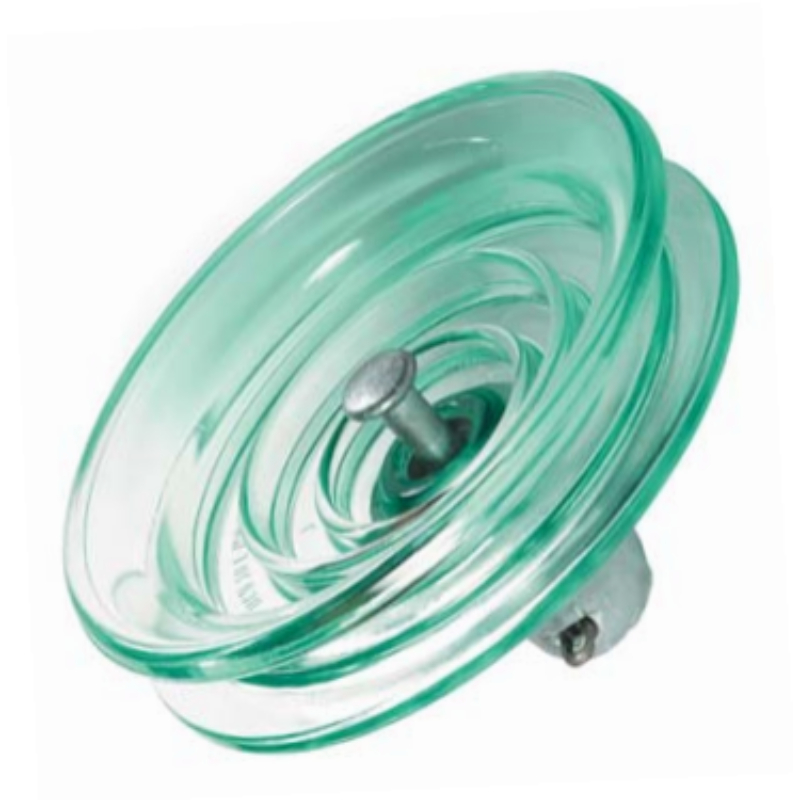
When people ask what materials are used in glass insulators, the answer is not just “glass.” A high-quality glass insulator is usually made from toughened glass, metal fittings, and sealing materials. Each part has a job.
The main body is usually tempered or toughened soda-lime glass. This glass is heat-treated to improve strength and break behavior.
Why this matters:
Industry data and utility practice show that toughened glass insulators are often preferred on transmission lines because damaged units can be spotted from the ground more easily than hidden internal defects in some other insulator types.
The end fittings are usually made from forged steel, malleable iron, or ductile iron depending on the design. These parts connect the insulator to the line hardware.
Why this matters:
The glass body and metal fittings are joined with a special high-strength cement-like bonding material. In industry, this joint is important because it transfers load and keeps the assembly stable.
To stop water from entering the joint area, manufacturers use sealants and careful surface treatment. Good sealing helps reduce corrosion and long-term failure risk.
Some glass insulators include:
These are not the main body material, but they affect how the insulator performs in dust, salt, or industrial pollution.
The material mix changes:
A practical example: in polluted coastal areas, utilities often need insulators that can keep stable insulation levels even when salt deposits build up. Good material selection can reduce cleaning cycles and outage risk.
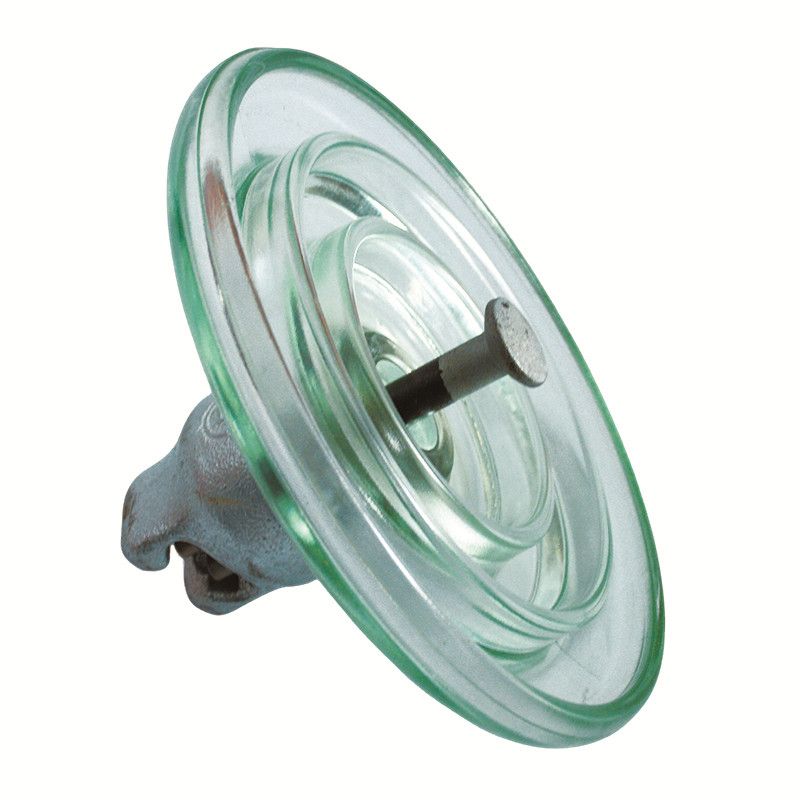
A glass insulator is an electrical component made mainly of toughened glass used to support and isolate power conductors from grounded structures.
In industry language, it is often called:
Compared with a basic description, these terms help buyers and engineers understand not just what the product is, but how it behaves in a real grid.
Glass power line insulators are important because they protect the grid in three ways:
They improve safety
They help reduce maintenance confusion
They support long-distance transmission
Utility operation data often shows that inspection visibility is one of the biggest practical advantages of glass insulators. If a unit is broken, operators can notice it during line inspection without removing the entire string.
This is one reason glass insulators for overhead power lines remain a common choice in many countries.
Glass insulators are widely used on overhead transmission lines for:
These lines need insulation that can handle high voltage and long-term mechanical stress.
In substations, glass insulators help isolate live equipment from grounded structures. They are used in:
In medium-voltage distribution systems, glass insulators are used where cost control, easy inspection, and weather resistance matter.
In places with:
insulators must resist surface contamination and maintain insulation performance.
Some electrified rail and industrial power systems also use glass insulators where strong electrical isolation is needed.
If a line passes through a coastal city, salty air can increase surface leakage risk. A well-designed glass insulator string with proper creepage distance can help reduce flashover probability and lower emergency maintenance work.
Glass insulators are still widely used because of a few practical strengths.
This is one of the biggest advantages. Broken glass is easy to spot from patrol routes or drones.
Practical value:
Inspection teams can find defects faster, which can reduce time spent on line checking.
Toughened glass has strong insulation behavior and good resistance to electrical stress.
A quality glass insulator is made for heavy line tension and harsh weather loads.
With proper design and installation, glass insulators can stay in service for many years.
Manufacturing defects are often easier to detect in glass products through visual checks and automated tests.
Unlike some insulator types where internal aging is hard to see, broken glass insulators are usually obvious during inspection.
Transmission operators often value detectable failure more than “invisible” aging. This is because visible defects improve maintenance planning and reduce surprise outages.
To better understand what materials are used in glass insulators, it helps to compare them with porcelain and composite insulators.
For buyers, the right choice depends on the line voltage, climate, pollution level, and maintenance style.
If you are selecting a product, focus on these points:
Make sure the insulator matches the system voltage.
Check the string load, wind load, and ice load requirements.
For polluted areas, longer creepage distance usually helps performance.
Ask whether the line is in:
Look for:
A good supplier should provide:
Maintenance teams often prefer glass insulators because they are easier to inspect at scale.
A small defect in a large transmission corridor can become a bigger outage risk if it is not found early. Since broken glass is usually visible, crews can locate problem points faster during:
This can help reduce time spent searching for failed units and support better repair planning.
In practical grid work, “easy to inspect” can be worth more than “looks simple.” That is one reason many utilities still use glass power line insulators in their asset plans.
If you want to learn more about what materials are used in glass insulators or compare products for a real project, it is a good idea to review manufacturer data sheets, test reports, and application notes before buying.
For product details, sample requests, or project consultation, you can further understand the ZheXi series of glass insulators. ZheXi can help with:
If your line is in a harsh environment, ask for:
Most glass insulators use toughened glass for the body, metal fittings for connection, and bonding/sealing materials for assembly and weather protection.
Not always. Glass insulators are often easier to inspect because breakage is visible. Porcelain may be preferred in some projects based on cost, design, or local standards.
Toughened glass is designed to fail in a visible way if overloaded or damaged. This helps maintenance teams find faulty units quickly.
They are used in overhead transmission lines, substations, distribution networks, and some industrial power systems.
Service life depends on voltage level, weather, pollution, installation quality, and maintenance. In many grid applications, they can perform for many years when correctly selected and installed.
Check voltage rating, mechanical load, creepage distance, test reports, and whether the product is suitable for the local environment.
If you are planning a power project or replacing line hardware, start by checking three things:
Then compare product specs and ask for test reports before purchase. If you want a more practical next step, read the product user guide or contact ZheXi for model matching and technical support.
Understanding what materials are used in glass insulators will help you choose a safer, more stable, and easier-to-maintain solution for your line.
Latest News
How to Choose Between Polymeric and Porcelain Insulators: A Comprehensive Guide
When selecting insulators for electrical applications, understanding the differences between polymeric insulators and porcelain insulators is crucial. Many users struggle with this decision, as it can significantly affect performance and maintenance. In this article, we will explore key characteristics, advantages, and considerations that help in making an informed choice between these two
Oct. 22, 2026
What are the types of polymeric insulators?
Composite polymer insulator technology has become a key part of modern power transmission because utilities need insulation that is lighter, safer in polluted areas, and easier to install than traditional porcelain or glass. In the last decade, grid operators have increased the use of polymer-based line hardware in harsh environments such as coastal zones, industrial corridors, and high-humidity
Oct. 13, 2026
How do porcelain insulators compare to glass and polymeric insulators?
If you are choosing a Ceramic Porcelain Insulator for a substation, overhead line, or distribution network, the real question is usually not “Which material is best?” but “Which one is safest, easiest to maintain, and cheapest over the full service life?” In high-humidity corridors, coastal lines, and pollution-heavy industrial sites, porcelain insulators, glass insulators, and polymeric
Oct. 13, 2026
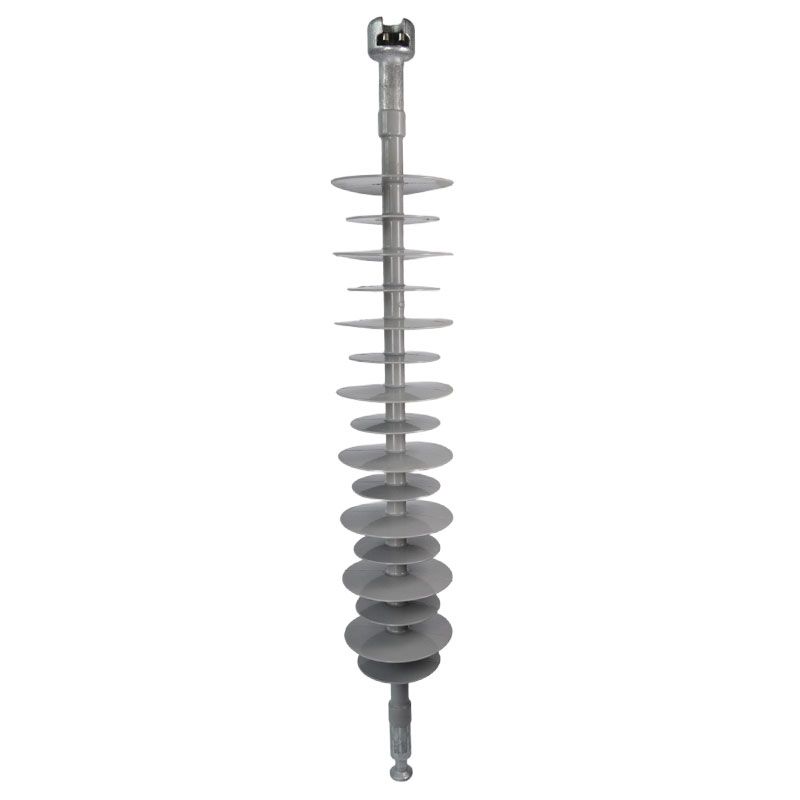
Do polymeric insulators meet international standards?
Polymeric insulators are electrical insulation devices made from silicone rubber, EPDM, or other high-performance polymers, designed to support and isolate conductors in overhead lines and substations. In practical use, a Polymeric Insulator helps utilities and industrial operators reduce outage risk, improve pollution flashover performance, and lower maintenance costs. For businesses, the value
Oct. 09, 2026
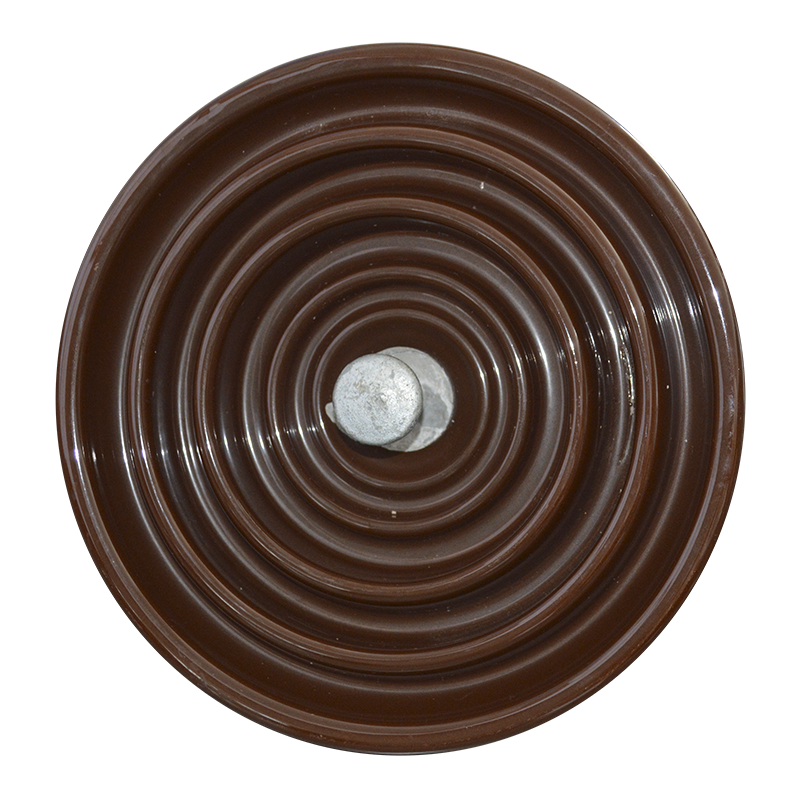
What are the disadvantages of porcelain insulators?
A Porcelain Insulator is a high-strength electrical insulating component made from fired ceramic materials, used to support and isolate conductors in power transmission, substations, rail traction, and distribution networks. In simple terms, it keeps electricity where it should be and helps equipment operate safely. For businesses, this matters because a reliable Ceramic Porcelain Insulator can
Oct. 13, 2026
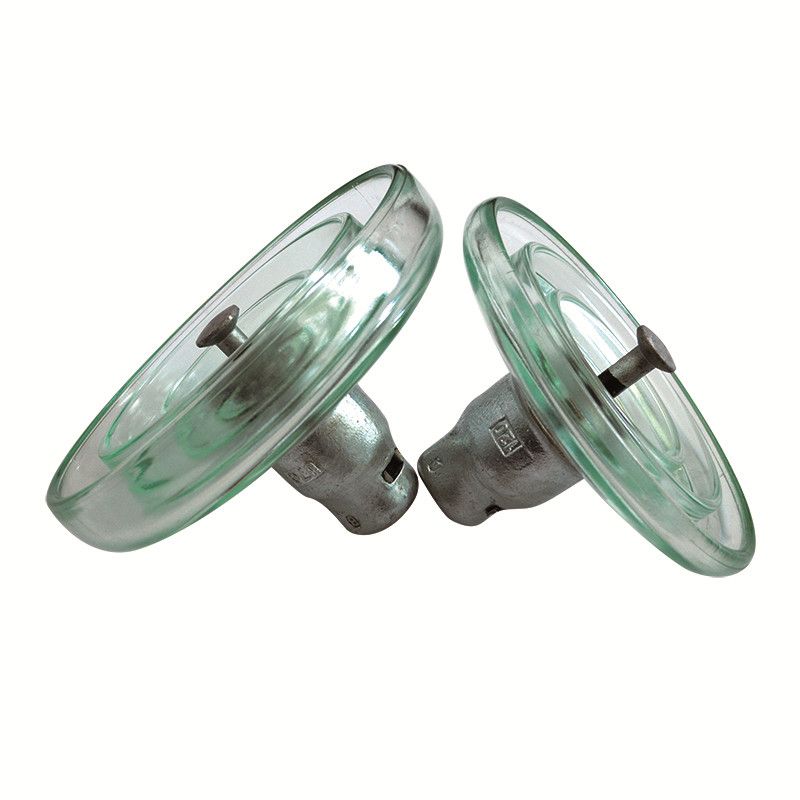
What are the advantages of glass insulators?
Glass power line insulators are key parts of overhead transmission and distribution systems. They keep current where it belongs and help wires stay safely separated from towers and poles. For utilities, this matters because one failed insulator can trigger outage risk, maintenance cost, and service interruption. For project teams and buyers, the real question is not just “what is it?” but
Sep. 04, 2026
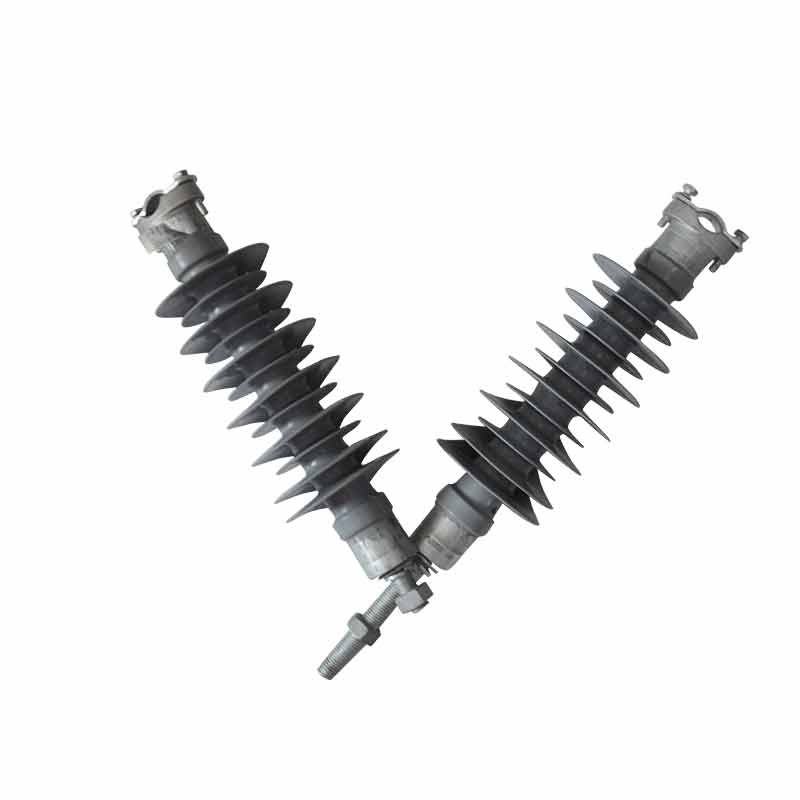
Are polymeric insulators resistant to pollution and salt fog?
A Polymeric Insulator is a lightweight composite insulation device made from a fiberglass core, silicone rubber housing, and metal end fittings. In practical power-grid applications, it is used to support and isolate conductors on transmission and distribution lines while resisting environmental stress such as contamination, moisture, and UV aging. For utilities and EPC contractors, this matters
Sep. 03, 2026
How do glass insulators differ from porcelain and polymeric insulators?
Glass Insulators are widely used in power transmission and distribution networks because they are easy to inspect, cost-effective in many applications, and offer strong long-term performance when selected correctly. If you are comparing Glass Insulators with porcelain and polymeric options, the real question is not only material difference, but als
Sep. 02, 2026
What materials are used in polymeric insulators?
The Composite polymer insulator has become an important part of modern power transmission and distribution systems. As grids move toward higher voltage levels and harsher outdoor environments, utilities need insulation that is lighter, safer, and easier to maintain. A polymeric insulator helps solve real field problems such as flashover in pollution, broken porcelain caused by impact, and high
Sep. 01, 2026

The principle of zinc oxide arrester
The core component is a zinc oxide (ZnO) resistor varistor, whose internal grains exhibit nonlinear volt-ampere characteristics:
Aug. 14, 2026