Feb. 13, 2026
In the ever-evolving electrical industry, the significance of Ceramic Porcelain Insulators cannot be overstated. These components play a crucial role in ensuring efficient power transmission and protecting critical infrastructure from environmental and electrical stress. With applications that span utility poles, substations, and railway systems, manufacturers and engineers alike have increasingly relied on porcelain insulators. This article will explore the characteristics of porcelain insulators, their industry relevance, and their advantages, all while addressing common user concerns related to their functionality and reliability.
Ceramic Porcelain Insulators, often referred to simply as porcelain insulators, are crafted from high-quality ceramic materials that provide excellent electrical insulation. These insulators function by preventing the unwanted flow of electrical current between conductors or between a conductor and a ground. The use of porcelain as a primary material offers several advantages:
High dielectric strength: Porcelain typically has a dielectric strength of around 15 to 30 kV/mm, making it capable of withstanding high voltage applications without breaking down.
Durability: Porcelain is highly resistant to weather conditions, chemicals, and mechanical stress, exhibiting a lifespan of over 30 years in several applications.
Low water absorption: With a water absorption rate of less than 0.5%, porcelain insulators maintain their performance even in humid environments, preventing degradation over time.
The versatility of porcelain insulators means they can be found in various applications, which include:
Power Transmission and Distribution: Used on utility poles to support overhead lines, ensuring safety and reliability for electricity transmission.
Railway Signaling: Assisting in signaling and communication systems to ensure safe train operations.
Telecommunications: Serving as insulators for antennas and communication lines, maintaining signal integrity.
Industrial Equipment: Commonly utilized in factories where electrical components require insulation to protect both equipment and personnel.
Numerous advantages make Ceramic Porcelain Insulators a critical choice in electrical applications:
Cost Efficiency: While the initial investment may be higher than other materials, the long lifespan and maintenance-free qualities result in significant long-term savings.
Environmental Resistance: Porcelain insulators can withstand extreme weather conditions, such as high winds, ice, and fluctuations in temperature, ensuring stable performance and safety.
Fire Resistance: Being ceramic-based, porcelain insulators do not burn and are inherently fire-resistant, making them safer in applications where fire hazards exist.
These advantages are backed by extensive research, such as a report from IEEE which emphasizes the reliability of porcelain materials in harsh environments, citing failure rates of less than 1% over decades of usage.
To make the most of Ceramic Porcelain Insulators, users are encouraged to refer to user guides provided by manufacturers and vendors. It's also advisable to consult with qualified engineers to determine the best type of ceramic insulator suitable for specific applications. For quality products, consider ZheXi, a trusted name in the porcelain insulator industry.
Ceramic insulators generally have superior mechanical strength and resistance to UV radiation compared to glass, although glass insulators may be lighter and easier to inspect.
While porcelain insulators require minimal maintenance, periodic inspections for physical damage and cleaning to remove contaminants can help maintain their effectiveness.
In many applications, porcelain insulators can last over 30 years, provided they are appropriately installed and maintained.
Understanding the role of Ceramic Porcelain Insulators, their applications, and benefits is essential for anyone involved in electrical engineering or utility management. By leveraging the information provided in this article and exploring brands like ZheXi, users can enhance the reliability and performance of their electrical systems. For further insights, consider exploring user manuals and technical guides specific to your application needs.
Latest News
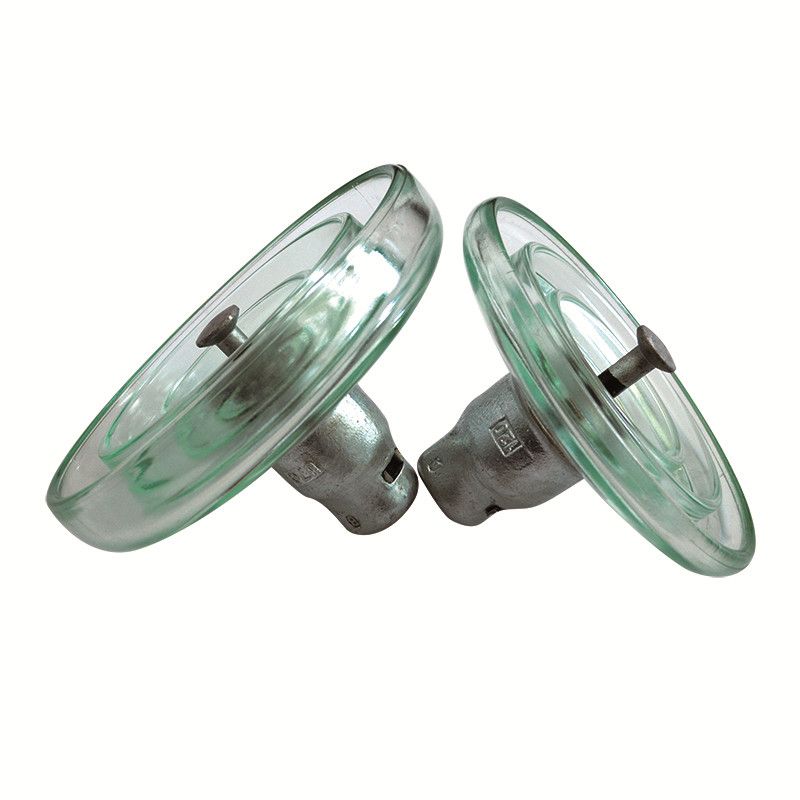
What are the advantages of glass insulators?
Glass power line insulators are key parts of overhead transmission and distribution systems. They keep current where it belongs and help wires stay safely separated from towers and poles. For utilities, this matters because one failed insulator can trigger outage risk, maintenance cost, and service interruption. For project teams and buyers, the real question is not just “what is it?” but
Sep. 04, 2026
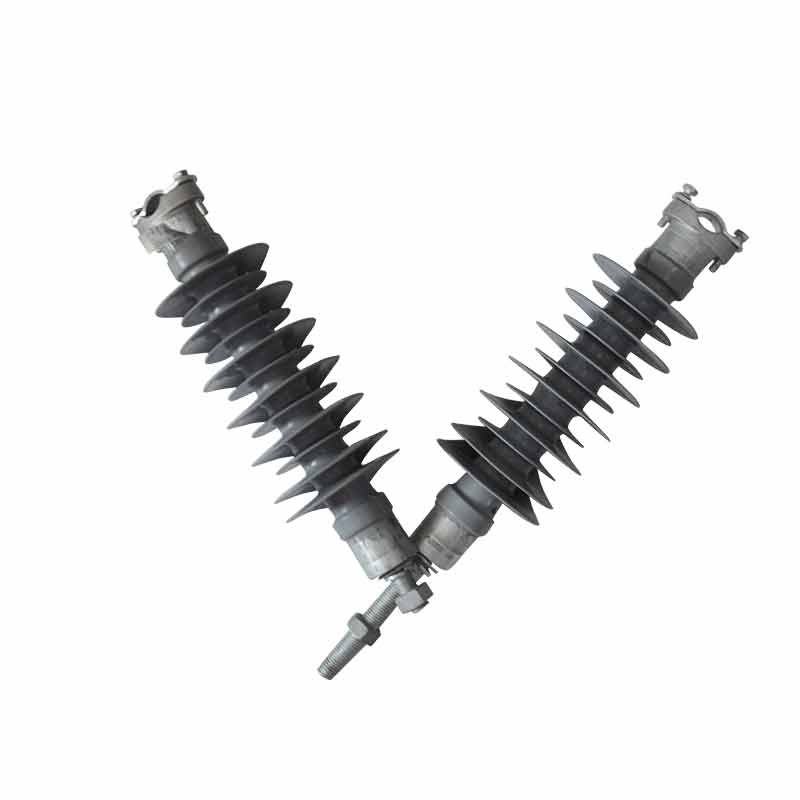
Are polymeric insulators resistant to pollution and salt fog?
A Polymeric Insulator is a lightweight composite insulation device made from a fiberglass core, silicone rubber housing, and metal end fittings. In practical power-grid applications, it is used to support and isolate conductors on transmission and distribution lines while resisting environmental stress such as contamination, moisture, and UV aging. For utilities and EPC contractors, this matters
Sep. 03, 2026
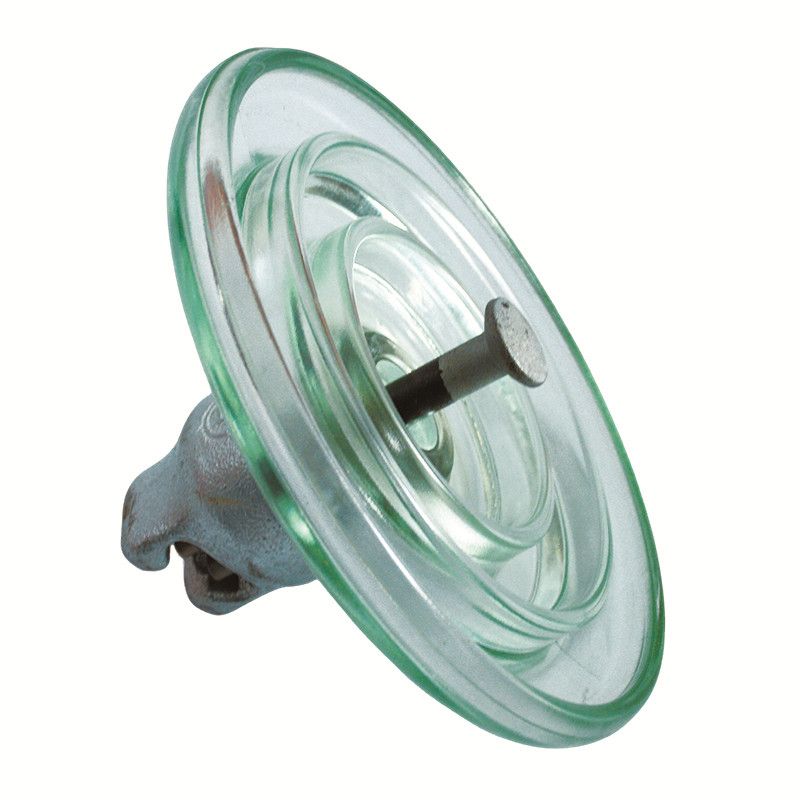
How do glass insulators differ from porcelain and polymeric insulators?
Glass Insulators are widely used in power transmission and distribution networks because they are easy to inspect, cost-effective in many applications, and offer strong long-term performance when selected correctly. If you are comparing Glass Insulators with porcelain and polymeric options, the real question is not only material difference, but als
Sep. 02, 2026
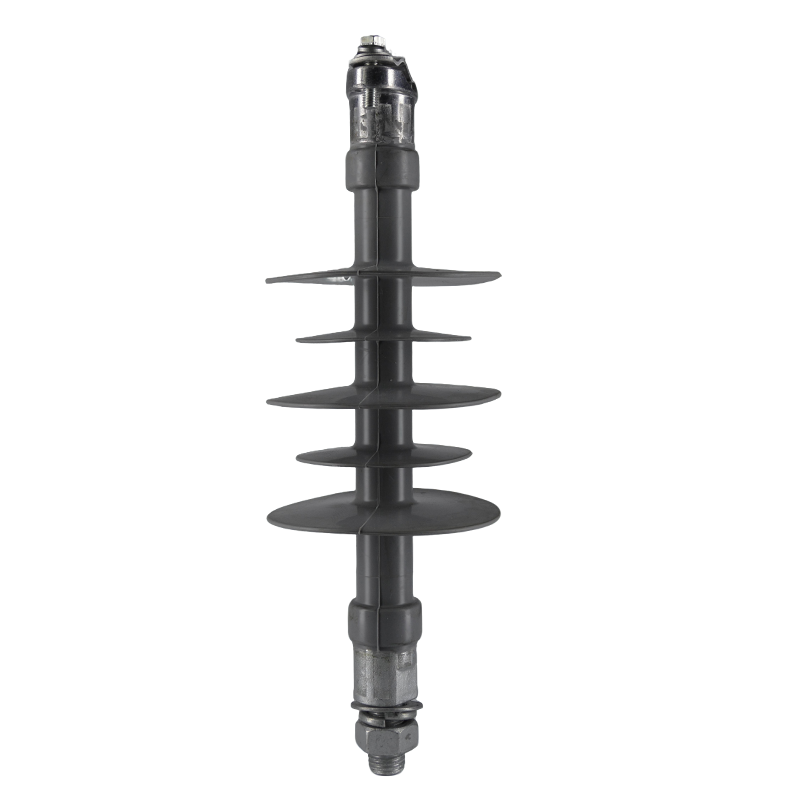
What materials are used in polymeric insulators?
The Composite polymer insulator has become an important part of modern power transmission and distribution systems. As grids move toward higher voltage levels and harsher outdoor environments, utilities need insulation that is lighter, safer, and easier to maintain. A polymeric insulator helps solve real field problems such as flashover in pollution, broken porcelain caused by impact, and high
Sep. 01, 2026

The principle of zinc oxide arrester
The core component is a zinc oxide (ZnO) resistor varistor, whose internal grains exhibit nonlinear volt-ampere characteristics:
Aug. 14, 2026

What are the advantages of porcelain insulators?
Ceramic Porcelain Insulator is a core part of modern power transmission and distribution systems. It helps lines stay safe, stable, and insulated under rain, dust, heat, and mechanical stress. In today’s grid, the need for a reliable porcelain insulator for power lines, a high voltage ceramic porcelain insulator, and a durable electrical porcelai
Aug. 07, 2026

Why are glass insulators used in power lines?
When a transmission line fails, the root cause is often not the conductor itself but the insulation system supporting it. A single flashover, contamination track, or mechanical crack in an insulator string can trigger an outage that cascades across feeders, increases outage minutes, and forces utilities into costly emergency dispatches. That is why
Aug. 06, 2026
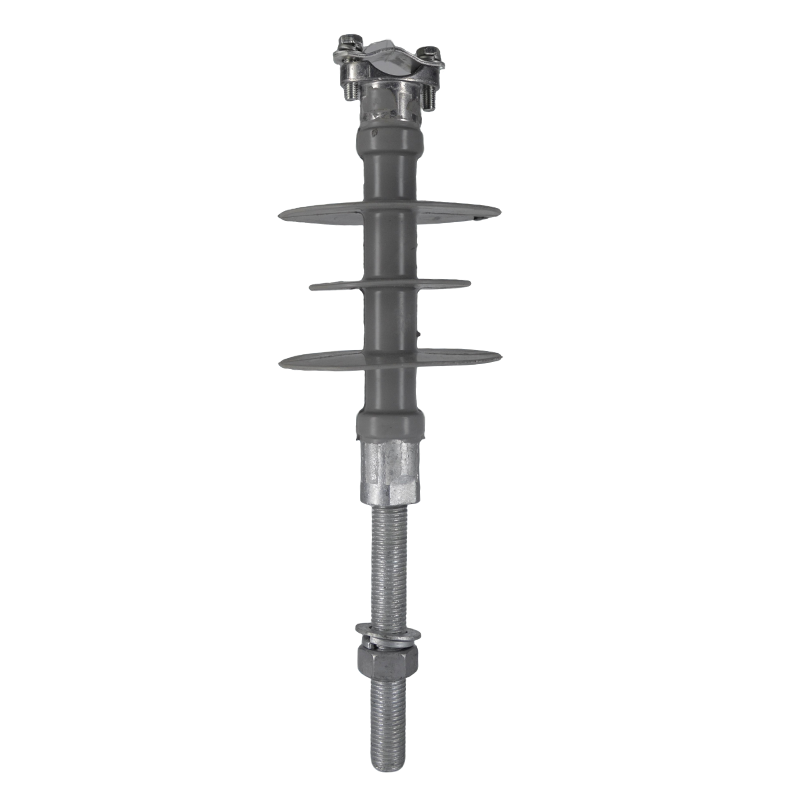
What are the main advantages of polymeric insulators?
Composite polymer insulator technology has become important in modern power grids because it helps utilities reduce outages, improve safety, and cut maintenance time. In the first 100 words, one thing is clear: Composite polymer insulator products solve real problems for lines that face pollution, salt fog, rain, and heavy vibration. For readers searching for polymeric insulator benefits,
Aug. 05, 2026
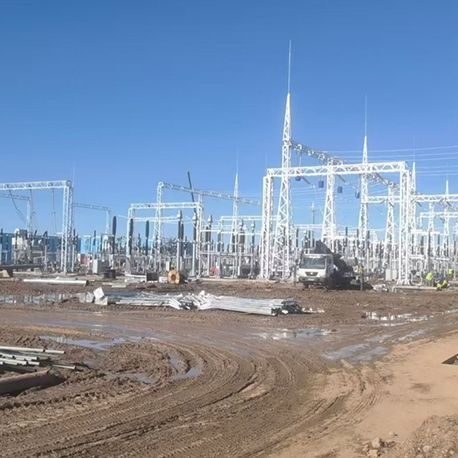
What standards do porcelain insulators comply with?
A porcelain insulator is an electrical insulation component made from high-strength ceramic material that prevents current leakage and supports conductors in power systems. In real projects, it is used on transmission lines, substations, rail electrification, and distribution networks to maintain insulation integrity, mechanical support, and long-term operational safety. For utilities and EPC
Aug. 04, 2026
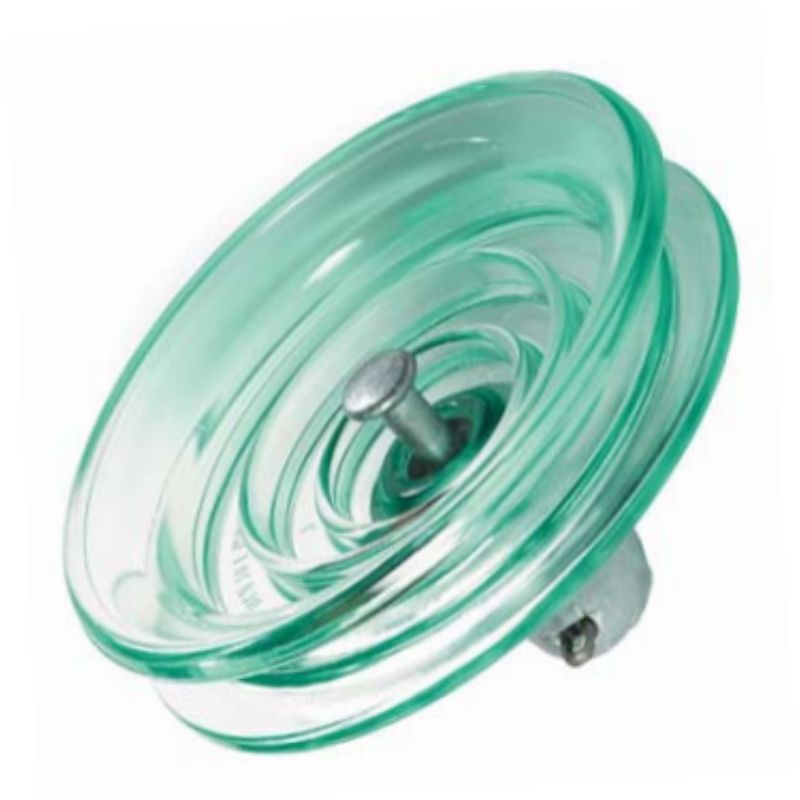
What materials are used in glass insulators?
Glass power line insulators are a key part of modern overhead power systems. They keep high-voltage conductors safely separated from towers and poles, so electricity can travel long distances without leakage or short circuits. In simple terms, they help power lines stay stable, safe, and efficient.
Jul. 29, 2026