Nov. 21, 2025
In the realm of electrical engineering, glass power line insulators play a pivotal role. These components ensure safe and efficient electrical transmission, acting as a barrier that protects both utilities and the environment. With energy demands growing and infrastructure aging, the emergence of glass insulators has transformed how we approach power lines, offering solutions to challenges such as climate resilience and material degradation. For utilities, the need for reliable glass insulators has never been more critical. Current data from the International Energy Agency indicates that electrical demand is projected to rise by 25% by 2040. This increase heightens the necessity for durable and efficient insulator materials that can withstand severe weather conditions.
Glass insulators are specialized components made primarily from high-intensity glass that provides electrical insulation for power lines. They are designed to prevent the current from flowing to the ground, ensuring the integrity of the electrical system. A common industry term associated with glass insulators is "dielectric strength," which refers to the ability of an insulating material to withstand electric stress without breaking down. This property is crucial, as studies show that glass insulators can maintain dielectric strengths of over 20 kV per millimeter, making them highly efficient in safeguarding electrical systems.
Glass insulators are used in various fields, primarily within the electrical utility industry. Here are some prominent applications:
Transmission Lines: Glass insulators are commonly utilized in high-voltage transmission lines due to their ability to withstand extreme weather conditions, including high winds and ice.
Distribution Networks: They ensure safe distribution of electricity in urban and rural areas, preventing electrical faults that could result from environmental factors.
Railways: In electrified railway systems, glass insulators provide critical support for overhead power lines while minimizing the risk of electrical failures.
Telecommunication: Glass insulators are also used in some telecommunication networks where they stabilize the overhead wiring systems.
By integrating these insulators into power systems, utilities benefit from increased reliability and reduced maintenance costs.
Several advantages make glass insulators significant in modern electrical applications:
Durability: Glass insulators can exhibit a lifespan of over 30 years when properly maintained, reducing the need for frequent replacements.
Resistance to Weathering: Unlike porcelain, glass insulators have a lower tendency to deteriorate under ultraviolet light exposure and harsh environmental conditions, showcasing a 50% reduction in failure rates during severe weather.
High Transparency: The transparency of glass allows for easier visual inspections, enabling utilities to identify potential defects early, with studies suggesting a 40% reduction in inspection times.
Environmentally Friendly: Glass is recyclable, meaning that end-of-life insulators can be repurposed, contributing to sustainable practices within the industry.
For those interested in implementing glass insulators in their projects, reading the user guide provided by manufacturers such as ZheXi can provide valuable insights. The guide includes installation procedures, maintenance best practices, and troubleshooting tips to maximize the benefits of these insulators.
What are the main benefits of using glass insulators? Glass insulators offer high durability, weather resistance, easy inspection, and are environmentally friendly.
Are glass insulators cost-effective? Yes, while upfront costs may be higher than alternatives like porcelain, their longevity and reduced maintenance make them more cost-effective over time.
How often should glass insulators be inspected? Inspections should typically occur annually, or more frequently in areas prone to severe weather.
Is it possible to use glass insulators in locations with high seismic activity? Yes, glass insulators are designed to withstand various environmental stresses, including seismic activity.
In conclusion, glass insulators represent a significant advancement in electrical insulation technology, addressing key challenges within the industry. Their applications in various fields, combined with impressive advantages like durability and environmental sustainability, make them a vital component in today's electrical systems. If you're considering glass insulators for your project, explore further about ZheXi products and join the shift towards more resilient energy infrastructure.
Latest News
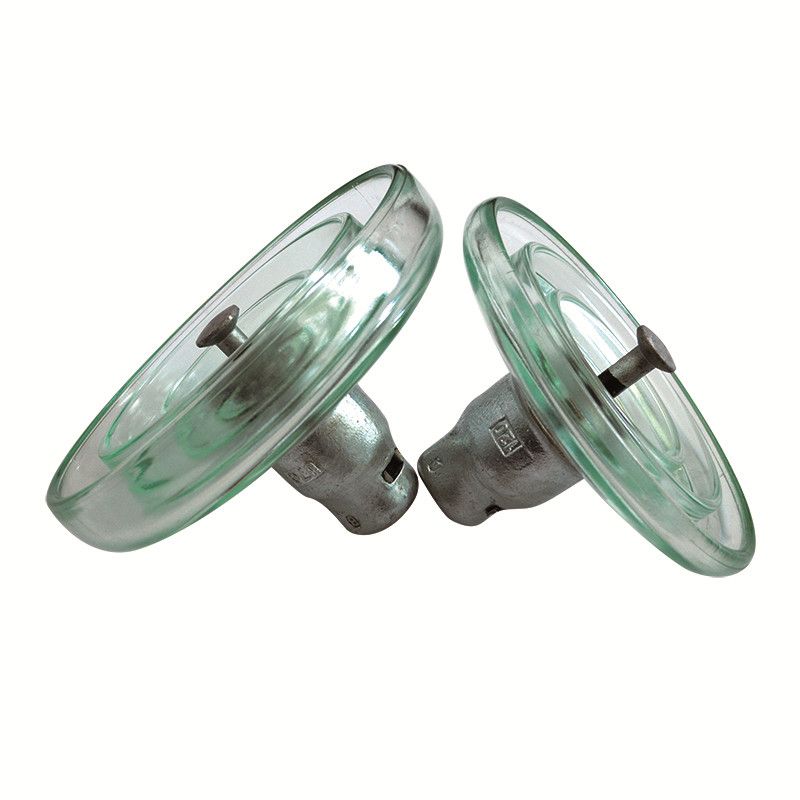
What are the advantages of glass insulators?
Glass power line insulators are key parts of overhead transmission and distribution systems. They keep current where it belongs and help wires stay safely separated from towers and poles. For utilities, this matters because one failed insulator can trigger outage risk, maintenance cost, and service interruption. For project teams and buyers, the real question is not just “what is it?” but
Sep. 04, 2026
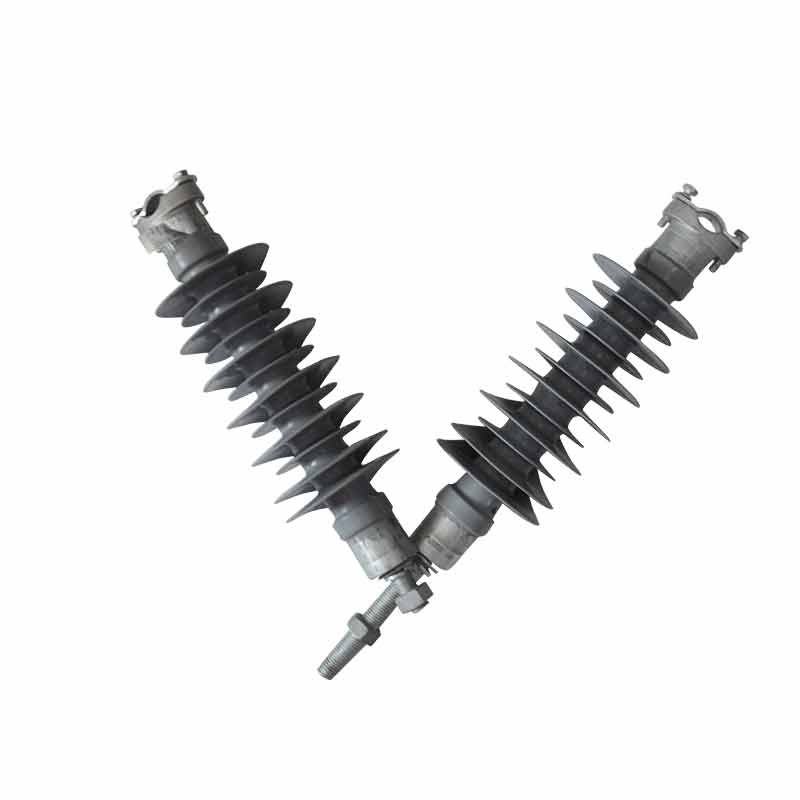
Are polymeric insulators resistant to pollution and salt fog?
A Polymeric Insulator is a lightweight composite insulation device made from a fiberglass core, silicone rubber housing, and metal end fittings. In practical power-grid applications, it is used to support and isolate conductors on transmission and distribution lines while resisting environmental stress such as contamination, moisture, and UV aging. For utilities and EPC contractors, this matters
Sep. 03, 2026
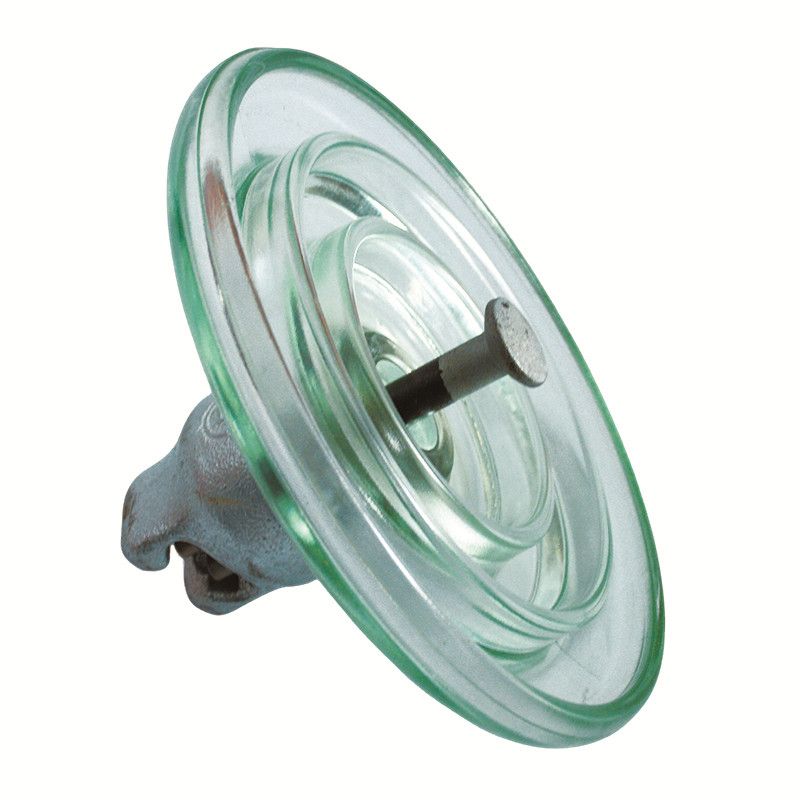
How do glass insulators differ from porcelain and polymeric insulators?
Glass Insulators are widely used in power transmission and distribution networks because they are easy to inspect, cost-effective in many applications, and offer strong long-term performance when selected correctly. If you are comparing Glass Insulators with porcelain and polymeric options, the real question is not only material difference, but als
Sep. 02, 2026
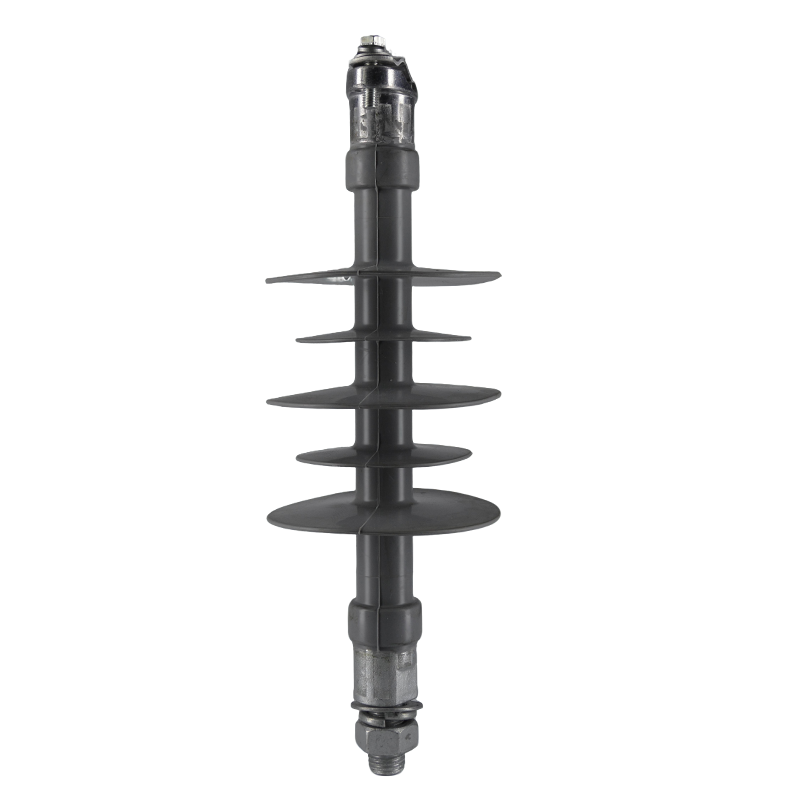
What materials are used in polymeric insulators?
The Composite polymer insulator has become an important part of modern power transmission and distribution systems. As grids move toward higher voltage levels and harsher outdoor environments, utilities need insulation that is lighter, safer, and easier to maintain. A polymeric insulator helps solve real field problems such as flashover in pollution, broken porcelain caused by impact, and high
Sep. 01, 2026

The principle of zinc oxide arrester
The core component is a zinc oxide (ZnO) resistor varistor, whose internal grains exhibit nonlinear volt-ampere characteristics:
Aug. 14, 2026

What are the advantages of porcelain insulators?
Ceramic Porcelain Insulator is a core part of modern power transmission and distribution systems. It helps lines stay safe, stable, and insulated under rain, dust, heat, and mechanical stress. In today’s grid, the need for a reliable porcelain insulator for power lines, a high voltage ceramic porcelain insulator, and a durable electrical porcelai
Aug. 07, 2026

Why are glass insulators used in power lines?
When a transmission line fails, the root cause is often not the conductor itself but the insulation system supporting it. A single flashover, contamination track, or mechanical crack in an insulator string can trigger an outage that cascades across feeders, increases outage minutes, and forces utilities into costly emergency dispatches. That is why
Aug. 06, 2026
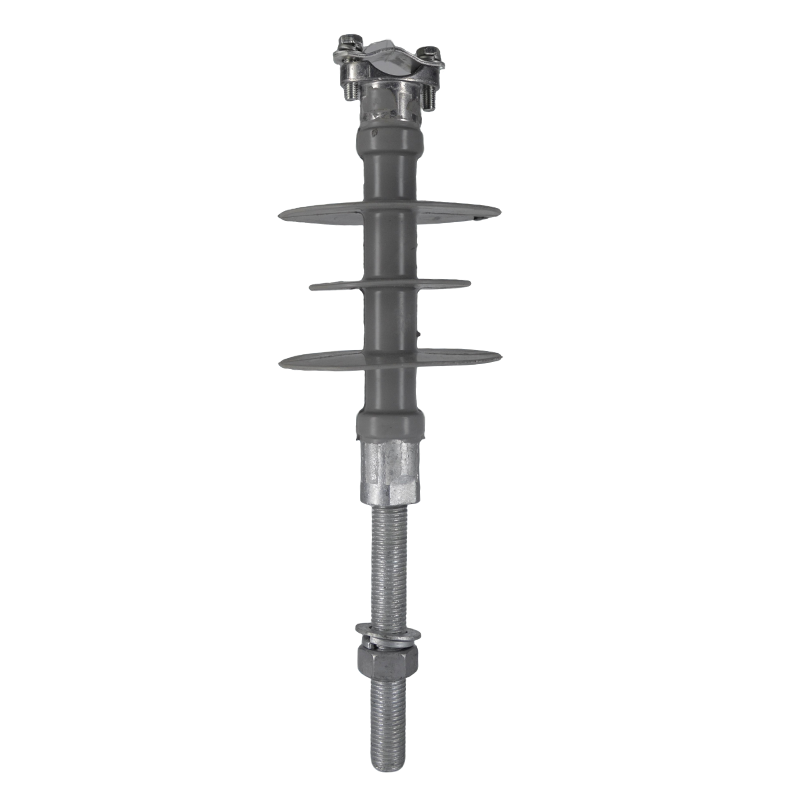
What are the main advantages of polymeric insulators?
Composite polymer insulator technology has become important in modern power grids because it helps utilities reduce outages, improve safety, and cut maintenance time. In the first 100 words, one thing is clear: Composite polymer insulator products solve real problems for lines that face pollution, salt fog, rain, and heavy vibration. For readers searching for polymeric insulator benefits,
Aug. 05, 2026
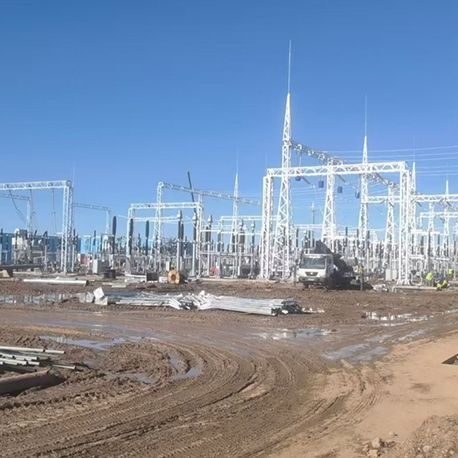
What standards do porcelain insulators comply with?
A porcelain insulator is an electrical insulation component made from high-strength ceramic material that prevents current leakage and supports conductors in power systems. In real projects, it is used on transmission lines, substations, rail electrification, and distribution networks to maintain insulation integrity, mechanical support, and long-term operational safety. For utilities and EPC
Aug. 04, 2026
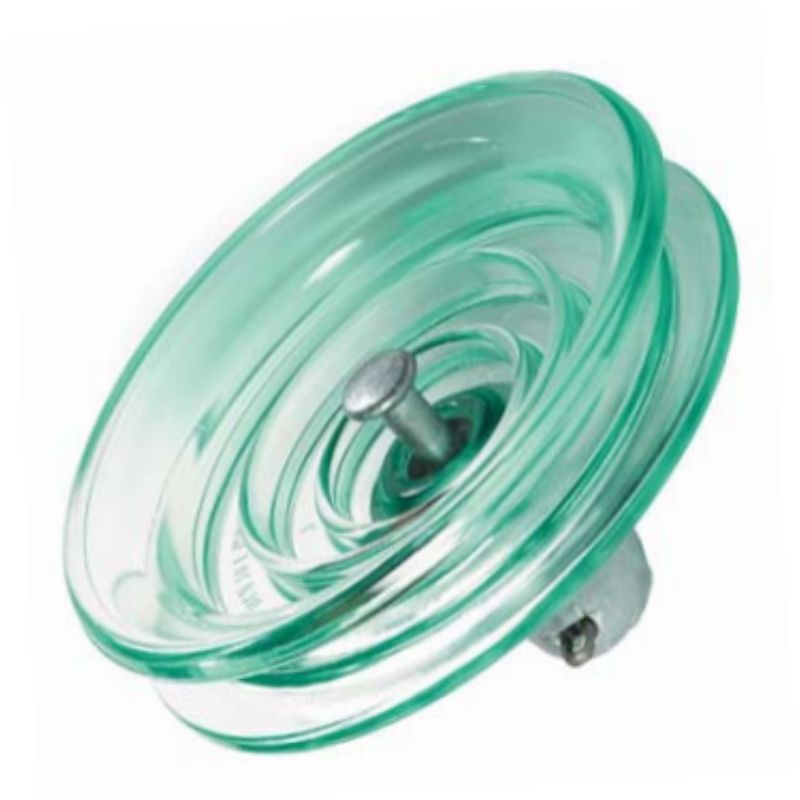
What materials are used in glass insulators?
Glass power line insulators are a key part of modern overhead power systems. They keep high-voltage conductors safely separated from towers and poles, so electricity can travel long distances without leakage or short circuits. In simple terms, they help power lines stay stable, safe, and efficient.
Jul. 29, 2026