May. 21, 2026
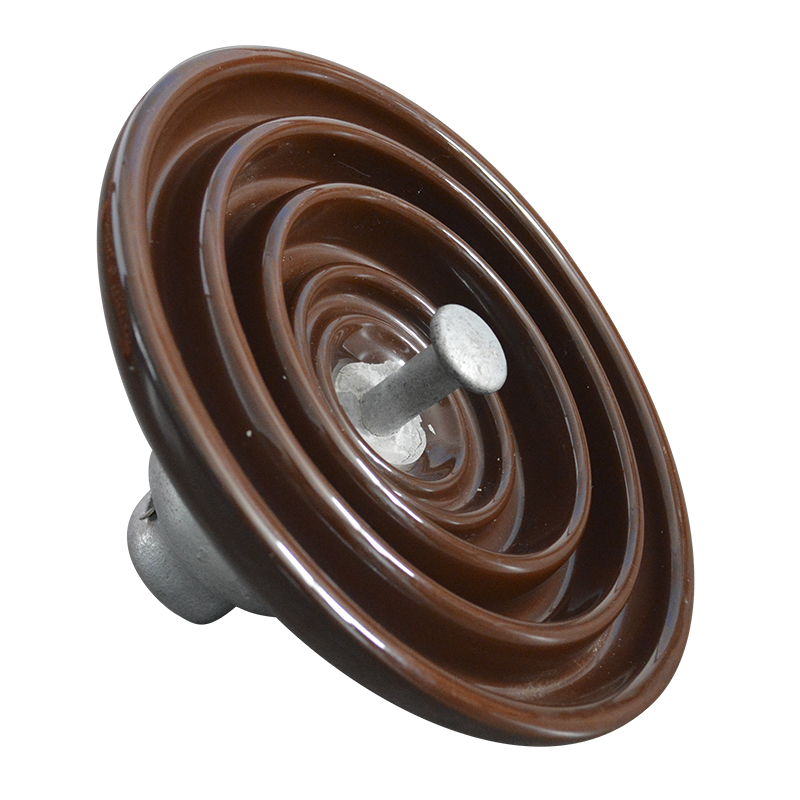
Porcelain insulators play a vital role in the electrical industry by ensuring the safe and reliable transmission of electric power. These insulating components, made primarily from ceramic materials, help prevent electrical leakage, ensuring that electricity travels efficiently along power lines. Their resilience to environmental factors and high-temperature resistance makes porcelain insulators invaluable for both overhead and underground applications. Industries utilizing these insulators benefit from increased operational uptime and reduced maintenance costs, making them essential for businesses dependent on electrical infrastructure.
The history of porcelain insulators dates back to the late 19th century, when advancements in materials allowed for better performance in electrical applications. Early insulators were made from glass or wood, but the introduction of high-fired ceramics facilitated the development of stronger and more durable designs. Today, porcelain is the standard for high-voltage applications due to its excellent dielectric properties, mechanical strength, and resistance to corrosion. Notably, the global porcelain insulator market was valued at approximately $3 billion in 2020, reflecting the increasing demand for reliable electrical insulation solutions across various industries.
Porcelain insulators find extensive practical applications in multiple sectors, including power generation, telecommunications, and railway systems. In power transmission, these insulators support conductors by preventing electrical short circuits, especially in high-voltage environments. Their ability to withstand extreme weather conditions makes them ideal for outdoor installations, where they must endure rain, snow, and temperature fluctuations. In recent years, advancements in manufacturing techniques have allowed for unswerving quality, with precision tolerances maintained to within 0.01mm. For instance, ZheXi Electric Power conducts a rigorous 100% inspection on their ceramic porcelain insulators, ensuring adherence to industry standards like ASTM and IEC.
Despite their critical role, several misconceptions about porcelain insulators persist. One prevalent error is the assumption that all insulators are interchangeable; however, different types of porcelain insulators, such as pin, suspension, and strain insulators, serve distinct functions within electrical networks. Pin insulators are typically used in low-voltage applications, while suspension insulators are designed for high-voltage power lines. Strain insulators, on the other hand, are crucial in providing support where there is tension in the line. This distinction is integral to maintaining the functionality and safety of electrical systems.
To illustrate their importance, consider a case study involving a major utility company that upgraded its aging infrastructure with ZheXi's high-performance ceramic porcelain insulators. By switching to these specialized components, the utility reported a 25% reduction in maintenance-related outages over the course of a year, a direct result of improved reliability and longevity in their power transmission lines. This switch not only enhanced network performance but also significantly decreased operational costs, highlighting the economic advantage of selecting high-quality porcelain insulators.
In summary, the various types of porcelain insulators, including pin, suspension, and strain designs, are essential components in ensuring the reliable transport of electricity. Their historical significance and modern applications underline their value in today’s infrastructure. Businesses investing in high-quality ceramic porcelain insulators, such as those from ZheXi Electric Power, can expect improved efficiency and reduced maintenance costs. If you’re looking to enhance your electrical systems, explore the range of porcelain insulators available at ZheXi Electric Power and take the first step towards a more reliable power transmission solution.
Latest News
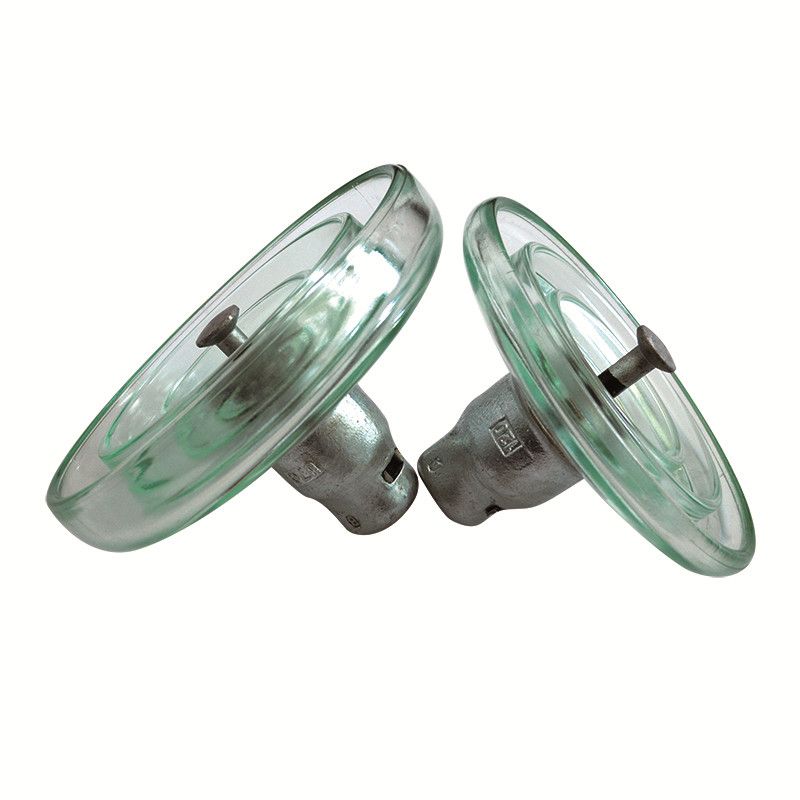
What are the advantages of glass insulators?
Glass power line insulators are key parts of overhead transmission and distribution systems. They keep current where it belongs and help wires stay safely separated from towers and poles. For utilities, this matters because one failed insulator can trigger outage risk, maintenance cost, and service interruption. For project teams and buyers, the real question is not just “what is it?” but
Sep. 04, 2026
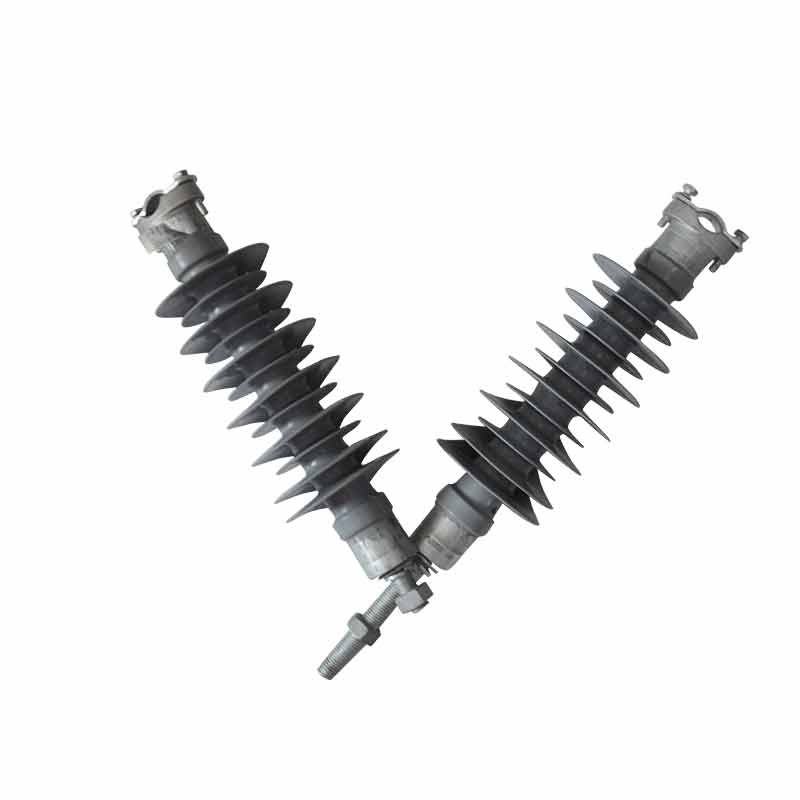
Are polymeric insulators resistant to pollution and salt fog?
A Polymeric Insulator is a lightweight composite insulation device made from a fiberglass core, silicone rubber housing, and metal end fittings. In practical power-grid applications, it is used to support and isolate conductors on transmission and distribution lines while resisting environmental stress such as contamination, moisture, and UV aging. For utilities and EPC contractors, this matters
Sep. 03, 2026
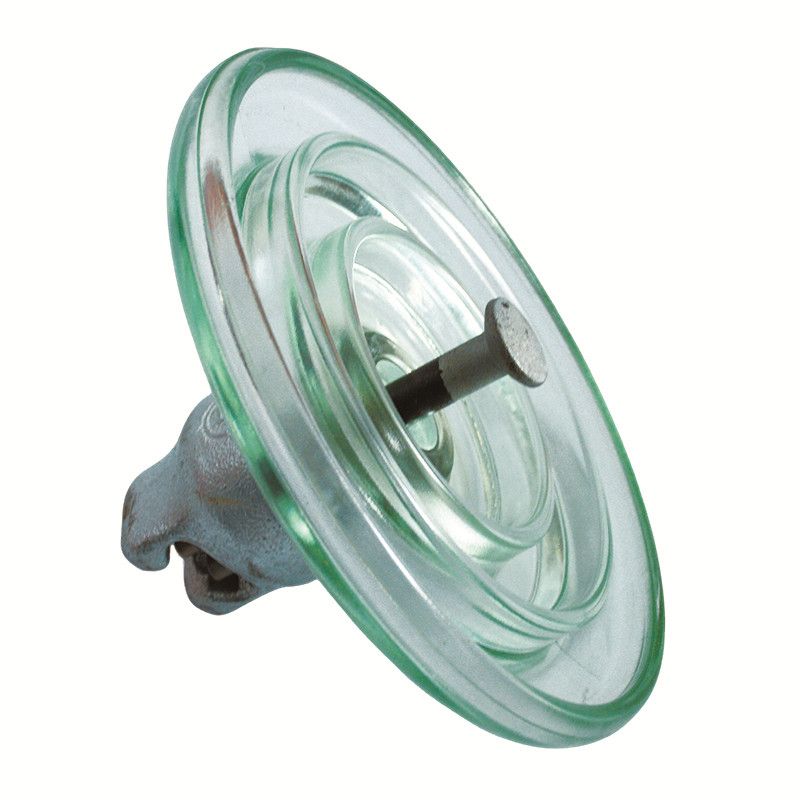
How do glass insulators differ from porcelain and polymeric insulators?
Glass Insulators are widely used in power transmission and distribution networks because they are easy to inspect, cost-effective in many applications, and offer strong long-term performance when selected correctly. If you are comparing Glass Insulators with porcelain and polymeric options, the real question is not only material difference, but als
Sep. 02, 2026
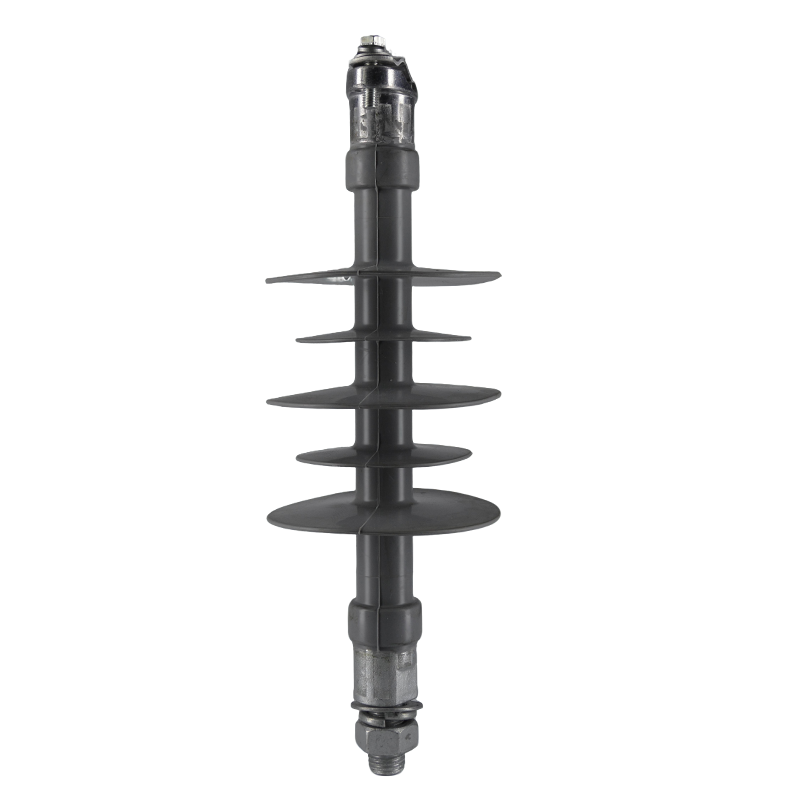
What materials are used in polymeric insulators?
The Composite polymer insulator has become an important part of modern power transmission and distribution systems. As grids move toward higher voltage levels and harsher outdoor environments, utilities need insulation that is lighter, safer, and easier to maintain. A polymeric insulator helps solve real field problems such as flashover in pollution, broken porcelain caused by impact, and high
Sep. 01, 2026

The principle of zinc oxide arrester
The core component is a zinc oxide (ZnO) resistor varistor, whose internal grains exhibit nonlinear volt-ampere characteristics:
Aug. 14, 2026

What are the advantages of porcelain insulators?
Ceramic Porcelain Insulator is a core part of modern power transmission and distribution systems. It helps lines stay safe, stable, and insulated under rain, dust, heat, and mechanical stress. In today’s grid, the need for a reliable porcelain insulator for power lines, a high voltage ceramic porcelain insulator, and a durable electrical porcelai
Aug. 07, 2026

Why are glass insulators used in power lines?
When a transmission line fails, the root cause is often not the conductor itself but the insulation system supporting it. A single flashover, contamination track, or mechanical crack in an insulator string can trigger an outage that cascades across feeders, increases outage minutes, and forces utilities into costly emergency dispatches. That is why
Aug. 06, 2026
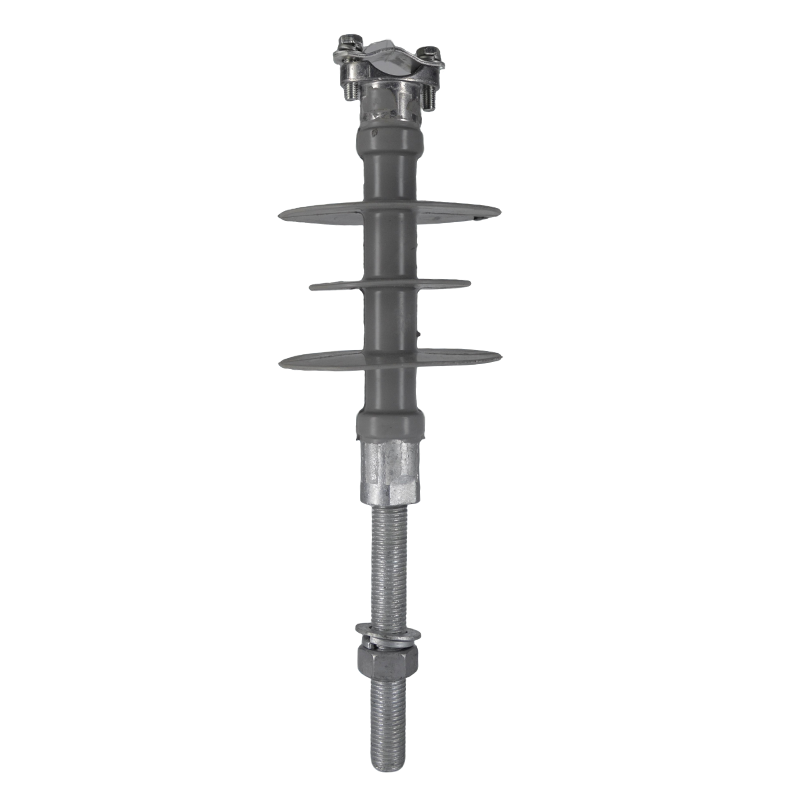
What are the main advantages of polymeric insulators?
Composite polymer insulator technology has become important in modern power grids because it helps utilities reduce outages, improve safety, and cut maintenance time. In the first 100 words, one thing is clear: Composite polymer insulator products solve real problems for lines that face pollution, salt fog, rain, and heavy vibration. For readers searching for polymeric insulator benefits,
Aug. 05, 2026
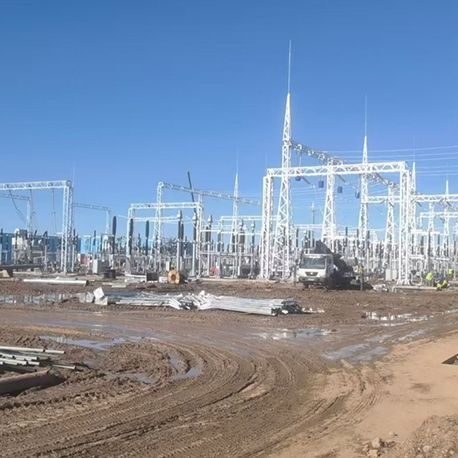
What standards do porcelain insulators comply with?
A porcelain insulator is an electrical insulation component made from high-strength ceramic material that prevents current leakage and supports conductors in power systems. In real projects, it is used on transmission lines, substations, rail electrification, and distribution networks to maintain insulation integrity, mechanical support, and long-term operational safety. For utilities and EPC
Aug. 04, 2026
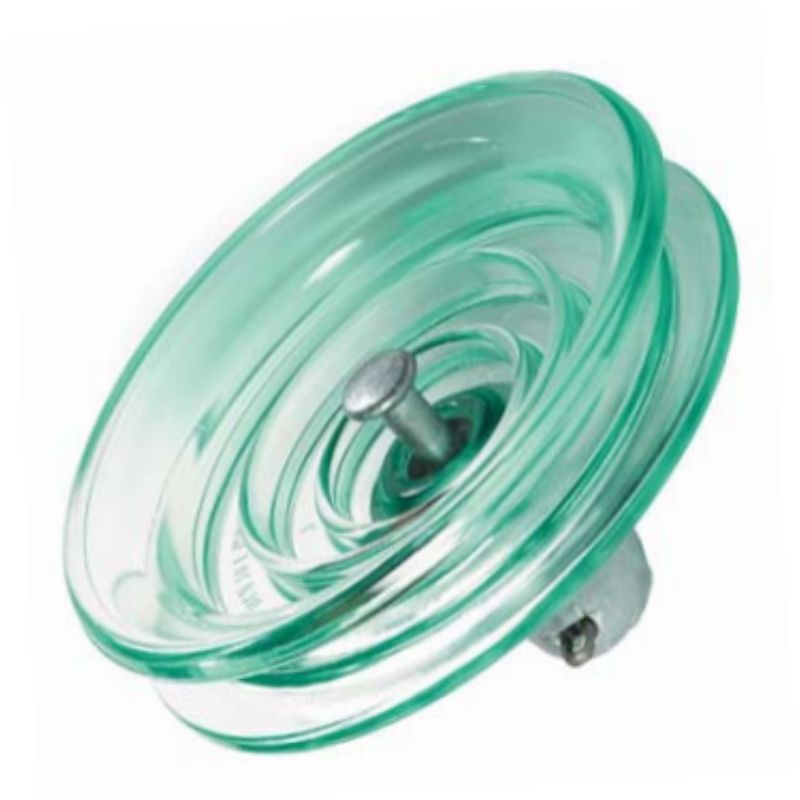
What materials are used in glass insulators?
Glass power line insulators are a key part of modern overhead power systems. They keep high-voltage conductors safely separated from towers and poles, so electricity can travel long distances without leakage or short circuits. In simple terms, they help power lines stay stable, safe, and efficient.
Jul. 29, 2026