Aug. 05, 2026
Composite polymer insulator technology has become important in modern power grids because it helps utilities reduce outages, improve safety, and cut maintenance time. In the first 100 words, one thing is clear: Composite polymer insulator products solve real problems for lines that face pollution, salt fog, rain, and heavy vibration. For readers searching for Polymeric Insulator benefits, composite polymer insulator performance, or how polymeric insulators improve grid reliability, this guide explains the full process in simple English. It also helps buyers understand what are the main advantages of polymeric insulators in real projects, not just in product brochures.
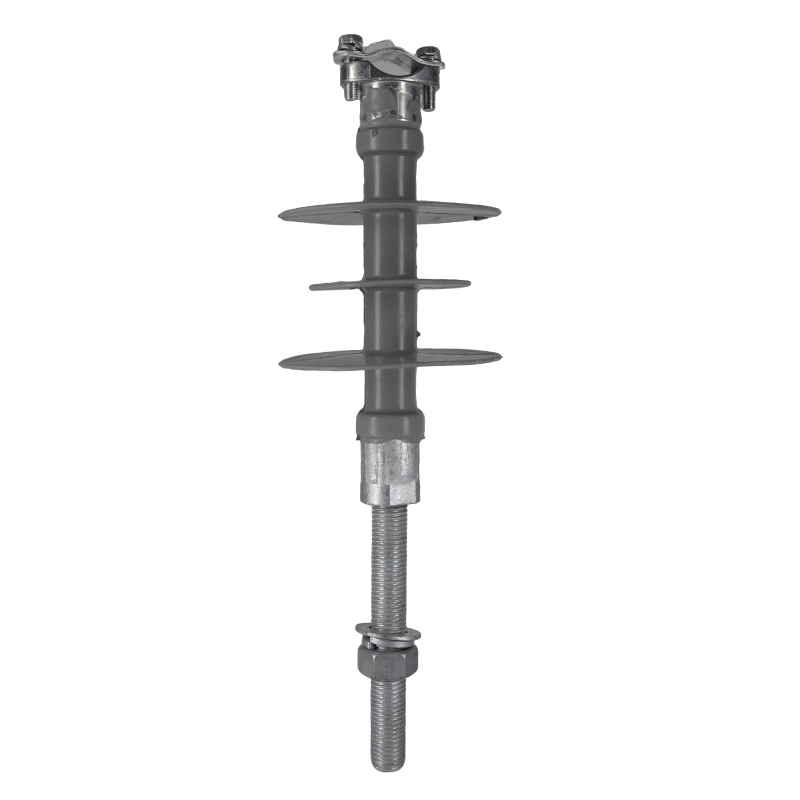
A composite polymer insulator is an insulating device used in power systems to support conductors and prevent electrical leakage. It usually has three main parts:
In industry language, this is often called a polymeric insulator, composite insulator, or silicone rubber insulator depending on the material and structure.
A composite polymer insulator is a lighter, stronger, and more pollution-resistant alternative to many traditional porcelain insulators.
Authoritative technical sources such as IEC 61109 and IEEE guides on composite insulators describe how polymer housings improve performance in wet and dirty environments because the surface can maintain better hydrophobicity. Hydrophobicity means water forms beads instead of a continuous film, which lowers surface leakage current.
The old problem in transmission and distribution is not only voltage. It is also the environment.
Porcelain and glass insulators can work well, but in some places they face:
These conditions can create surface flashover. Flashover happens when electricity travels across the surface of the insulator instead of staying isolated.
For utility teams, every flashover can mean:
According to industry reports from utilities and research organizations, pollution-related outages remain a major reason for unscheduled maintenance on overhead lines in coastal and industrial areas. That is why polymeric insulator solutions are widely used today in new grid projects.
Composite polymer insulators are much lighter than porcelain units of the same rating.
In many practical projects, a polymer insulator can weigh 50% to 80% less than a comparable porcelain insulator. This does not just sound good. It changes the job site:
For line crews, that can mean fewer man-hours per stringing task.
The silicone rubber housing has natural hydrophobic properties. In simple words, it resists water film formation.
This matters because a dry, beaded surface reduces leakage current. In polluted or wet environments, that can lower flashover risk. Research commonly shows that silicone rubber surfaces can recover hydrophobicity after contamination, which is one reason they are preferred in coastal and industrial zones.
Composite polymer insulators are built with fiberglass core rods that provide high tensile strength.
Depending on model and design, many composite insulators can withstand tens of kilonewtons to more than 100 kN of mechanical load. That helps them work in:
Unlike glass or porcelain, polymer housings do not shatter the same way.
That gives them an advantage where:
This can reduce replacement cycles and emergency callouts.
In the field, the total cost matters more than the purchase price alone.
A utility may save money because polymeric insulators often reduce:
A lifecycle cost study is usually more useful than a simple unit-price comparison.
Silicone rubber sheds help increase creepage distance, which is the path electricity would try to travel across the surface.
A longer creepage distance can improve performance in contamination zones. Many designs are engineered for different pollution severities according to IEC and utility standards.
To understand the function, think of it as three layers working together.
The fiberglass core gives the insulator its tensile strength.
The housing protects the core from weather and contamination. It also improves surface behavior in rain and fog.
The end fittings connect the insulator to the line hardware and tower structure.
The composite polymer insulator blocks current flow along the outside surface while carrying mechanical load between conductor and tower.
This is important in overhead lines because the insulator must do two jobs at once:
Polymeric insulator products are used in many parts of the grid.
Used in high-voltage overhead transmission to support conductors and improve pollution resistance.
Useful in urban and rural distribution lines, especially where maintenance access is limited.
Salt fog is one of the most common reasons utilities choose composite polymer insulators.
Factories, cement plants, chemical zones, and mining areas often have heavy contamination.
Lightweight design helps with difficult transportation and installation in remote areas.
Some traction and rail power systems use composite insulators for their environmental resistance and low maintenance needs.
In some station applications, polymeric insulators are used where compact design and contamination resistance are needed.
This is the question buyers ask most often.
A polymer insulator can reduce shipping volume and simplify installation planning.
Utilities may see fewer cleaning cycles in polluted areas because the surface handles wet contamination better.
Lower flashover risk can improve line availability, which is important for industrial users and city grids.
Because composite polymer insulators are lighter, workers may handle them more easily during installation and replacement.
The purchase cost may not always be the lowest, but the life-cycle cost can be better when maintenance and outage cost are included.
To make the discussion more authoritative, here are widely recognized references used in the sector:
These are not marketing words. They are the real metrics engineers use.
Choosing the wrong model can create problems later.
Match the insulator rating to the system voltage and insulation coordination requirements.
Coastal and industrial areas usually need stronger pollution performance and proper creepage distance.
Make sure the tensile rating fits the line design, span length, and wind/ice load.
Look for compliance with relevant IEC, IEEE, or local utility specifications.
Silicone rubber is widely used for its hydrophobic behavior.
Ask about:
A reliable supplier should provide:
Good products are designed for outdoor aging, UV exposure, and thermal cycling. The key is material quality and manufacturing control.
Yes, if the product is poorly made or badly installed. That is why test standards and supplier selection matter.
They are often chosen for difficult weather, but the model must match the site condition.
Usually yes, but they still need inspection. No insulator is “maintenance-free” forever.
If you are comparing suppliers, ZheXi is a brand worth learning about because buyers often look for a balance of quality, testing support, and practical field performance.
When evaluating ZheXi or any supplier, ask for:
If the supplier can show clear technical data, it is easier to judge whether the polymeric insulator fits your project.
The main advantages are lower weight, better pollution resistance, good mechanical strength, easier installation, and lower maintenance in many environments.
Not always in every case, but in polluted, coastal, and hard-to-access areas, they often offer practical advantages.
Service life depends on design, environment, and quality. Many are designed for long-term outdoor use, but actual life depends on site conditions and maintenance.
Because it has good hydrophobic behavior and can help reduce leakage current in wet or dirty conditions.
They are used most in transmission lines, distribution lines, substations, coastal zones, and industrial pollution areas.
Check voltage, mechanical load, pollution severity, test standards, and supplier reports.
If you are still comparing products, the best next step is to read the user guide, technical data sheet, and test report before placing an order.
You can also:
If your site has salt fog, industrial dust, or frequent rain, a composite polymer insulator may be the right direction. For buyers searching for polymeric insulator suppliers, composite polymer insulator advantages, or what are the main advantages of polymeric insulators, a technical comparison is the safest way to choose.
If you want, I can also turn this into:
Latest News
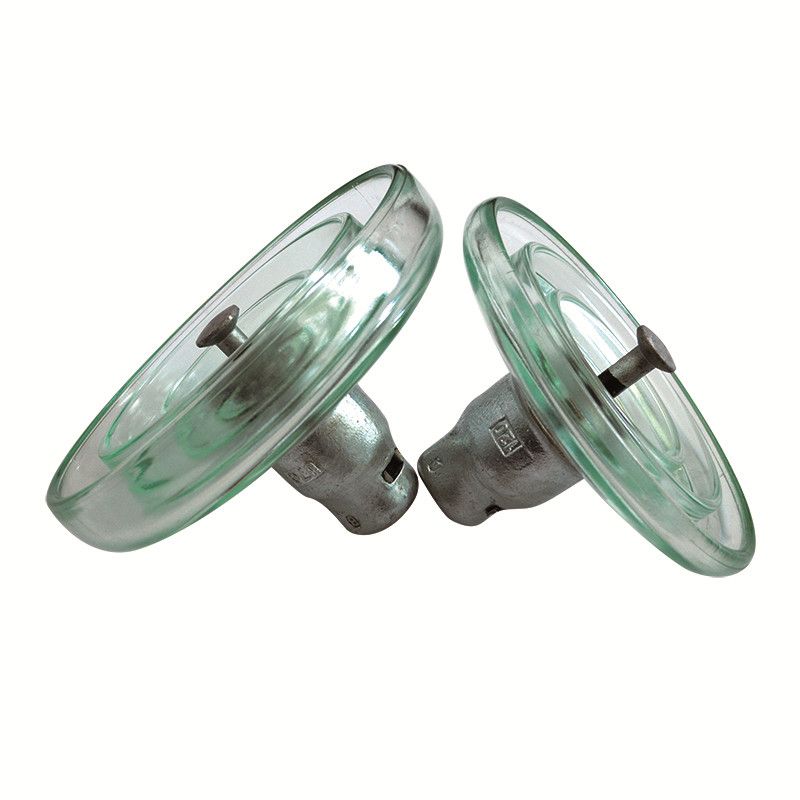
What are the advantages of glass insulators?
Glass power line insulators are key parts of overhead transmission and distribution systems. They keep current where it belongs and help wires stay safely separated from towers and poles. For utilities, this matters because one failed insulator can trigger outage risk, maintenance cost, and service interruption. For project teams and buyers, the real question is not just “what is it?” but
Sep. 04, 2026
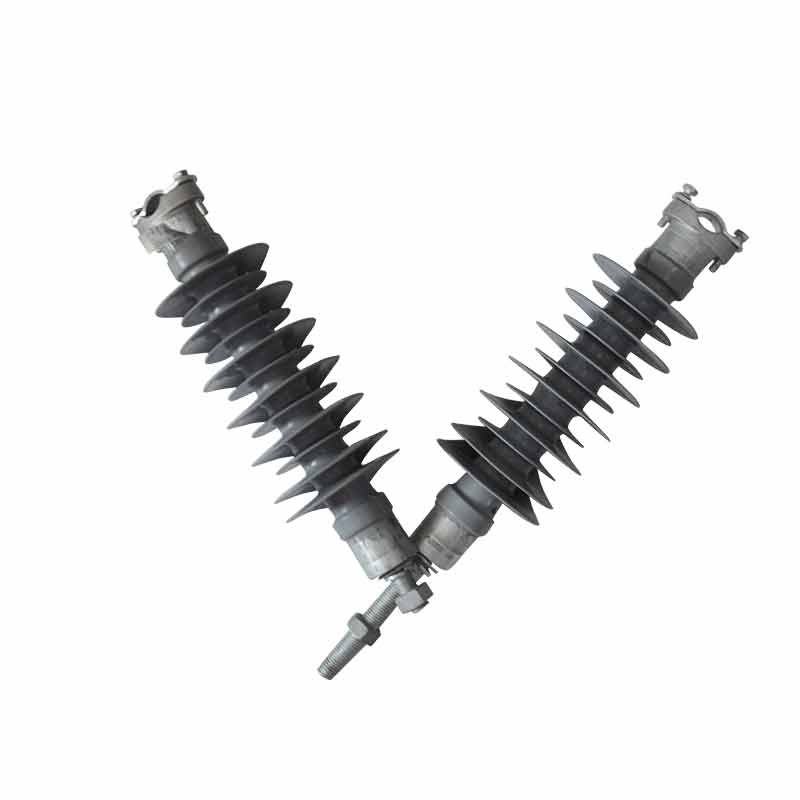
Are polymeric insulators resistant to pollution and salt fog?
A Polymeric Insulator is a lightweight composite insulation device made from a fiberglass core, silicone rubber housing, and metal end fittings. In practical power-grid applications, it is used to support and isolate conductors on transmission and distribution lines while resisting environmental stress such as contamination, moisture, and UV aging. For utilities and EPC contractors, this matters
Sep. 03, 2026
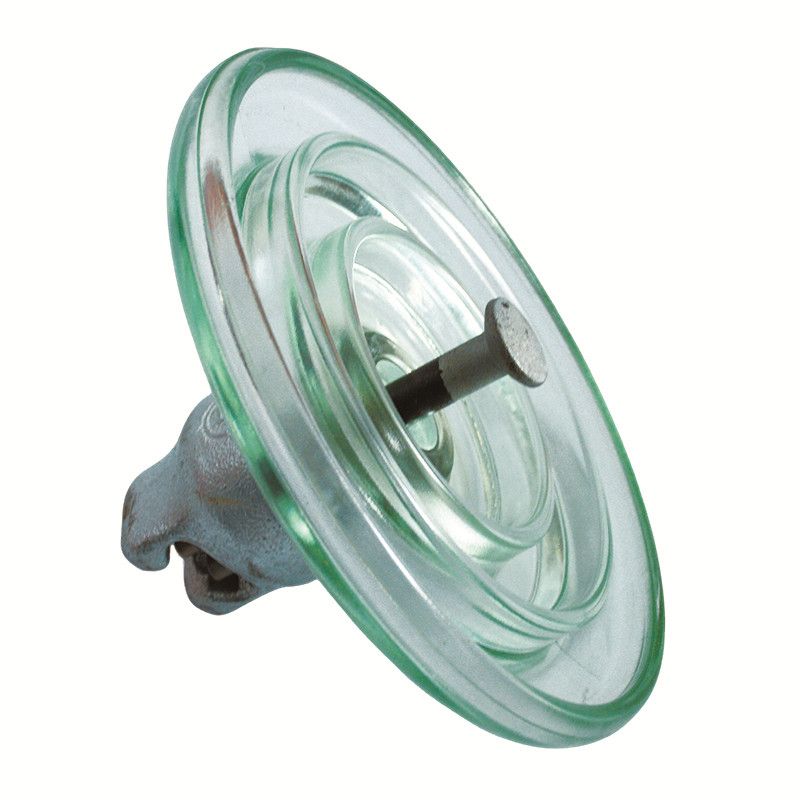
How do glass insulators differ from porcelain and polymeric insulators?
Glass Insulators are widely used in power transmission and distribution networks because they are easy to inspect, cost-effective in many applications, and offer strong long-term performance when selected correctly. If you are comparing Glass Insulators with porcelain and polymeric options, the real question is not only material difference, but als
Sep. 02, 2026
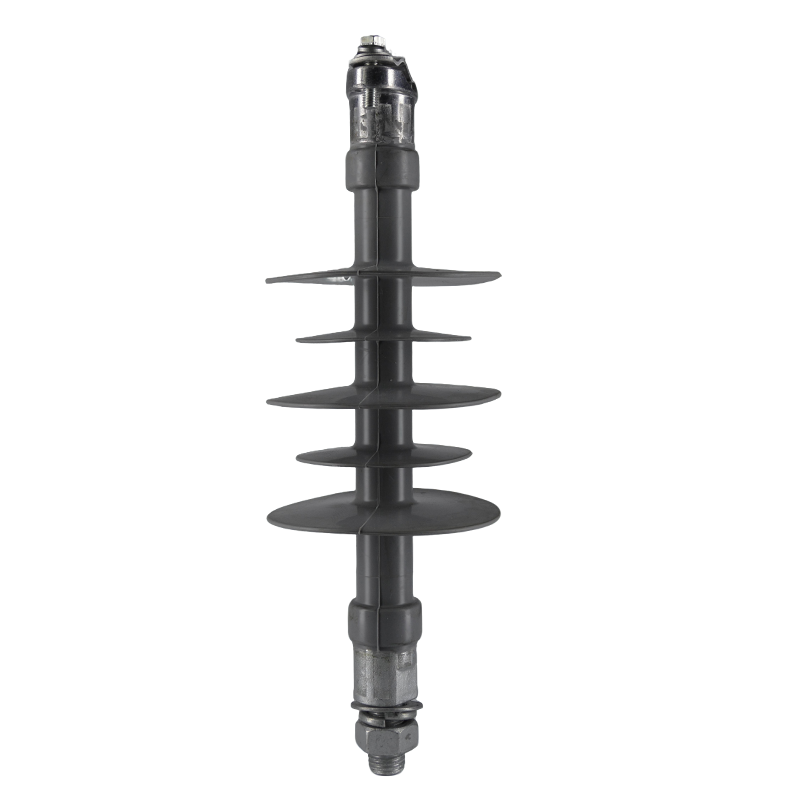
What materials are used in polymeric insulators?
The Composite polymer insulator has become an important part of modern power transmission and distribution systems. As grids move toward higher voltage levels and harsher outdoor environments, utilities need insulation that is lighter, safer, and easier to maintain. A polymeric insulator helps solve real field problems such as flashover in pollution, broken porcelain caused by impact, and high
Sep. 01, 2026

The principle of zinc oxide arrester
The core component is a zinc oxide (ZnO) resistor varistor, whose internal grains exhibit nonlinear volt-ampere characteristics:
Aug. 14, 2026

What are the advantages of porcelain insulators?
Ceramic Porcelain Insulator is a core part of modern power transmission and distribution systems. It helps lines stay safe, stable, and insulated under rain, dust, heat, and mechanical stress. In today’s grid, the need for a reliable porcelain insulator for power lines, a high voltage ceramic porcelain insulator, and a durable electrical porcelai
Aug. 07, 2026

Why are glass insulators used in power lines?
When a transmission line fails, the root cause is often not the conductor itself but the insulation system supporting it. A single flashover, contamination track, or mechanical crack in an insulator string can trigger an outage that cascades across feeders, increases outage minutes, and forces utilities into costly emergency dispatches. That is why
Aug. 06, 2026
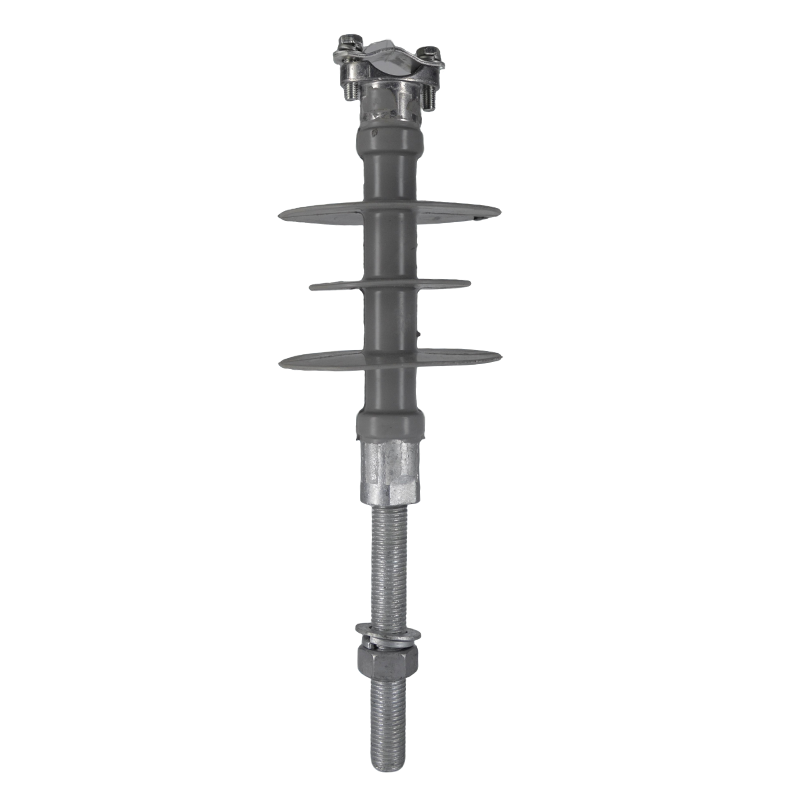
What are the main advantages of polymeric insulators?
Composite polymer insulator technology has become important in modern power grids because it helps utilities reduce outages, improve safety, and cut maintenance time. In the first 100 words, one thing is clear: Composite polymer insulator products solve real problems for lines that face pollution, salt fog, rain, and heavy vibration. For readers searching for polymeric insulator benefits,
Aug. 05, 2026
What standards do porcelain insulators comply with?
A porcelain insulator is an electrical insulation component made from high-strength ceramic material that prevents current leakage and supports conductors in power systems. In real projects, it is used on transmission lines, substations, rail electrification, and distribution networks to maintain insulation integrity, mechanical support, and long-term operational safety. For utilities and EPC
Aug. 04, 2026
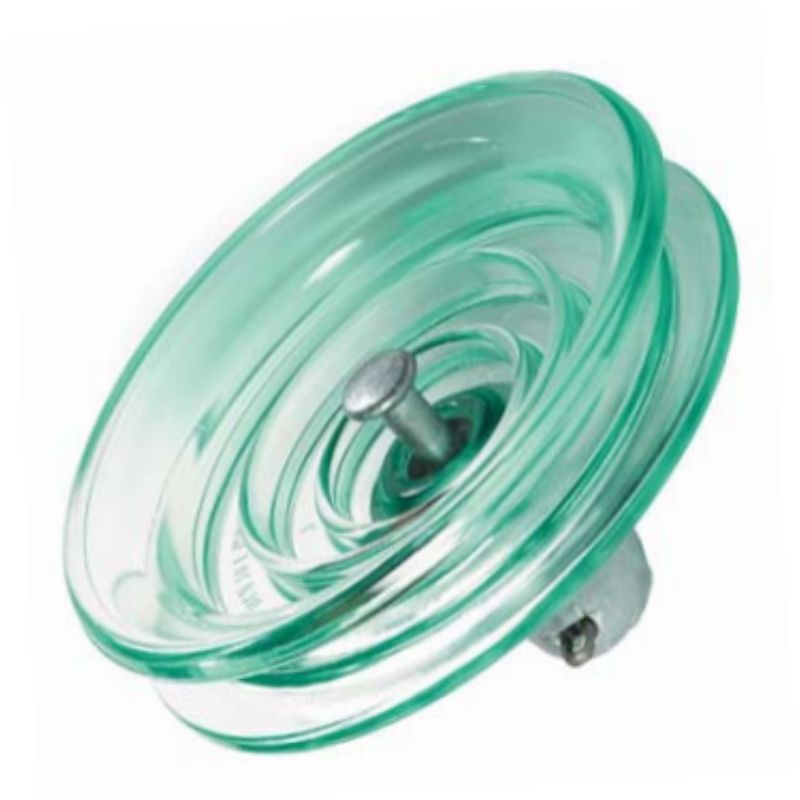
What materials are used in glass insulators?
Glass power line insulators are a key part of modern overhead power systems. They keep high-voltage conductors safely separated from towers and poles, so electricity can travel long distances without leakage or short circuits. In simple terms, they help power lines stay stable, safe, and efficient.
Jul. 29, 2026