Oct. 13, 2026
A Porcelain Insulator is a high-strength electrical insulating component made from fired ceramic materials, used to support and isolate conductors in power transmission, substations, rail traction, and distribution networks. In simple terms, it keeps electricity where it should be and helps equipment operate safely. For businesses, this matters because a reliable ceramic porcelain insulator can reduce outage risk, improve grid stability, and protect long-term asset value in demanding outdoor environments.
When engineers ask What are the disadvantages of porcelain insulators?, they are usually comparing lifecycle performance, mechanical reliability, and maintenance cost against polymer or glass alternatives. ZheXi has seen this question come up often in utility tenders, EPC projects, and OEM sourcing, especially where contamination severity, shipping fragility, and installation risk are decisive.
A Ceramic Porcelain Insulator is still widely used because it offers good dielectric strength, excellent weathering resistance, and proven service history. However, it also has several limitations that buyers and maintenance teams should understand before specifying it for a project.
Porcelain insulation technology has been used in power systems for more than a century. Its long service record made it a default choice for high-voltage infrastructure, especially where standards-based procurement required proven dielectric performance and mechanical endurance.
Today, porcelain remains common in transmission line strings, station post applications, and switchgear support assemblies. Yet the market has evolved. Utilities now expect higher pollution performance, lower installation risk, and faster maintenance cycles. That shift is one reason why the disadvantages of a Ceramic Porcelain Insulator are discussed more openly in modern procurement.
For example, many projects now compare porcelain with composite alternatives under ASTM, DIN, and IEC test frameworks. Buyers want measurable data, not just legacy preference. At ZheXi, quality verification often includes 100% inspection, dimensional control to 0.01 mm, and batch traceability for critical parts.
The most well-known weakness of a Ceramic Porcelain Insulator is brittleness. Porcelain has high compressive strength, but it is vulnerable to impact, shock loading, and transport damage.
This creates several practical issues:
In field operations, a cracked Ceramic Porcelain Insulator may look acceptable from a distance but fail under electrical stress. That is why utility teams often require visual inspection, tap testing, and strict incoming quality checks.
A Porcelain Insulator is generally heavier than a polymer insulator with equivalent voltage class. That extra mass affects:
For large transmission projects, the weight difference can become a real commercial factor. A heavier Ceramic Porcelain Insulator may increase structural design margins and installation time, especially in remote areas with limited access.
In polluted or coastal environments, porcelain surfaces can accumulate dust, salt, and industrial deposits. Once wet, this contamination can reduce creepage performance and increase the risk of flashover.
This is especially important for:
A Ceramic Porcelain Insulator can still perform well in such locations, but it often requires more frequent washing, longer creepage design, or additional pollution mitigation measures. In other words, the product is not unsuitable; it just needs the right specification.
Because porcelain is rigid and brittle, it is less forgiving than flexible composite materials. Even when the electrical design is sound, a shipping incident can create internal defects that are difficult to detect.
This is why serious suppliers apply:
At ZheXi, these controls are used to reduce the chance of field failures and support repeatable quality for every Ceramic Porcelain Insulator shipment.
A porcelain unit may fail without obvious early warning, especially if a crack develops internally or if contamination causes a tracking path under high humidity. Unlike some composite products, the damage may not be immediately visible.
This creates maintenance challenges:
For asset managers, this means a Ceramic Porcelain Insulator can increase inspection burden unless the maintenance program is well structured.
This is not accurate. A Porcelain Insulator is still widely used because it has decades of performance data and remains a trusted option in many grid applications. The right answer depends on service environment, mechanical loading, and total lifecycle cost.
Not necessarily. In clean environments or where long-term UV stability and rigid construction are priorities, a Ceramic Porcelain Insulator can be an excellent choice. Performance depends on the application, not just the material category.
This is a costly mistake. The quality of a Ceramic Porcelain Insulator depends on raw material formulation, firing control, glaze consistency, dimensional accuracy, and test compliance. A well-made product from ZheXi is very different from a low-grade unit with weak process control.
Not always. Internal microcracks, glaze defects, and hidden mechanical damage can exist even when the surface appears normal. That is why standards-based testing and controlled inspection are essential.
To understand the business impact, consider a utility project in a coastal industrial belt. The engineering team selected a Ceramic Porcelain Insulator for its proven electrical performance, but later found that salt contamination and handling damage increased maintenance calls.
The project team then improved the specification by:
The result was lower outage frequency and better asset reliability. The lesson is simple: the disadvantages of porcelain do not automatically disqualify it. They must be managed through correct design and procurement discipline.
| Factor | Porcelain Insulator | Composite Alternative |
|---|---|---|
| Mechanical brittleness | Higher | Lower |
| Weight | Heavier | Lighter |
| Contamination resistance | Moderate | Often higher |
| UV aging | Excellent | Depends on sheath material |
| Shipping sensitivity | Higher | Lower |
| Proven service history | Very strong | Strong but shorter history |
| Maintenance frequency in polluted areas | Higher | Often lower |
This is why many engineers still specify a Ceramic Porcelain Insulator for clean-grid corridors, indoor substations, and applications where rigidity and legacy compatibility matter.
To reduce risk, procurement teams should request compliance evidence and test records. Common references may include ASTM, DIN, and IEC-based procedures depending on the project specification.
Useful checks include:
When a supplier like ZheXi documents these controls, buyers gain better confidence in the consistency of each Ceramic Porcelain Insulator delivered to site.
Despite its weaknesses, a Porcelain Insulator remains commercially attractive in many projects because it offers:
For buyers, the real question is not whether porcelain has disadvantages. The real question is whether those disadvantages are acceptable in the target operating environment. In many cases, a properly designed Ceramic Porcelain Insulator still delivers strong value.
The disadvantages of porcelain insulators are mainly related to brittleness, weight, pollution sensitivity, shipping damage risk, and sometimes higher maintenance needs. These limitations are real, but they can be controlled with proper design, quality assurance, and standards-based testing.
If your project requires a trusted Porcelain Insulator solution, ZheXi can support specification review, product selection, and quality-controlled delivery for utility and industrial applications. A well-engineered Ceramic Porcelain Insulator is not just a component; it is part of the reliability strategy for the entire power system.
If you are evaluating insulation options now, review your contamination level, mechanical load, and maintenance plan first. Then choose the material that best fits the asset lifecycle, not just the purchase price.
Latest News
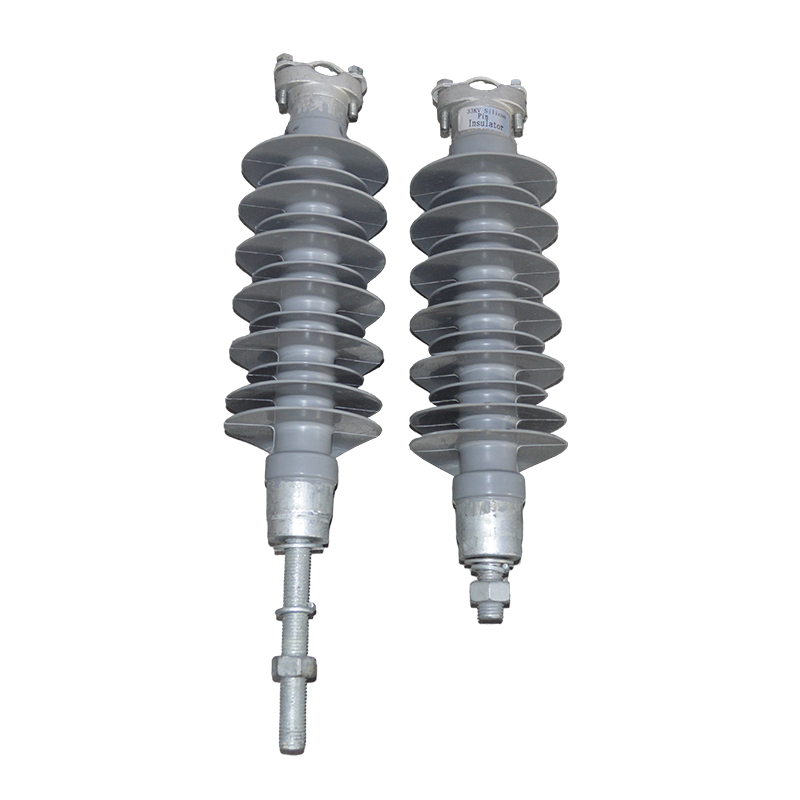
What are the types of polymeric insulators?
Composite polymer insulator technology has become a key part of modern power transmission because utilities need insulation that is lighter, safer in polluted areas, and easier to install than traditional porcelain or glass. In the last decade, grid operators have increased the use of polymer-based line hardware in harsh environments such as coastal zones, industrial corridors, and high-humidity
Oct. 13, 2026
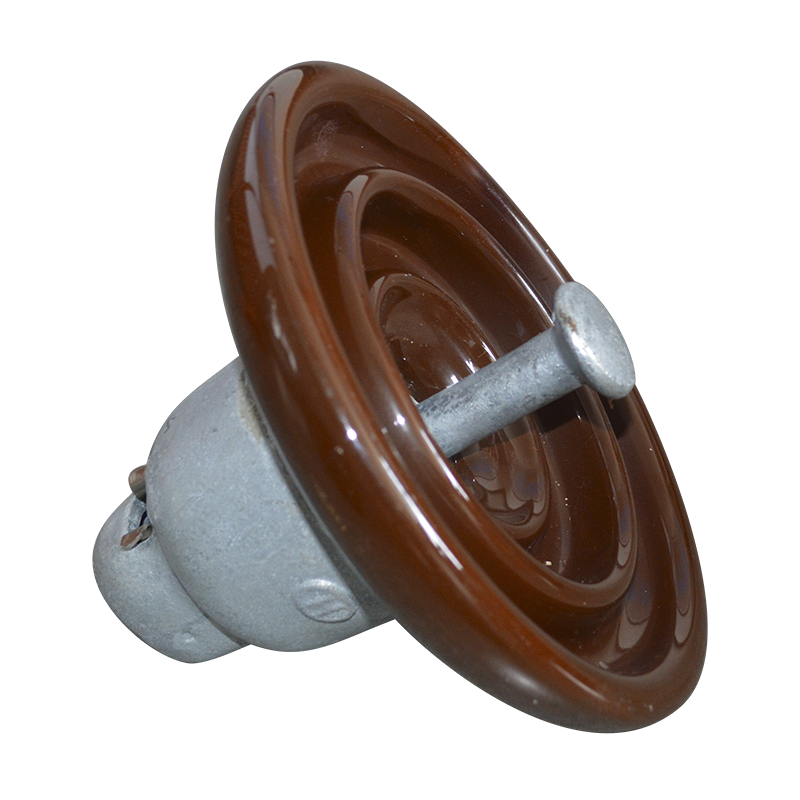
How do porcelain insulators compare to glass and polymeric insulators?
If you are choosing a Ceramic Porcelain Insulator for a substation, overhead line, or distribution network, the real question is usually not “Which material is best?” but “Which one is safest, easiest to maintain, and cheapest over the full service life?” In high-humidity corridors, coastal lines, and pollution-heavy industrial sites, porcelain insulators, glass insulators, and polymeric
Oct. 13, 2026
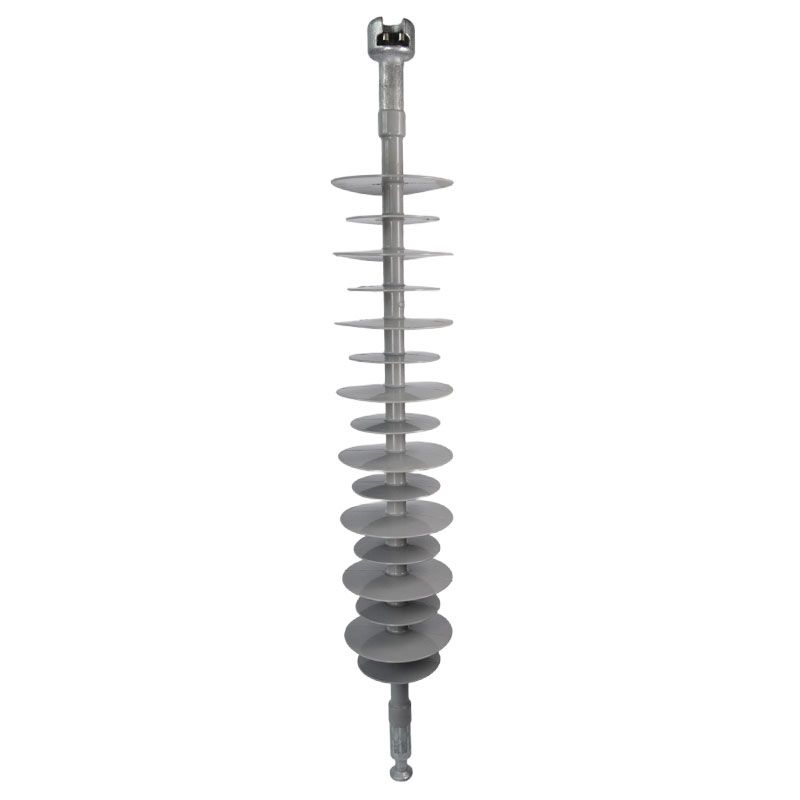
Do polymeric insulators meet international standards?
Polymeric insulators are electrical insulation devices made from silicone rubber, EPDM, or other high-performance polymers, designed to support and isolate conductors in overhead lines and substations. In practical use, a Polymeric Insulator helps utilities and industrial operators reduce outage risk, improve pollution flashover performance, and lower maintenance costs. For businesses, the value
Oct. 09, 2026
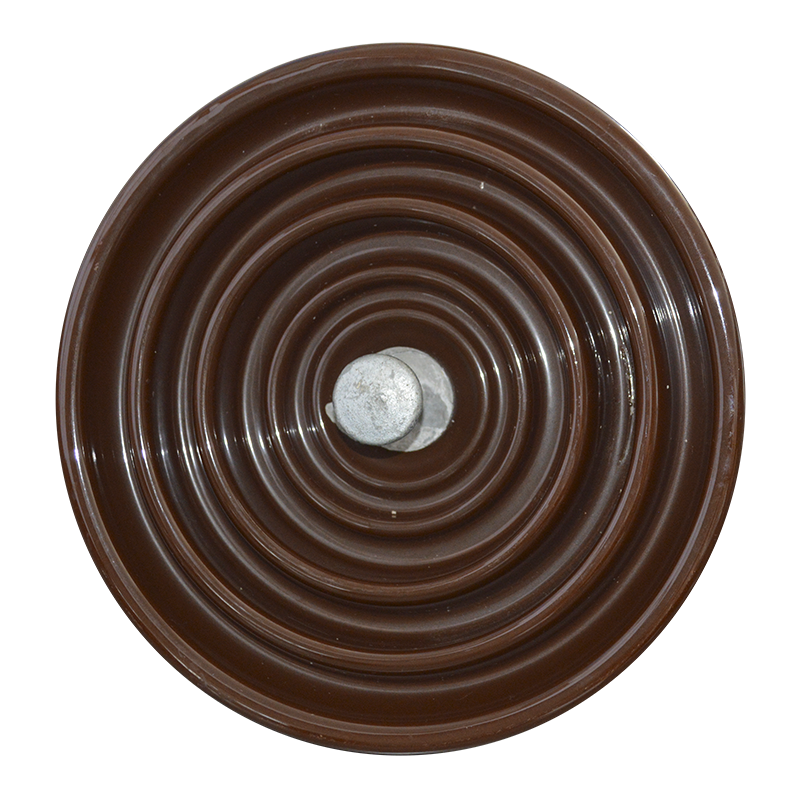
What are the disadvantages of porcelain insulators?
A Porcelain Insulator is a high-strength electrical insulating component made from fired ceramic materials, used to support and isolate conductors in power transmission, substations, rail traction, and distribution networks. In simple terms, it keeps electricity where it should be and helps equipment operate safely. For businesses, this matters because a reliable Ceramic Porcelain Insulator can
Oct. 13, 2026
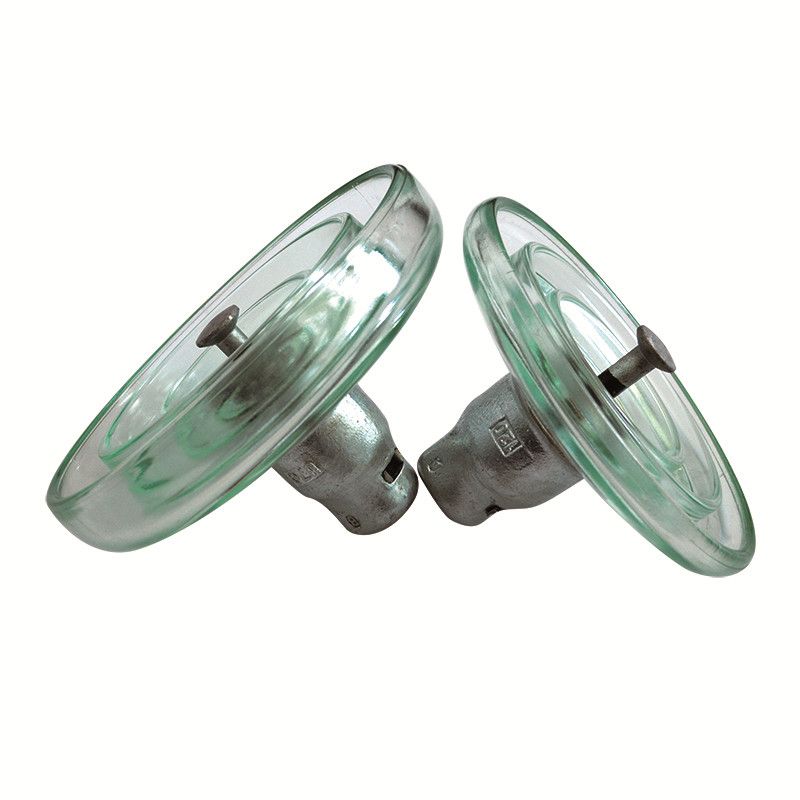
What are the advantages of glass insulators?
Glass power line insulators are key parts of overhead transmission and distribution systems. They keep current where it belongs and help wires stay safely separated from towers and poles. For utilities, this matters because one failed insulator can trigger outage risk, maintenance cost, and service interruption. For project teams and buyers, the real question is not just “what is it?” but
Sep. 04, 2026
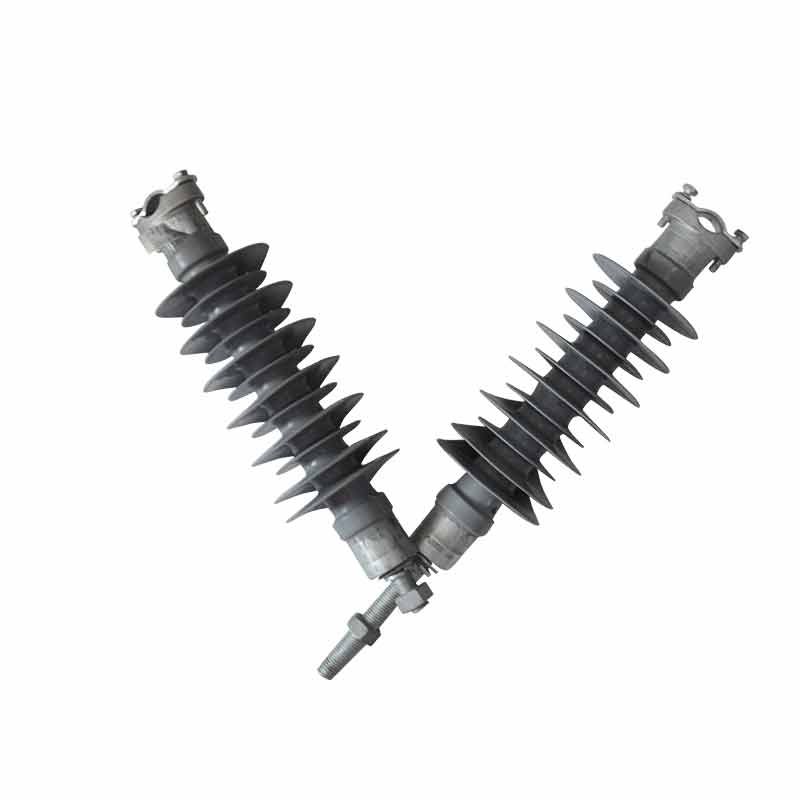
Are polymeric insulators resistant to pollution and salt fog?
A Polymeric Insulator is a lightweight composite insulation device made from a fiberglass core, silicone rubber housing, and metal end fittings. In practical power-grid applications, it is used to support and isolate conductors on transmission and distribution lines while resisting environmental stress such as contamination, moisture, and UV aging. For utilities and EPC contractors, this matters
Sep. 03, 2026
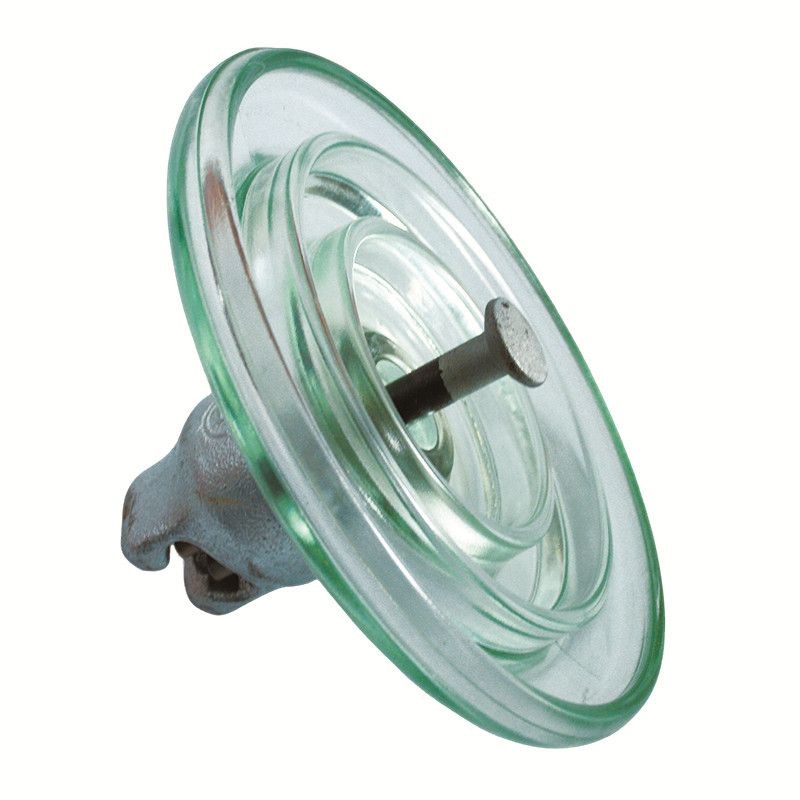
How do glass insulators differ from porcelain and polymeric insulators?
Glass Insulators are widely used in power transmission and distribution networks because they are easy to inspect, cost-effective in many applications, and offer strong long-term performance when selected correctly. If you are comparing Glass Insulators with porcelain and polymeric options, the real question is not only material difference, but als
Sep. 02, 2026
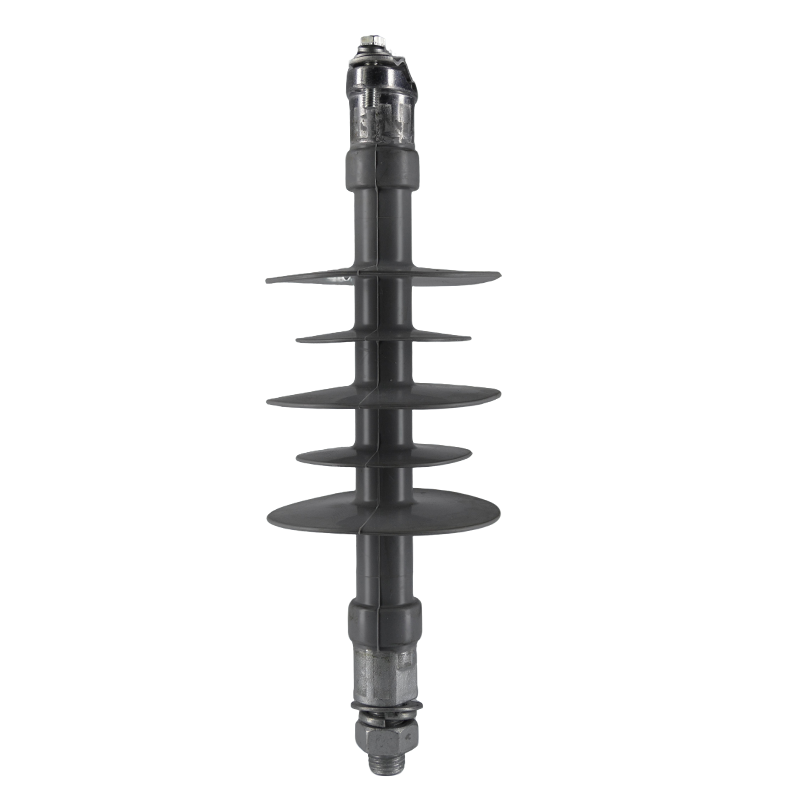
What materials are used in polymeric insulators?
The Composite polymer insulator has become an important part of modern power transmission and distribution systems. As grids move toward higher voltage levels and harsher outdoor environments, utilities need insulation that is lighter, safer, and easier to maintain. A polymeric insulator helps solve real field problems such as flashover in pollution, broken porcelain caused by impact, and high
Sep. 01, 2026

The principle of zinc oxide arrester
The core component is a zinc oxide (ZnO) resistor varistor, whose internal grains exhibit nonlinear volt-ampere characteristics:
Aug. 14, 2026

What are the advantages of porcelain insulators?
Ceramic Porcelain Insulator is a core part of modern power transmission and distribution systems. It helps lines stay safe, stable, and insulated under rain, dust, heat, and mechanical stress. In today’s grid, the need for a reliable porcelain insulator for power lines, a high voltage ceramic porcelain insulator, and a durable electrical porcelai
Aug. 07, 2026