Aug. 07, 2026
ceramic porcelain insulator is a core part of modern power transmission and distribution systems. It helps lines stay safe, stable, and insulated under rain, dust, heat, and mechanical stress. In today’s grid, the need for a reliable Porcelain Insulator for power lines, a high voltage ceramic porcelain insulator, and a durable electrical porcelain insulator is rising because utilities want fewer outages, lower maintenance, and longer service life.
In real projects, the pain point is not only “insulation failure.” It is also contamination flashover, aging from UV and weather, and line downtime caused by broken support parts. This is why Ceramic Porcelain Insulator still matters: it gives stable dielectric performance, strong mechanical support, and proven field use in harsh environments. If you are comparing materials for substations, overhead lines, or switchgear, understanding what are the advantages of porcelain insulators will help you make a safer choice.
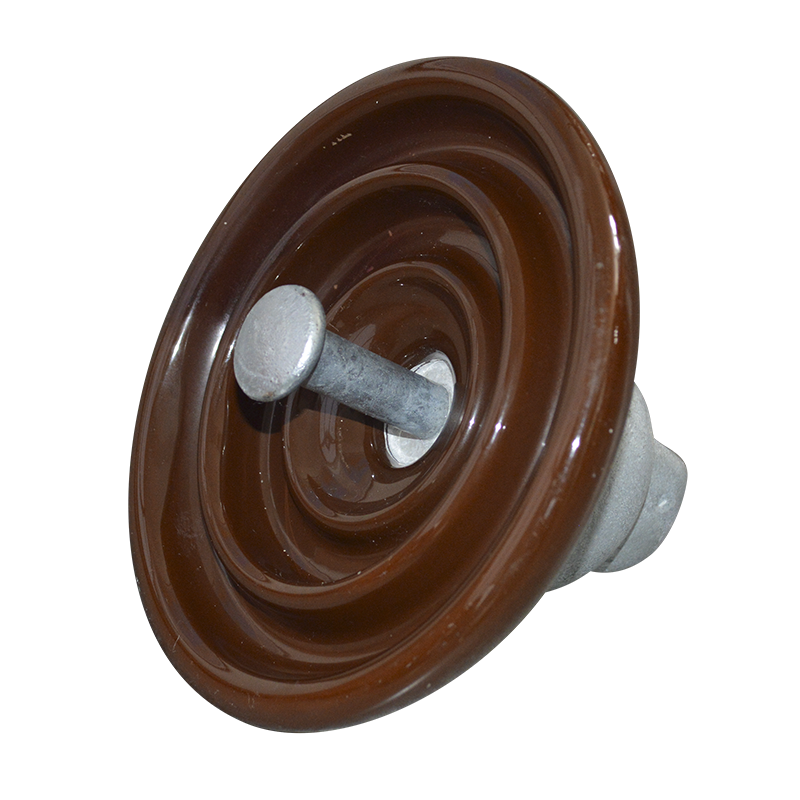
A Ceramic Porcelain Insulator is an insulating component made from fired ceramic material, usually porcelain. In the power industry, porcelain means a dense ceramic body with low water absorption and high electrical resistance. It is used to separate live conductors from grounded structures while also supporting mechanical load.
From an industry point of view, porcelain insulators are valued because they combine:
High dielectric strength
Good mechanical compressive strength
Stable performance in outdoor use
Long-term aging resistance
Unlike simple plastic parts, porcelain is not just “non-conductive.” It is a engineered ceramic product made through controlled raw material selection, shaping, glazing, and high-temperature firing. In practice, this means the product can handle electrical stress and weather stress at the same time.
Long-tail keywords naturally included: porcelain insulator for power lines, high voltage ceramic porcelain insulator, durable electrical porcelain insulator
Porcelain has high volume resistivity and strong dielectric strength. In power systems, that matters because insulation is not a short-term job. A line may run for 20 to 40 years or more, so the insulation material must stay stable.
Porcelain is widely used because it does not easily lose insulating ability in normal outdoor aging. Compared with some polymers, porcelain is less sensitive to surface chemical aging.
Why this matters: fewer unexpected insulation failures and lower replacement frequency.
Outdoor power equipment faces sun, rain, frost, fog, and pollution. Porcelain is fired at high temperature, so it has good thermal stability. It also does not soften under summer heat the way some materials can.
Industry reports and product standards commonly evaluate insulators under environmental stress such as salt fog, wet flashover, and mechanical load tests. Porcelain products remain popular because they have a long track record in these tests and in field operation.
Practical effect: better durability in hot, humid, coastal, and industrial areas.
Porcelain insulators are not only insulation parts. They also carry force. In overhead lines, the insulator must support conductor weight, wind load, and tension.
That is why products like pin-type, suspension-type, and post-type porcelain insulators are still used. A well-designed ceramic body can provide the needed compressive strength and structural stability.
Measured benefit in field maintenance logic: fewer damage events caused by long-term deformation or surface aging.
Porcelain surfaces are usually glazed and easy to inspect. Cracks, chips, and contamination can often be seen by maintenance staff during line checks.
This is important because visual inspection helps crews find problems before a failure spreads. For utilities managing long line networks, easy inspection can reduce troubleshooting time.
Porcelain insulators have a long industrial history. That means design, testing, and acceptance standards are mature. Common evaluation items include:
Mechanical failing load
Power-frequency withstand voltage
Lightning impulse withstand voltage
Wet flashover performance
Surface quality and glaze integrity
This maturity gives buyers more confidence, especially in projects that need predictable performance and easy compliance.
Many users ask why porcelain is still used when newer materials exist. The answer is simple: power grids need reliability more than fashion.
According to major utility practice and insulation engineering references, no single material wins in every condition. Polymer insulators can be lighter, but porcelain remains strong in applications where:
Long service life is required
Mechanical load is high
Aging must be predictable
Maintenance teams want easy visual checks
The project needs proven standards and field history
In other words, porcelain insulators are important because they solve a very practical problem: they help keep power flowing with less risk.
Ceramic Porcelain Insulator products are widely used in overhead power lines. They isolate the conductor from the pole or tower while carrying mechanical load.
Common uses include:
Suspension strings
Pin insulators
Line post insulators
For this scenario, the key needs are high voltage insulation and weather resistance.
In substations, porcelain insulators support busbars, disconnect switches, and other high-voltage equipment. Here, the product must handle both electrical stress and mechanical support.
A high voltage ceramic porcelain insulator is often preferred when stability and long-term reliability are more important than weight savings.
Low- and medium-voltage distribution lines also use porcelain insulators. These systems often run through cities, towns, and rural areas, where maintenance access can be limited.
For this reason, a durable electrical porcelain insulator can reduce the need for frequent replacement.
Railway and industrial systems may face vibration, pollution, and strong current demand. Porcelain insulators are used because they can keep performance steady in tough environments.
Salt, dust, and industrial smoke can increase flashover risk. Porcelain insulators with proper glazing and profile design can help improve surface performance, especially when paired with cleaning and maintenance plans.
The working principle is based on two layers of protection:
Porcelain has high resistance, so current does not easily pass through it. This helps keep the conductor isolated from grounded structures.
In outdoor use, the insulator surface can collect moisture and dust. The shed design and glaze help lengthen the creepage path, making it harder for current to jump across the surface.
This is why the structure matters, not only the material itself. A good porcelain insulator must have:
Proper shed spacing
Smooth glaze
Accurate dimensions
Strong internal ceramic density
Porcelain advantages: mature technology, easy visual inspection, high compressive strength, stable aging behavior
Polymer advantages: lighter weight, easier handling
Porcelain advantages: strong design flexibility, broad application history, easy customization
Glass advantages: some types self-explodably fail when damaged, which helps visual detection
For many utility buyers, the decision depends on project conditions. If the site has high mechanical load, long life requirements, or wants a proven design, porcelain often remains a strong option.
To make the discussion more practical, here are data-backed reference points often used in the industry:
IEC 60383 / IEC 60168 are standard references for insulator testing and performance evaluation.
IEEE insulator guides are commonly used in North American utility practice.
Utility engineering literature repeatedly notes that pollution flashover performance depends on creepage distance, surface condition, and maintenance planning.
Porcelain remains one of the most established materials in overhead line insulation because it has decades of operational data in transmission and distribution grids.
For readers who want to dig deeper, authoritative sources include:
IEC standards documents
IEEE power engineering references
Utility technical manuals
Manufacturer test reports and type-test records
Industry articles from power equipment associations
These sources are especially useful when comparing a porcelain insulator for power lines or selecting a high voltage ceramic porcelain insulator for a new project.
If you are buying or specifying insulators, use this checklist:
Match the insulator to the system voltage and impulse withstand needs.
Check failing load, tension, and support requirements.
Consider pollution level, humidity, salt fog, dust, and temperature changes.
Longer creepage distance helps in polluted environments.
Ask for test reports and compliance with IEC or relevant local standards.
Look for smooth glaze, no cracks, and no visible defects.
A reliable supplier should provide:
Raw material control
Firing process data
Routine test records
Type test reports
Packaging and transport protection
If you are comparing options for a durable electrical porcelain insulator, these factors matter more than price alone.
Porcelain’s stable structure can reduce replacement frequency when properly selected and installed.
Its fired ceramic body and glaze help it perform well in rain, heat, and sunlight.
The visible surface makes defects easier to spot during patrol checks.
Porcelain is a long-proven material with a strong service history in power systems.
They offer stable insulation, strong mechanical support, weather resistance, easy visual inspection, and mature industry standards.
Yes. They are still widely used in transmission lines, substations, distribution networks, and industrial power systems.
Not always. Porcelain is often better for mature, heavy-duty, long-life applications. Polymer can be better where weight reduction is important.
They are heavier and can crack if hit or handled roughly. That is why careful transport and installation are important.
Check voltage level, mechanical load, pollution level, and standard requirements. If needed, ask the supplier for a technical selection guide.
If you are planning a project, the next step is to read the product user guide, check the test report, and confirm the application conditions before buying. For buyers who want a trusted source, consider learning more about ZheXi porcelain insulator solutions, including product specifications, application matching, and technical support.
If you want to evaluate a porcelain insulator for power lines, a high voltage ceramic porcelain insulator, or a durable electrical porcelain insulator, ZheXi can help you compare models and choose the right one for your site conditions.
Long-tail keywords naturally included: porcelain insulator for power lines, high voltage ceramic porcelain insulator, durable electrical porcelain insulator
If you want, I can also turn this into:
a more keyword-heavy SEO version,
a brand-promotion version for ZheXi, or
a full HTML article with title tags, meta description, and schema-friendly FAQs.
Latest News
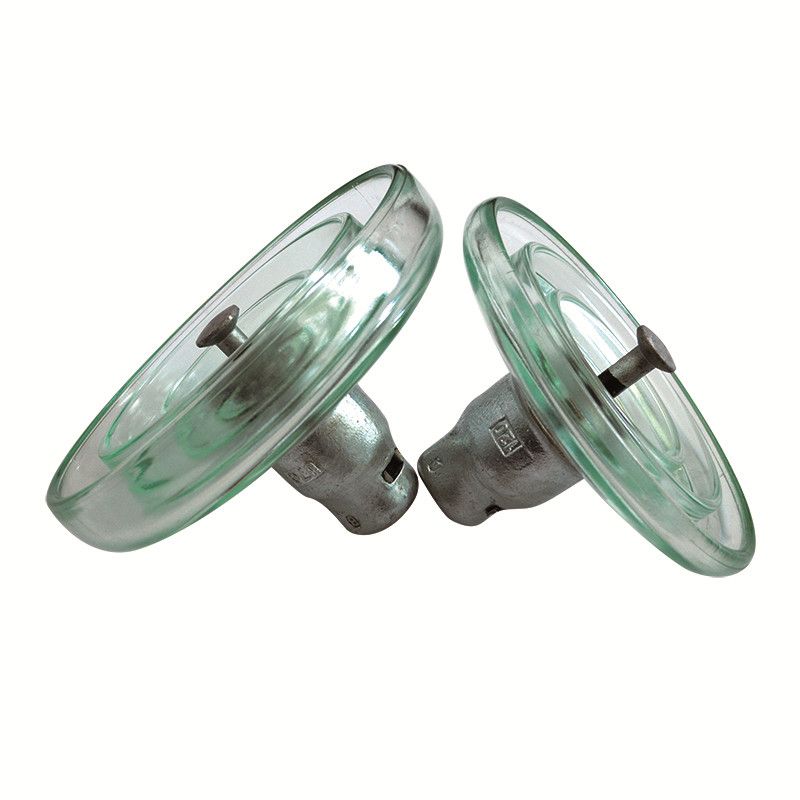
What are the advantages of glass insulators?
Glass power line insulators are key parts of overhead transmission and distribution systems. They keep current where it belongs and help wires stay safely separated from towers and poles. For utilities, this matters because one failed insulator can trigger outage risk, maintenance cost, and service interruption. For project teams and buyers, the real question is not just “what is it?” but
Sep. 04, 2026
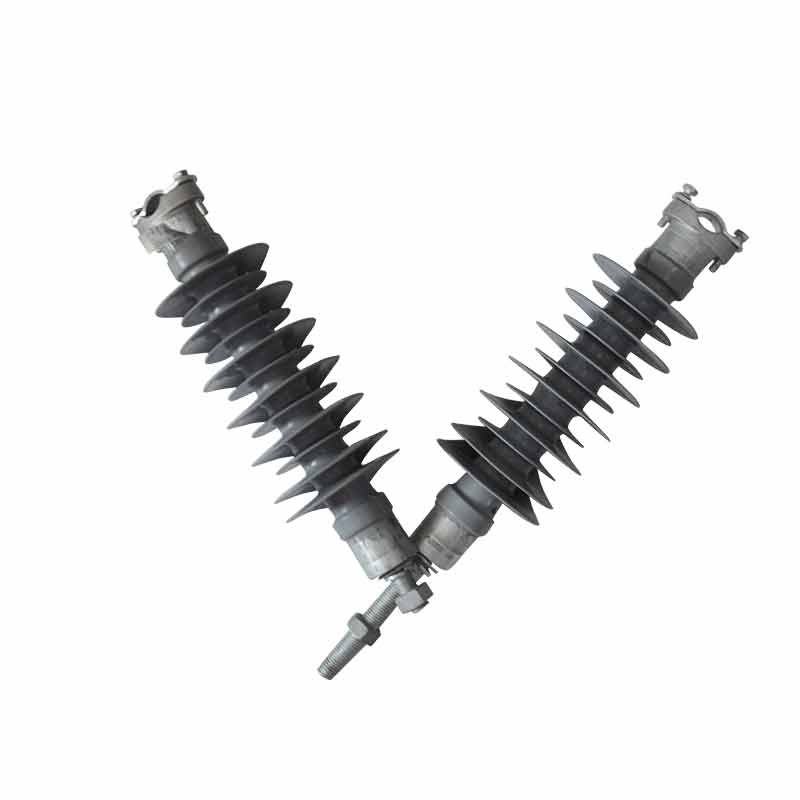
Are polymeric insulators resistant to pollution and salt fog?
A Polymeric Insulator is a lightweight composite insulation device made from a fiberglass core, silicone rubber housing, and metal end fittings. In practical power-grid applications, it is used to support and isolate conductors on transmission and distribution lines while resisting environmental stress such as contamination, moisture, and UV aging. For utilities and EPC contractors, this matters
Sep. 03, 2026
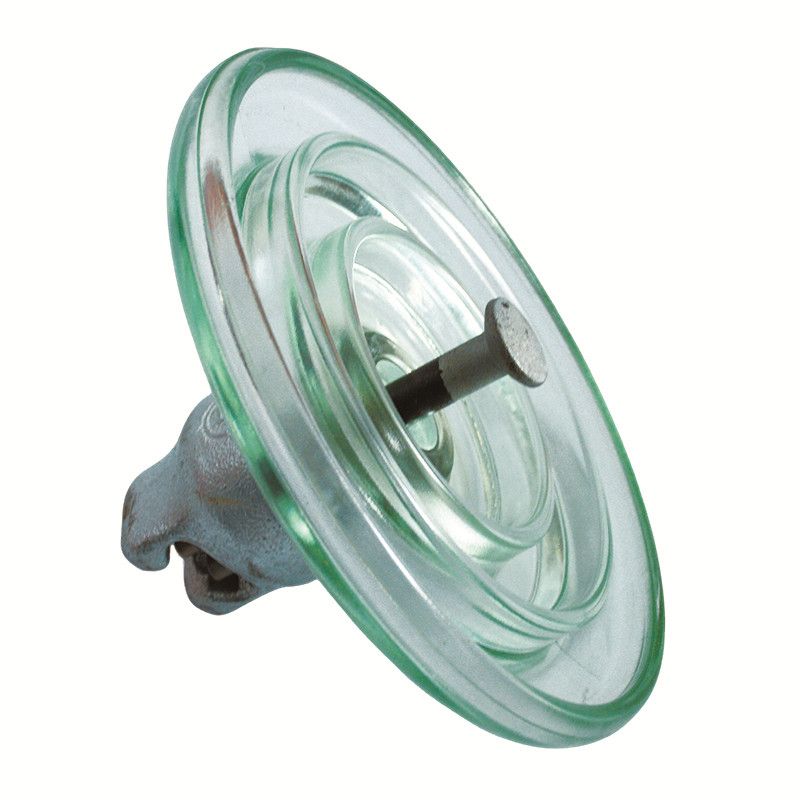
How do glass insulators differ from porcelain and polymeric insulators?
Glass Insulators are widely used in power transmission and distribution networks because they are easy to inspect, cost-effective in many applications, and offer strong long-term performance when selected correctly. If you are comparing Glass Insulators with porcelain and polymeric options, the real question is not only material difference, but als
Sep. 02, 2026
What materials are used in polymeric insulators?
The Composite polymer insulator has become an important part of modern power transmission and distribution systems. As grids move toward higher voltage levels and harsher outdoor environments, utilities need insulation that is lighter, safer, and easier to maintain. A polymeric insulator helps solve real field problems such as flashover in pollution, broken porcelain caused by impact, and high
Sep. 01, 2026

The principle of zinc oxide arrester
The core component is a zinc oxide (ZnO) resistor varistor, whose internal grains exhibit nonlinear volt-ampere characteristics:
Aug. 14, 2026

What are the advantages of porcelain insulators?
Ceramic Porcelain Insulator is a core part of modern power transmission and distribution systems. It helps lines stay safe, stable, and insulated under rain, dust, heat, and mechanical stress. In today’s grid, the need for a reliable porcelain insulator for power lines, a high voltage ceramic porcelain insulator, and a durable electrical porcelai
Aug. 07, 2026

Why are glass insulators used in power lines?
When a transmission line fails, the root cause is often not the conductor itself but the insulation system supporting it. A single flashover, contamination track, or mechanical crack in an insulator string can trigger an outage that cascades across feeders, increases outage minutes, and forces utilities into costly emergency dispatches. That is why
Aug. 06, 2026
What are the main advantages of polymeric insulators?
Composite polymer insulator technology has become important in modern power grids because it helps utilities reduce outages, improve safety, and cut maintenance time. In the first 100 words, one thing is clear: Composite polymer insulator products solve real problems for lines that face pollution, salt fog, rain, and heavy vibration. For readers searching for polymeric insulator benefits,
Aug. 05, 2026
What standards do porcelain insulators comply with?
A porcelain insulator is an electrical insulation component made from high-strength ceramic material that prevents current leakage and supports conductors in power systems. In real projects, it is used on transmission lines, substations, rail electrification, and distribution networks to maintain insulation integrity, mechanical support, and long-term operational safety. For utilities and EPC
Aug. 04, 2026
What materials are used in glass insulators?
Glass power line insulators are a key part of modern overhead power systems. They keep high-voltage conductors safely separated from towers and poles, so electricity can travel long distances without leakage or short circuits. In simple terms, they help power lines stay stable, safe, and efficient.
Jul. 29, 2026