Sep. 04, 2026
glass power line insulators are key parts of overhead transmission and distribution systems. They keep current where it belongs and help wires stay safely separated from towers and poles. For utilities, this matters because one failed insulator can trigger outage risk, maintenance cost, and service interruption. For project teams and buyers, the real question is not just “what is it?” but which Glass Insulators fit the line voltage, environment, and maintenance plan. This article explains glass power line insulators, glass insulators for overhead lines, and transparent glass power line insulator performance in simple language, so you can understand the full buying and use process.

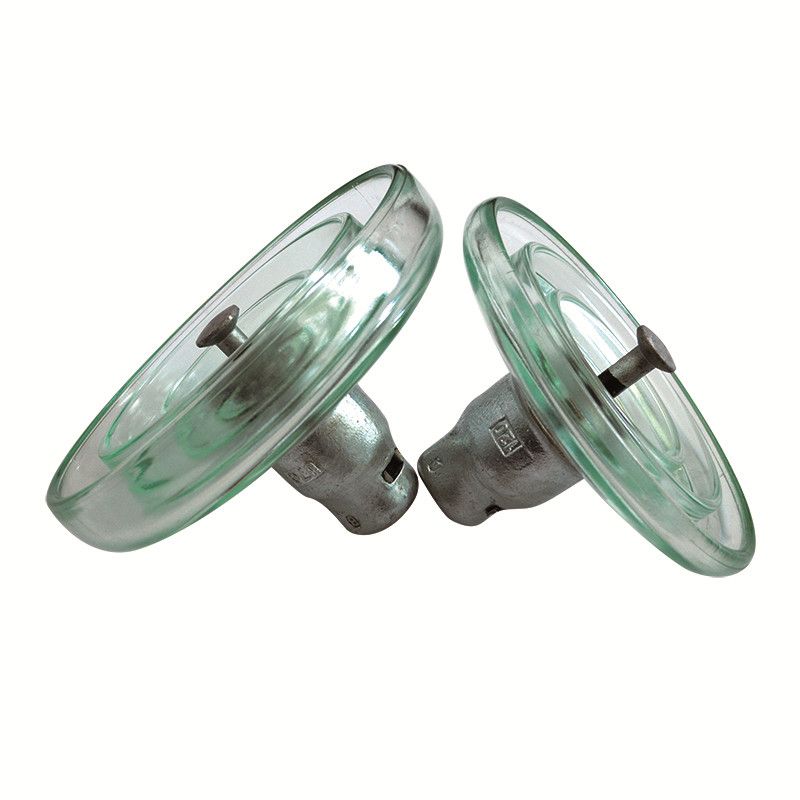
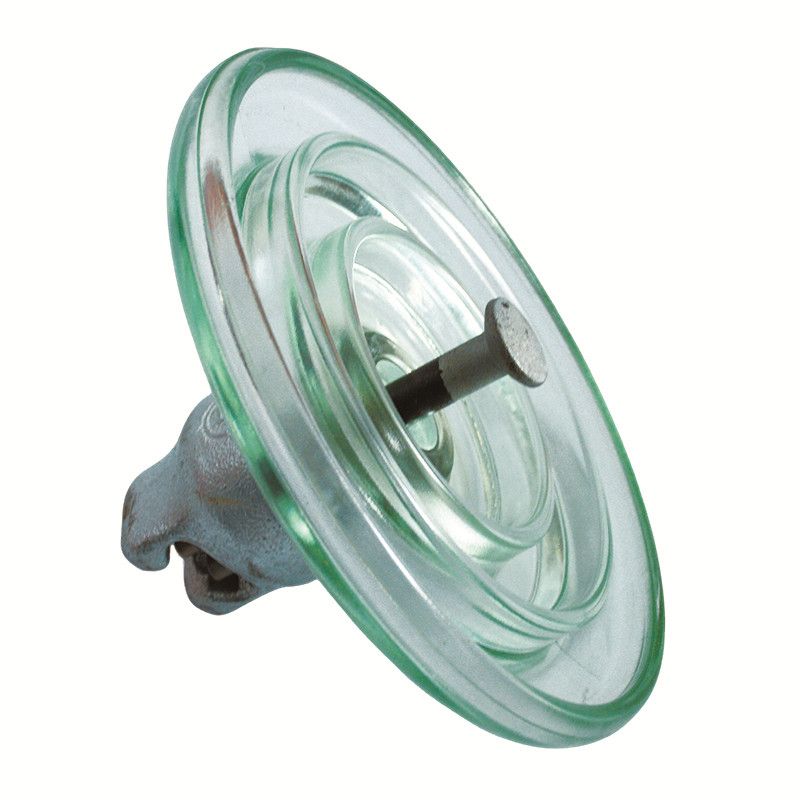
A glass power line insulator is an electrical part made from toughened glass. Its job is simple: support the conductor and block current from flowing into the tower or pole.
In industry terms, this is called electrical insulation and mechanical support.
That means the insulator must do two things at once:
A glass insulator is a disc-shaped or shaped insulating unit used in overhead lines. It is usually installed in strings for medium-voltage and high-voltage systems.
Glass is used because it has:
Unlike some other materials, toughened glass has a clear failure sign. If it breaks, it usually shows visible damage. That helps maintenance crews find problems faster during line patrols.
In power transmission, the main performance metrics include:
For example, in polluted environments, insulators with a larger creepage distance generally perform better against surface leakage. That is why design is not just about material, but also about shape and distance.
Glass insulators for overhead lines work by creating a safe gap between energized conductors and grounded structures.
The conductor is attached to the insulator, and the insulator is connected to the tower arm or crossarm. Because glass does not conduct electricity easily, the current stays in the wire path instead of leaking into the structure.
The main reason this works is the high insulation resistance of glass. In practical terms:
One major advantage of glass power line insulators is that defects are easier to spot. If a disc is damaged, it is often visible from the ground or during drone inspection. This supports faster maintenance planning and can reduce the chance of hidden failure.
In utility maintenance, visible defect detection can shorten inspection time because crews do not need to rely only on electrical testing. For large transmission networks, that can reduce the time spent on manual checks across thousands of insulator units. Field teams often value this because inspection efficiency has a direct link to outage prevention and labor cost control.
This is one of the most common buyer questions, so let’s answer it clearly.
Glass insulators are transparent or semi-transparent in appearance, and damage is easier to see than in some other materials. That helps operators identify broken units during patrols.
Glass does not absorb moisture the same way some porous materials do. It keeps stable performance over long service periods when properly designed and installed.
Toughened glass insulators are made to handle tensile load. This matters in windy areas, long spans, and line sections with heavy conductor tension.
Glass has stable dielectric properties. That means it performs consistently when the operating conditions are within design limits.
Because breakage is visible, it is easier to confirm a bad unit. This lowers the risk of “silent” problems staying in service too long.
When inspection is simpler, maintenance decisions become faster. In practical terms, that can improve asset management efficiency and reduce unplanned truck rolls.
For utilities, the advantage is not just material quality. It is about total line reliability. If an insulator is easier to inspect and maintain, the line team can respond faster, which helps reduce outage duration and operational risk.
Glass power line insulators are used in many overhead power systems.
These lines move electricity over long distances. Glass insulator strings help isolate conductors from towers.
Urban and rural distribution lines also use glass insulators to maintain safe clearance and support lines.
In some configurations, insulators are used in substation overhead structures and bus support systems.
Factories, mining sites, and large industrial zones may use overhead lines with glass insulators.
With the right design, glass insulators can be selected for areas with salt fog, dust, or industrial contamination.
Buyers should consider:
For harsh environments, the creepage distance and string design matter more. A longer creepage path can improve resistance to surface flashover in contaminated conditions.
Choosing the wrong insulator can cause maintenance problems later. A better method is to match the product to the line conditions.
The system voltage determines the required insulation level.
The insulator must handle the conductor tension and external force such as wind and ice.
Dirty or coastal environments need better anti-flashover design and suitable creepage distance.
Different lines use suspension, pin, post, or line-specific structures.
Look for product data such as:
If your team prefers easy field inspection, glass insulators can be a strong fit because broken units are easier to identify.
Do not choose only by price. A cheaper unit that fails early can create higher total cost through outage risk and labor time.
Glass insulators are important because power networks need both safety and reliability.
They help prevent:
A stable insulator supports:
Utility teams often need equipment that is easy to track and inspect. Glass insulators support that workflow because visible damage is easier to confirm than hidden internal issues in some other materials.
In overhead line design, insulators are not small accessories. They are load-bearing electrical components. If the insulator fails, the line can fail with it. That is why proper selection, installation, and inspection are part of the whole power system plan.
To understand a product well, you also need to know how it is tested.
Professional manufacturers usually provide test data such as:
Test data gives buyers a real basis for comparison. Instead of saying “good quality,” you can ask:
A reliable supplier should control:
This is especially important in export projects and long-distance shipment.
Many buyers compare glass with porcelain or composite insulators.
There is no single answer. The right choice depends on:
If inspection visibility is a priority, glass is often preferred.
If you are comparing suppliers, ZheXi is worth checking for product details, technical support, and line application matching.
Ask ZheXi:
A good supplier does more than sell a product. It helps you reduce selection mistakes and improve project fit.
Main advantages include easy inspection, stable insulation performance, good mechanical strength, and clear breakage signs for maintenance teams.
Yes, if the design includes proper creepage distance and the product meets the environmental demand. Always check the pollution level before selection.
Service life depends on line conditions, load, weather, and maintenance. In many systems, they are used for long-term service when installed correctly.
Broken or defective glass insulators often show visible cracks, chips, or complete breakage. This makes field inspection easier.
Yes. Glass insulators are widely used in transmission and distribution systems, including high-voltage overhead lines, when the design matches the voltage and load requirements.
Check voltage rating, mechanical load, creepage distance, test reports, and whether the product fits your line environment.
If you are planning a project, the next step is to review the user guide, product datasheet, and test documents before purchase. That will help you match the right glass insulator to your line voltage, environment, and maintenance plan.
If you want a practical recommendation, contact ZheXi and ask for:
For more detailed selection support, reading the user guide first is the best next move.
Latest News
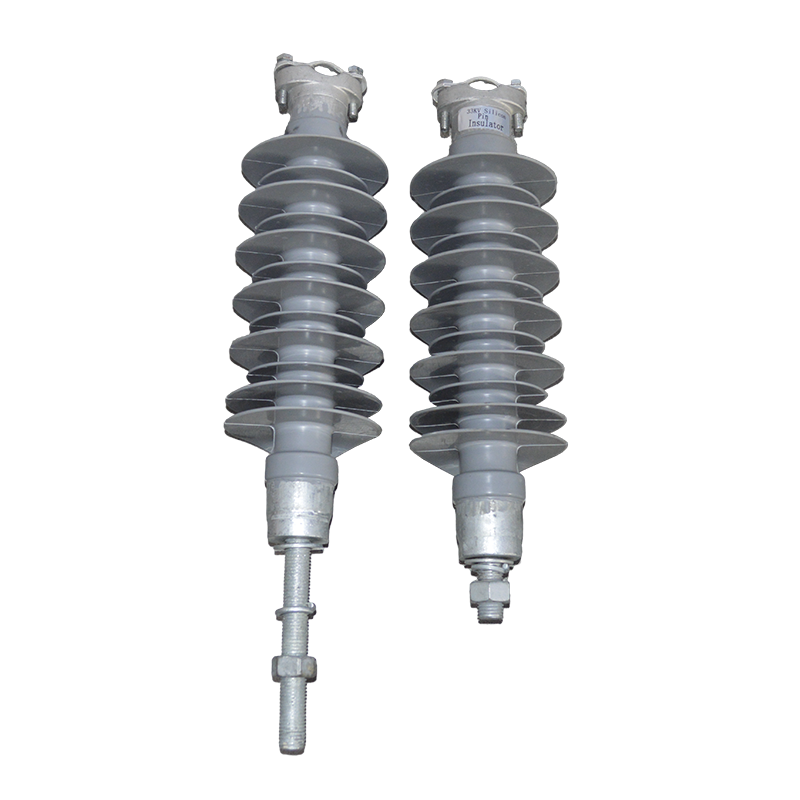
What are the types of polymeric insulators?
Composite polymer insulator technology has become a key part of modern power transmission because utilities need insulation that is lighter, safer in polluted areas, and easier to install than traditional porcelain or glass. In the last decade, grid operators have increased the use of polymer-based line hardware in harsh environments such as coastal zones, industrial corridors, and high-humidity
Oct. 13, 2026
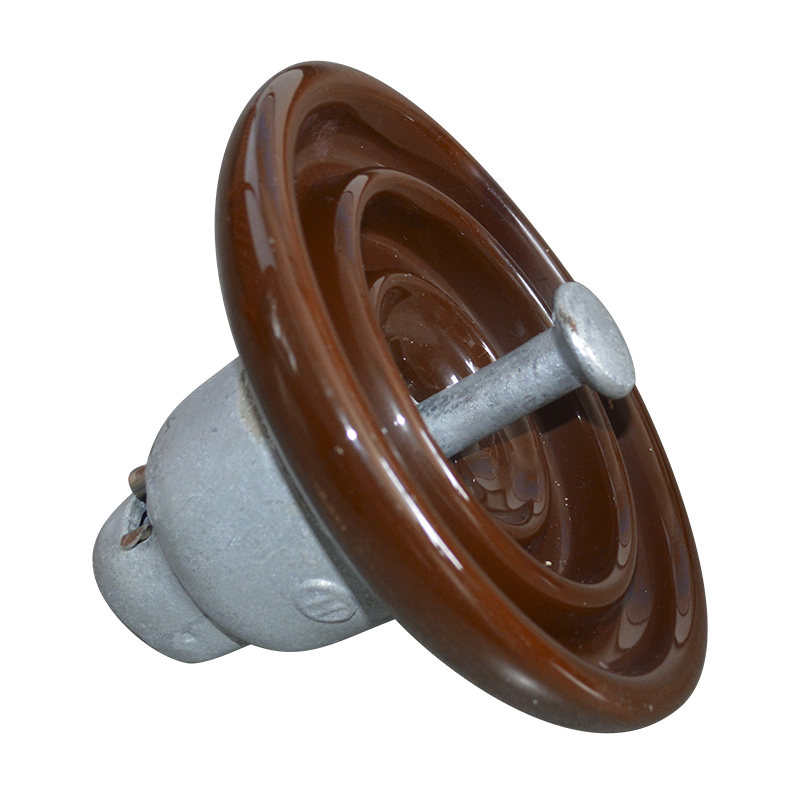
How do porcelain insulators compare to glass and polymeric insulators?
If you are choosing a Ceramic Porcelain Insulator for a substation, overhead line, or distribution network, the real question is usually not “Which material is best?” but “Which one is safest, easiest to maintain, and cheapest over the full service life?” In high-humidity corridors, coastal lines, and pollution-heavy industrial sites, porcelain insulators, glass insulators, and polymeric
Oct. 13, 2026
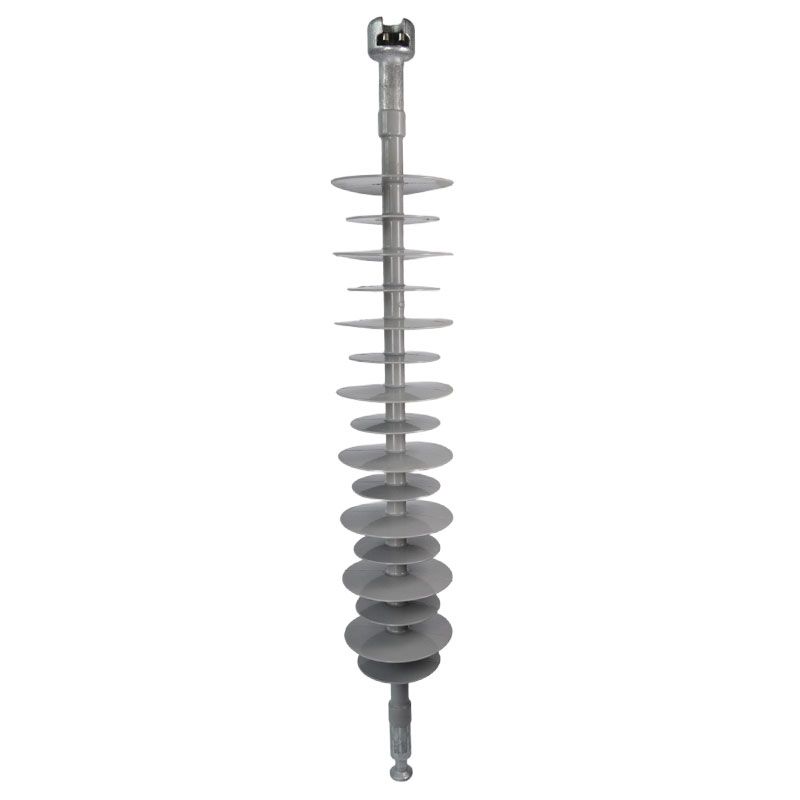
Do polymeric insulators meet international standards?
Polymeric insulators are electrical insulation devices made from silicone rubber, EPDM, or other high-performance polymers, designed to support and isolate conductors in overhead lines and substations. In practical use, a Polymeric Insulator helps utilities and industrial operators reduce outage risk, improve pollution flashover performance, and lower maintenance costs. For businesses, the value
Oct. 09, 2026
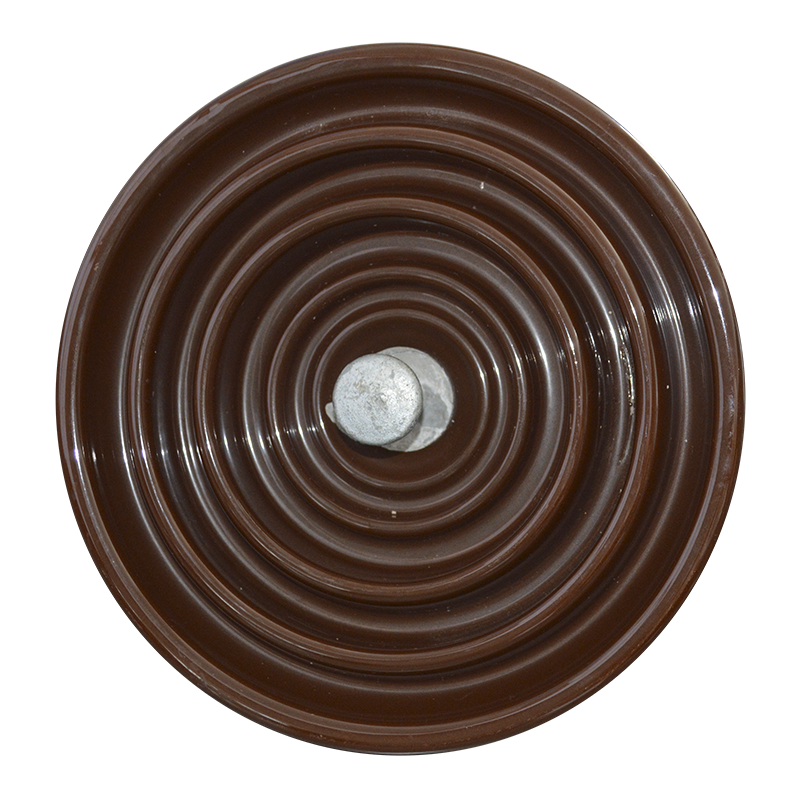
What are the disadvantages of porcelain insulators?
A Porcelain Insulator is a high-strength electrical insulating component made from fired ceramic materials, used to support and isolate conductors in power transmission, substations, rail traction, and distribution networks. In simple terms, it keeps electricity where it should be and helps equipment operate safely. For businesses, this matters because a reliable Ceramic Porcelain Insulator can
Oct. 13, 2026
What are the advantages of glass insulators?
Glass power line insulators are key parts of overhead transmission and distribution systems. They keep current where it belongs and help wires stay safely separated from towers and poles. For utilities, this matters because one failed insulator can trigger outage risk, maintenance cost, and service interruption. For project teams and buyers, the real question is not just “what is it?” but
Sep. 04, 2026
Are polymeric insulators resistant to pollution and salt fog?
A Polymeric Insulator is a lightweight composite insulation device made from a fiberglass core, silicone rubber housing, and metal end fittings. In practical power-grid applications, it is used to support and isolate conductors on transmission and distribution lines while resisting environmental stress such as contamination, moisture, and UV aging. For utilities and EPC contractors, this matters
Sep. 03, 2026
How do glass insulators differ from porcelain and polymeric insulators?
Glass Insulators are widely used in power transmission and distribution networks because they are easy to inspect, cost-effective in many applications, and offer strong long-term performance when selected correctly. If you are comparing Glass Insulators with porcelain and polymeric options, the real question is not only material difference, but als
Sep. 02, 2026
What materials are used in polymeric insulators?
The Composite polymer insulator has become an important part of modern power transmission and distribution systems. As grids move toward higher voltage levels and harsher outdoor environments, utilities need insulation that is lighter, safer, and easier to maintain. A polymeric insulator helps solve real field problems such as flashover in pollution, broken porcelain caused by impact, and high
Sep. 01, 2026

The principle of zinc oxide arrester
The core component is a zinc oxide (ZnO) resistor varistor, whose internal grains exhibit nonlinear volt-ampere characteristics:
Aug. 14, 2026

What are the advantages of porcelain insulators?
Ceramic Porcelain Insulator is a core part of modern power transmission and distribution systems. It helps lines stay safe, stable, and insulated under rain, dust, heat, and mechanical stress. In today’s grid, the need for a reliable porcelain insulator for power lines, a high voltage ceramic porcelain insulator, and a durable electrical porcelai
Aug. 07, 2026