Jul. 23, 2026
Recently, a team of technical experts from Togo, Nigeria, and Timor-Leste visited North China Electric Power University (Baoding Campus) to conduct technical exchanges on medium and low voltage power grid construction and power equipment adaptation, deepening international cooperation in the field of electric power and energy under the Belt and Road Initiative. At the exchange meeting, Chinese and foreign technical personnel focused on in-depth discussions regarding the pain points in the development of regional power grids in West Africa and Southeast Asia. In response to the complex working conditions in coastal areas of Nigeria and Togo, such as salt spray corrosion and frequent strong lightning strikes, both parties focused on exploring the selection criteria, anti-corrosion and anti-pollution technologies, and operation and maintenance plans for core equipment such as 33KV distribution network lightning arresters and insulators. At the same time, considering the upgrading needs of rural power grids in East Timor, practical technologies such as the localization and adaptation of medium-voltage distribution equipment, power grid lightning protection and disaster mitigation, and the renovation of old lines were exchanged. Our technical staff, leveraging their practical experience from overseas projects, shared information on the international standard compatibility, type test parameters, and overseas project implementation cases of domestic 33KV power equipment. They also addressed core issues raised by foreign experts, including equipment weather resistance, fault protection, and daily operation and maintenance. The foreign team highly recognized the advantages of domestic power equipment in terms of cost-effectiveness and environmental adaptability, laying a technical foundation for subsequent equipment procurement and project cooperation. This international technical exchange between schools and enterprises has established a high-quality platform for the mutual exchange of Chinese and foreign power technologies, effectively aiding domestic power equipment in expanding into overseas markets in West Africa and Southeast Asia. It promotes the export of high-quality power technologies and equipment, and supports the upgrading and construction of power grid infrastructure in countries along the Belt and Road Initiative.
Latest News
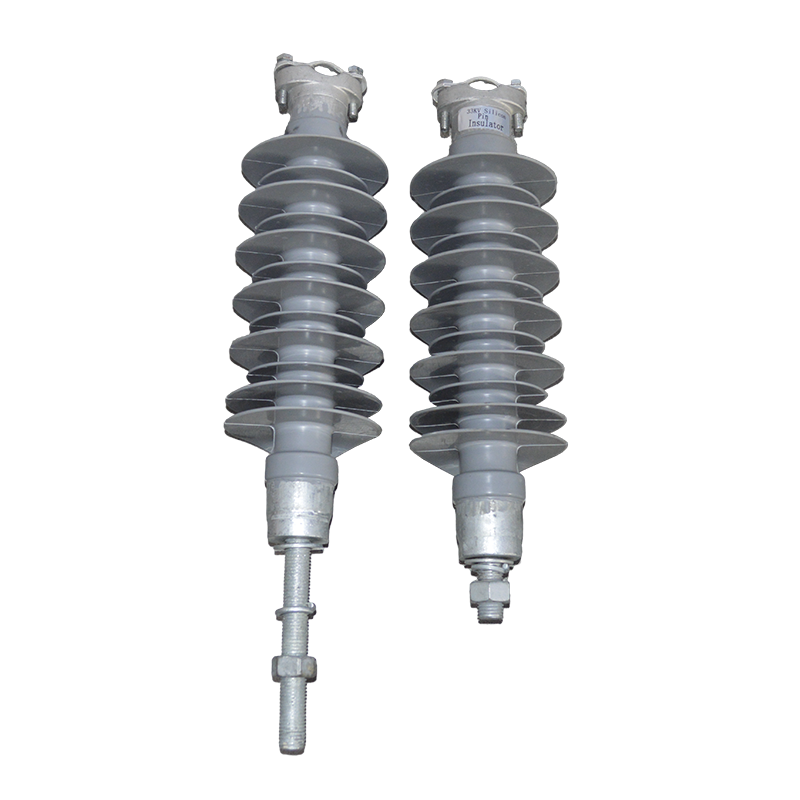
What are the types of polymeric insulators?
Composite polymer insulator technology has become a key part of modern power transmission because utilities need insulation that is lighter, safer in polluted areas, and easier to install than traditional porcelain or glass. In the last decade, grid operators have increased the use of polymer-based line hardware in harsh environments such as coastal zones, industrial corridors, and high-humidity
Oct. 13, 2026
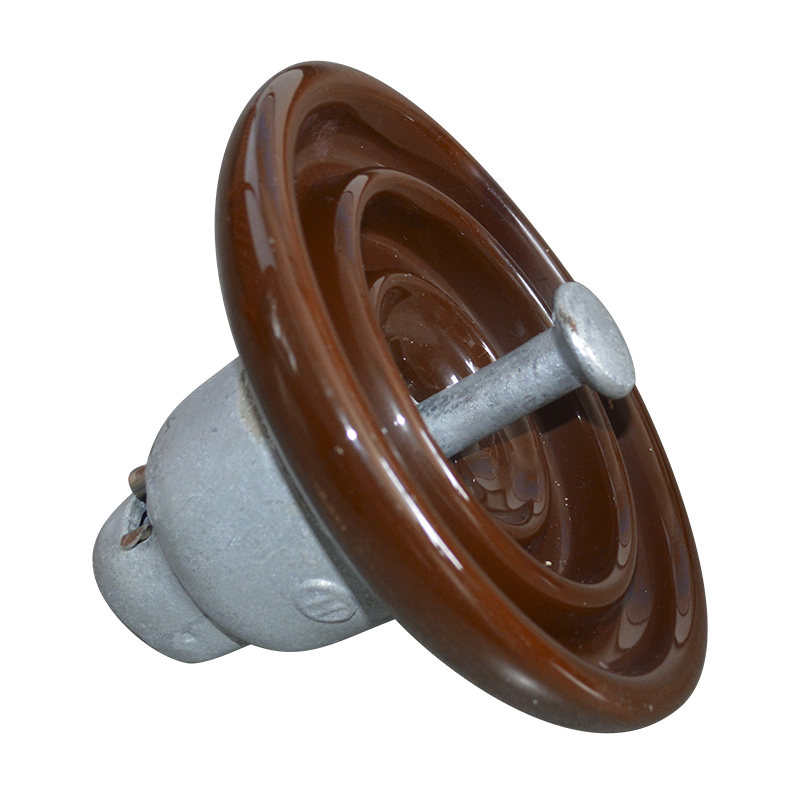
How do porcelain insulators compare to glass and polymeric insulators?
If you are choosing a Ceramic Porcelain Insulator for a substation, overhead line, or distribution network, the real question is usually not “Which material is best?” but “Which one is safest, easiest to maintain, and cheapest over the full service life?” In high-humidity corridors, coastal lines, and pollution-heavy industrial sites, porcelain insulators, glass insulators, and polymeric
Oct. 13, 2026
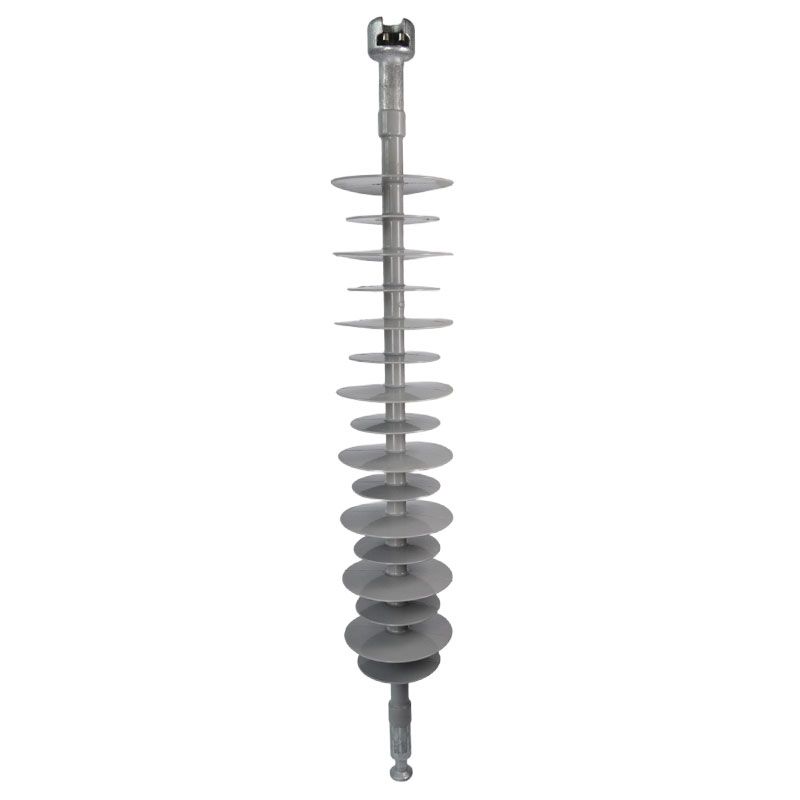
Do polymeric insulators meet international standards?
Polymeric insulators are electrical insulation devices made from silicone rubber, EPDM, or other high-performance polymers, designed to support and isolate conductors in overhead lines and substations. In practical use, a Polymeric Insulator helps utilities and industrial operators reduce outage risk, improve pollution flashover performance, and lower maintenance costs. For businesses, the value
Oct. 09, 2026
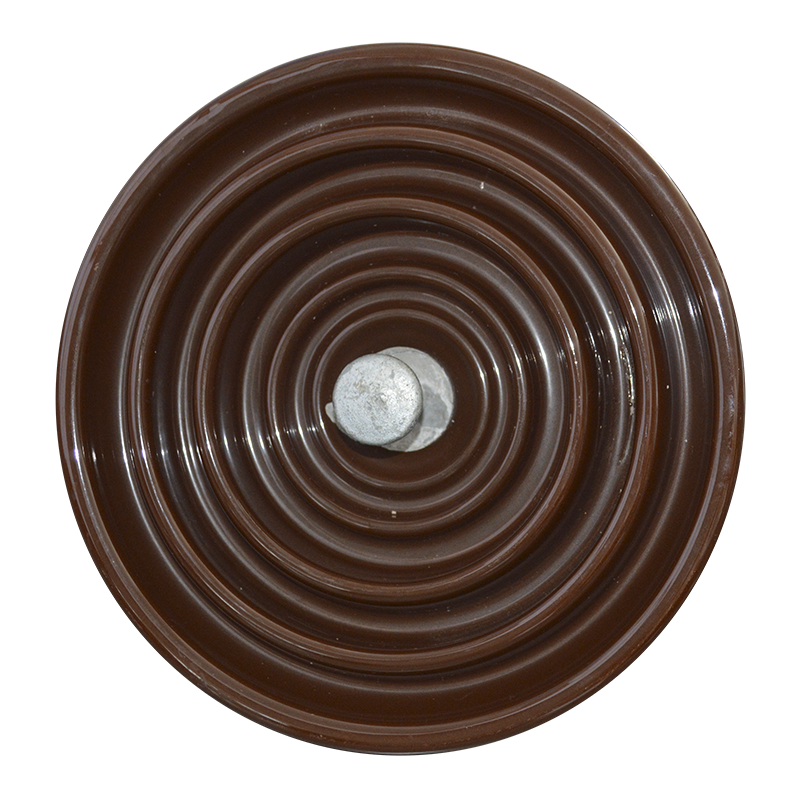
What are the disadvantages of porcelain insulators?
A Porcelain Insulator is a high-strength electrical insulating component made from fired ceramic materials, used to support and isolate conductors in power transmission, substations, rail traction, and distribution networks. In simple terms, it keeps electricity where it should be and helps equipment operate safely. For businesses, this matters because a reliable Ceramic Porcelain Insulator can
Oct. 13, 2026
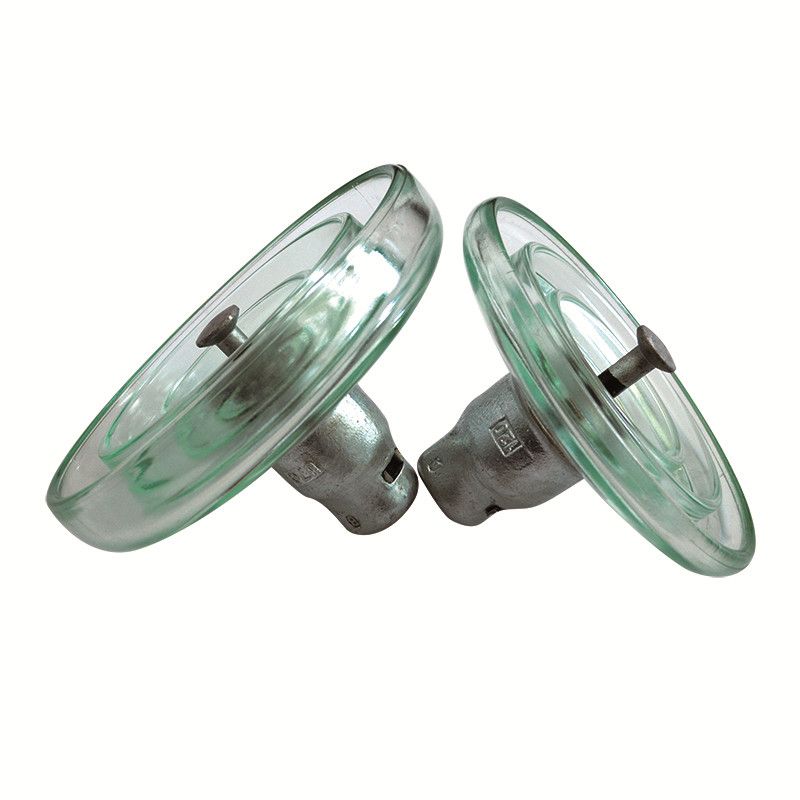
What are the advantages of glass insulators?
Glass power line insulators are key parts of overhead transmission and distribution systems. They keep current where it belongs and help wires stay safely separated from towers and poles. For utilities, this matters because one failed insulator can trigger outage risk, maintenance cost, and service interruption. For project teams and buyers, the real question is not just “what is it?” but
Sep. 04, 2026
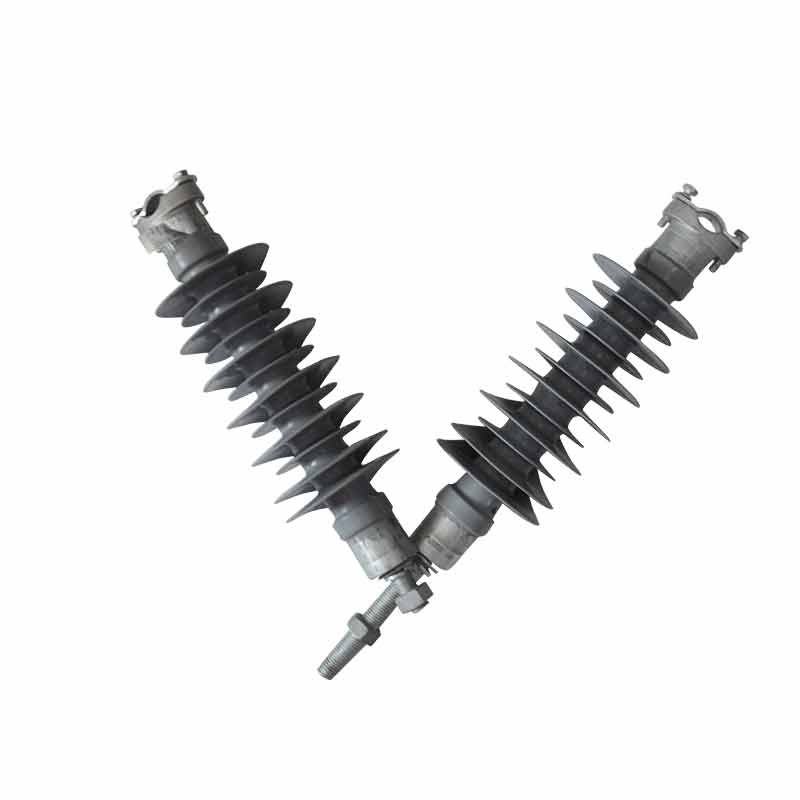
Are polymeric insulators resistant to pollution and salt fog?
A Polymeric Insulator is a lightweight composite insulation device made from a fiberglass core, silicone rubber housing, and metal end fittings. In practical power-grid applications, it is used to support and isolate conductors on transmission and distribution lines while resisting environmental stress such as contamination, moisture, and UV aging. For utilities and EPC contractors, this matters
Sep. 03, 2026
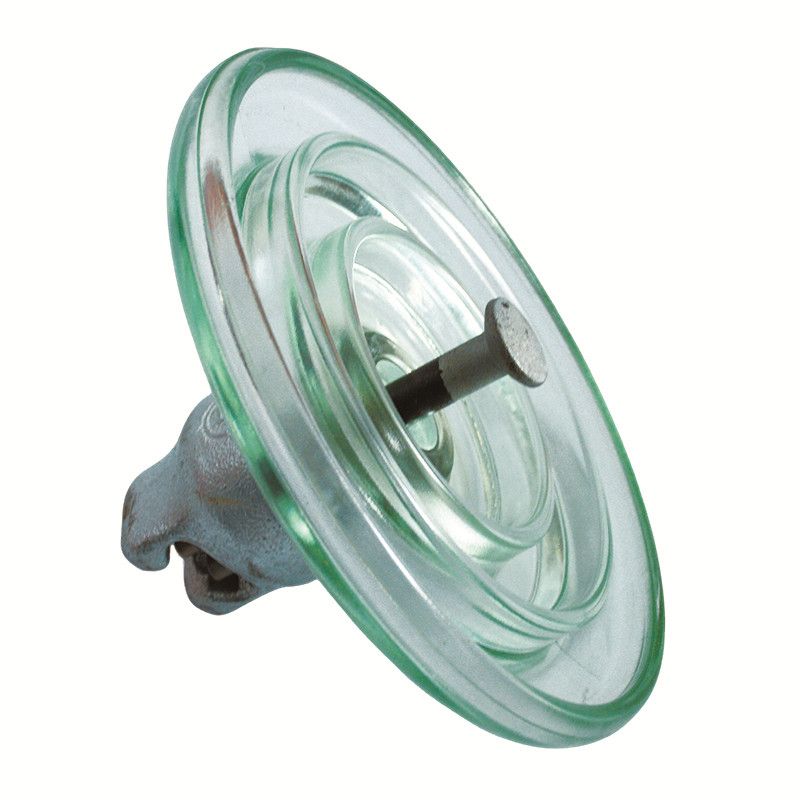
How do glass insulators differ from porcelain and polymeric insulators?
Glass Insulators are widely used in power transmission and distribution networks because they are easy to inspect, cost-effective in many applications, and offer strong long-term performance when selected correctly. If you are comparing Glass Insulators with porcelain and polymeric options, the real question is not only material difference, but als
Sep. 02, 2026
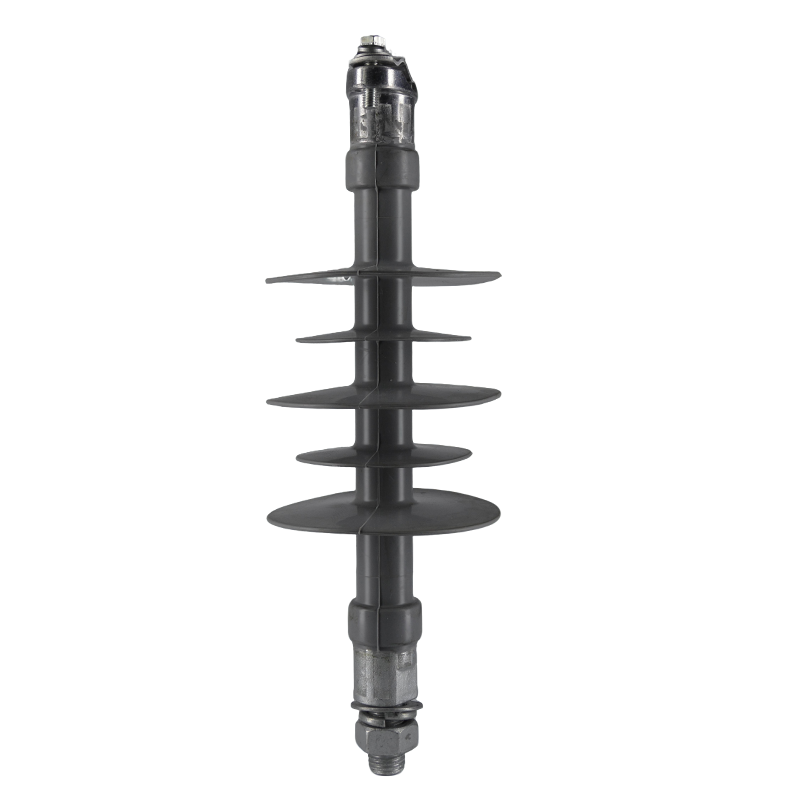
What materials are used in polymeric insulators?
The Composite polymer insulator has become an important part of modern power transmission and distribution systems. As grids move toward higher voltage levels and harsher outdoor environments, utilities need insulation that is lighter, safer, and easier to maintain. A polymeric insulator helps solve real field problems such as flashover in pollution, broken porcelain caused by impact, and high
Sep. 01, 2026

The principle of zinc oxide arrester
The core component is a zinc oxide (ZnO) resistor varistor, whose internal grains exhibit nonlinear volt-ampere characteristics:
Aug. 14, 2026

What are the advantages of porcelain insulators?
Ceramic Porcelain Insulator is a core part of modern power transmission and distribution systems. It helps lines stay safe, stable, and insulated under rain, dust, heat, and mechanical stress. In today’s grid, the need for a reliable porcelain insulator for power lines, a high voltage ceramic porcelain insulator, and a durable electrical porcelai
Aug. 07, 2026