Nov. 21, 2025
Corrosion on overhead line fittings is a pervasive issue that can lead to increased maintenance costs and service interruptions. Many operators working in energy transmission question: "How can I prevent this?" Every overhead line fittings supplier understands that moisture, environmental pollutants, and electrochemical interactions can degrade these fittings over time. Thus, a structured approach to corrosion prevention is essential, exposing the underlying intentions and needs that drive these inquiries. In this article, we reveal effective strategies to mitigate corrosion, ensuring longevity in overhead line systems, while sharing real experiences from industry users.
To effectively prevent corrosion on overhead line fittings, one must arm themselves with the right tools, materials, and techniques. Here’s a detailed rundown:
Assessment Tools: Utilize corrosion inspection tools such as ultrasonic thickness gauges, which provide durability readings to detect early signs of corrosion.
Protective Coatings: Obtain an appropriate protective coating specifically designed for outdoor use, such as zinc-rich paints or specialized epoxy resins. These can typically reduce corrosion rates by as much as 60%.
Hardware Installation: Gather stainless steel or corrosion-resistant fasteners, which can withstand harsh environmental conditions.
Safety Equipment: Prepare safety gear including gloves and eye protection to safely handle materials and chemicals.
Before applying any protective measures, conduct a thorough inspection of your overhead line fittings using ultrasound tools. Document any areas showing signs of corrosion, evaluating the thickness of metal components.
Remove all dirt, grease, and existing rust from the fittings using a power washer or wire brush. Ensure surfaces are properly dried post-cleaning to facilitate better adhesion for protective coatings.
Coat the fittings with your selected protective material, ensuring even coverage. For example, zinc-rich coatings can provide sacrificial protection, significantly enhancing the lifespan of the fittings. Application should follow manufacturer specifications, with some coatings needing two hours to dry per coat.
Consider integrating corrosion inhibitors in your maintenance routine. These chemicals bond with the metal surface, reducing the electrochemical reactions that lead to corrosion. A regular application can decrease corrosion rates by up to 70%.
Create a proactive maintenance schedule. Regularly inspect fittings every six months, particularly in areas known for high humidity or pollution. Documentation of each inspection can help identify patterns regarding corrosion.
Despite the best preparations, certain mistakes in corrosion prevention often occur:
Insufficient Surface Cleaning: Not fully cleaning the surface can lead to reduced protective coating adhesion. Always use appropriate cleaners and methods for complete removal.
Over-application of Coating: This can lead to cracking. Stick to the manufacturer’s guidelines on how many coats are needed for optimal protection.
Ignoring Environmental Factors: Different areas may require varied protection techniques based on specific environmental stressors. Ensure that the preventive measures fit local conditions.
Preventing corrosion on overhead line fittings is crucial for maintaining efficiency and minimizing costs. Key strategies include regular inspections, effective surface preparation, appropriate protective coatings, and proactive maintenance schedules. By following these guidelines, significant benefits such as extending the lifespan of fittings beyond the typical 10-year threshold can be realized.
Q: What types of fittings are most susceptible to corrosion?
A: Aluminum and bare steel fittings tend to be more prone to corrosion due to their chemical properties.
Q: How often should inspections occur?
A: Inspections are recommended every six months, or more frequently in harsh environmental conditions.
Q: Can I use regular paint as a protective coating?
A: No, regular paint is not formulated to withstand the specific adverse conditions typical for overhead line fittings. Specialized coatings are essential.
Through methods like those offered by ZheXi, you can effectively combat corrosion, ensuring that your overhead line fittings maintain operational integrity for years to come.
Latest News
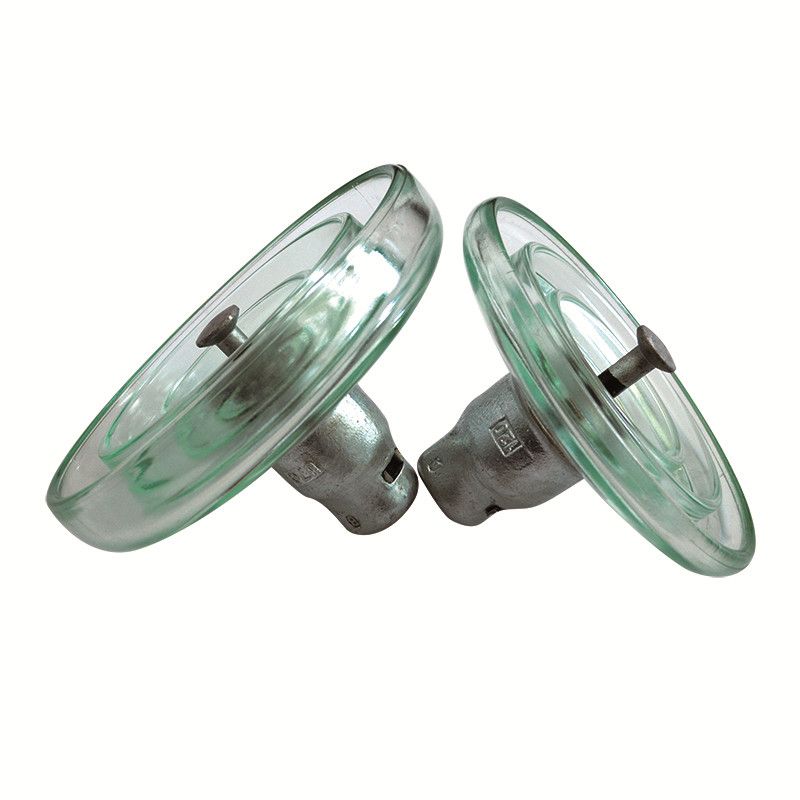
What are the advantages of glass insulators?
Glass power line insulators are key parts of overhead transmission and distribution systems. They keep current where it belongs and help wires stay safely separated from towers and poles. For utilities, this matters because one failed insulator can trigger outage risk, maintenance cost, and service interruption. For project teams and buyers, the real question is not just “what is it?” but
Sep. 04, 2026
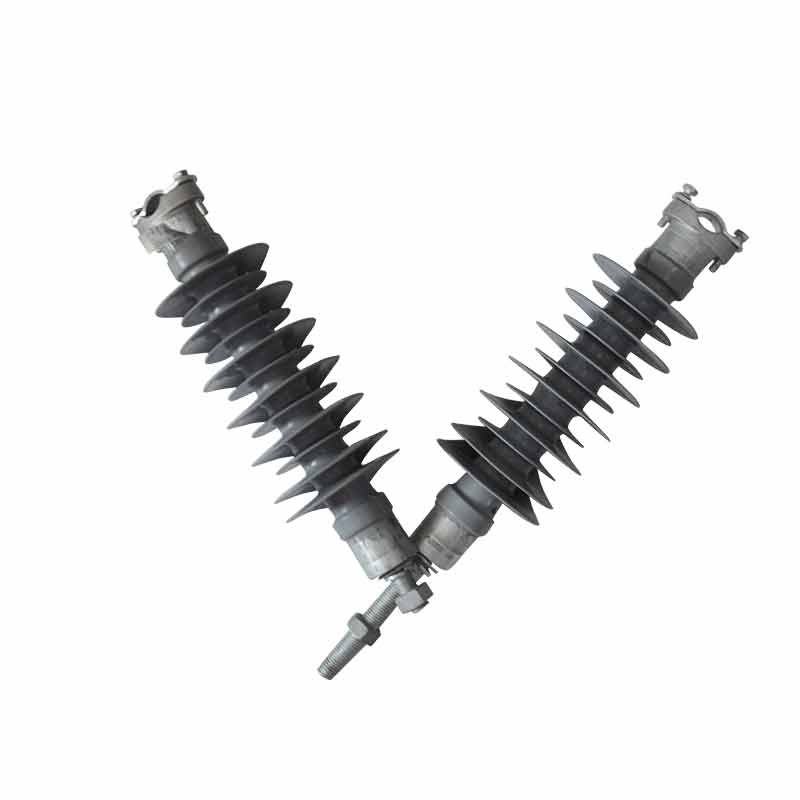
Are polymeric insulators resistant to pollution and salt fog?
A Polymeric Insulator is a lightweight composite insulation device made from a fiberglass core, silicone rubber housing, and metal end fittings. In practical power-grid applications, it is used to support and isolate conductors on transmission and distribution lines while resisting environmental stress such as contamination, moisture, and UV aging. For utilities and EPC contractors, this matters
Sep. 03, 2026
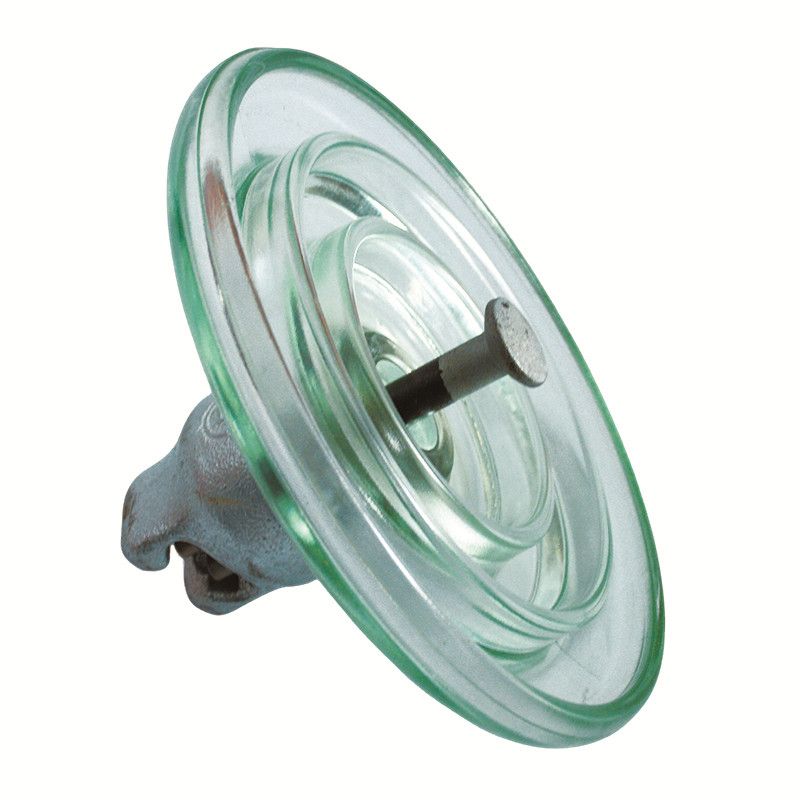
How do glass insulators differ from porcelain and polymeric insulators?
Glass Insulators are widely used in power transmission and distribution networks because they are easy to inspect, cost-effective in many applications, and offer strong long-term performance when selected correctly. If you are comparing Glass Insulators with porcelain and polymeric options, the real question is not only material difference, but als
Sep. 02, 2026
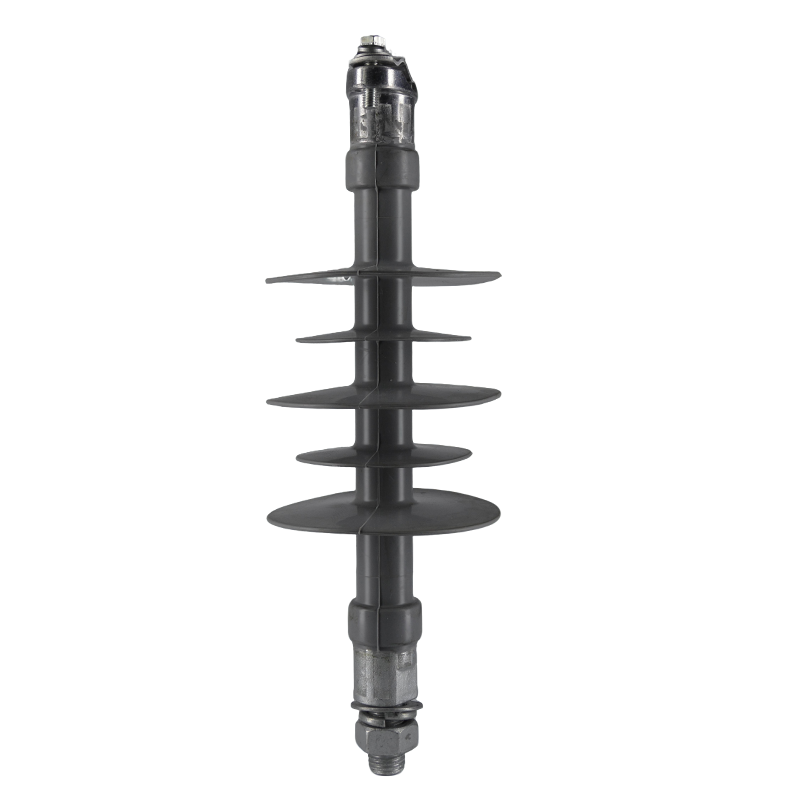
What materials are used in polymeric insulators?
The Composite polymer insulator has become an important part of modern power transmission and distribution systems. As grids move toward higher voltage levels and harsher outdoor environments, utilities need insulation that is lighter, safer, and easier to maintain. A polymeric insulator helps solve real field problems such as flashover in pollution, broken porcelain caused by impact, and high
Sep. 01, 2026

The principle of zinc oxide arrester
The core component is a zinc oxide (ZnO) resistor varistor, whose internal grains exhibit nonlinear volt-ampere characteristics:
Aug. 14, 2026

What are the advantages of porcelain insulators?
Ceramic Porcelain Insulator is a core part of modern power transmission and distribution systems. It helps lines stay safe, stable, and insulated under rain, dust, heat, and mechanical stress. In today’s grid, the need for a reliable porcelain insulator for power lines, a high voltage ceramic porcelain insulator, and a durable electrical porcelai
Aug. 07, 2026

Why are glass insulators used in power lines?
When a transmission line fails, the root cause is often not the conductor itself but the insulation system supporting it. A single flashover, contamination track, or mechanical crack in an insulator string can trigger an outage that cascades across feeders, increases outage minutes, and forces utilities into costly emergency dispatches. That is why
Aug. 06, 2026
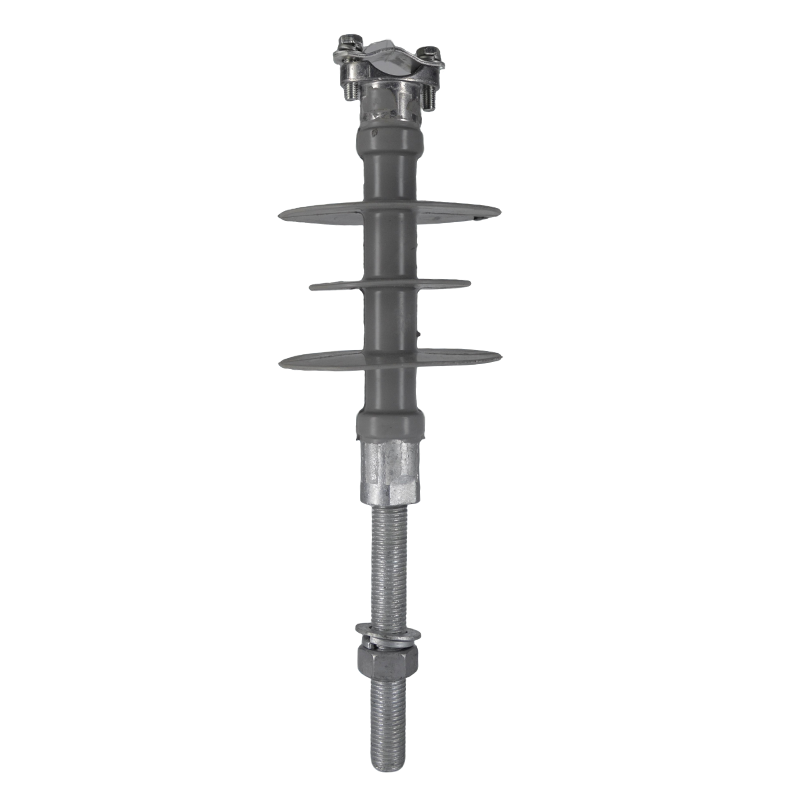
What are the main advantages of polymeric insulators?
Composite polymer insulator technology has become important in modern power grids because it helps utilities reduce outages, improve safety, and cut maintenance time. In the first 100 words, one thing is clear: Composite polymer insulator products solve real problems for lines that face pollution, salt fog, rain, and heavy vibration. For readers searching for polymeric insulator benefits,
Aug. 05, 2026
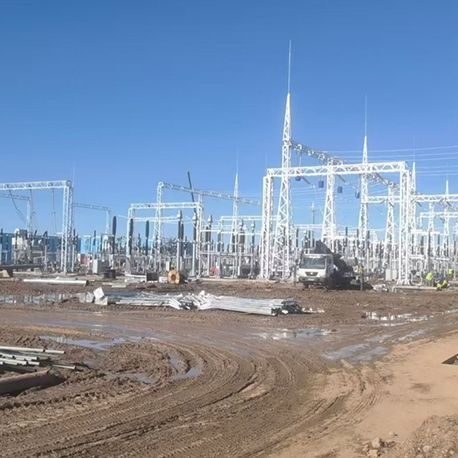
What standards do porcelain insulators comply with?
A porcelain insulator is an electrical insulation component made from high-strength ceramic material that prevents current leakage and supports conductors in power systems. In real projects, it is used on transmission lines, substations, rail electrification, and distribution networks to maintain insulation integrity, mechanical support, and long-term operational safety. For utilities and EPC
Aug. 04, 2026
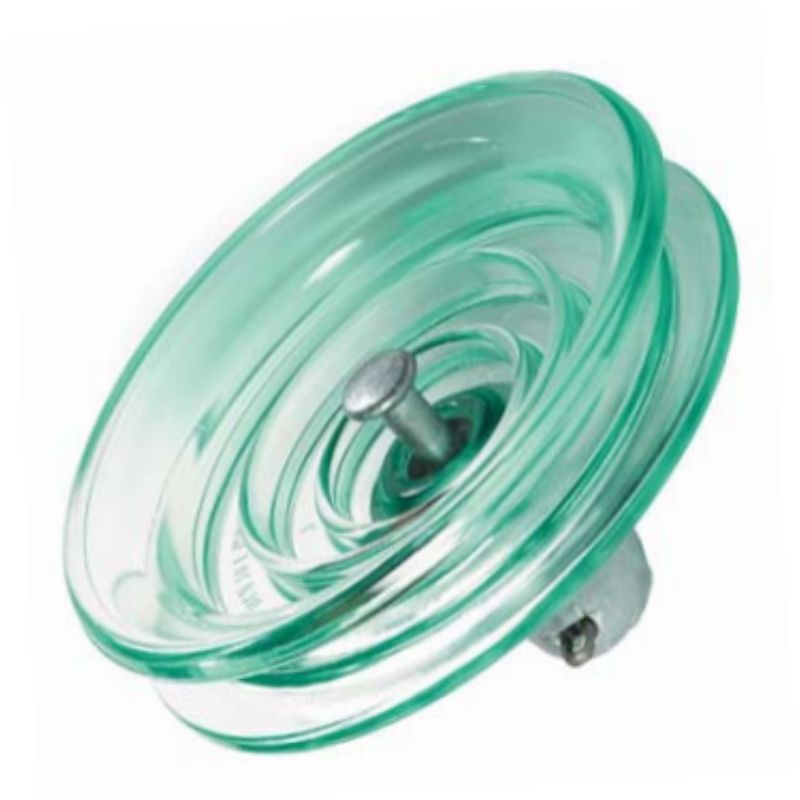
What materials are used in glass insulators?
Glass power line insulators are a key part of modern overhead power systems. They keep high-voltage conductors safely separated from towers and poles, so electricity can travel long distances without leakage or short circuits. In simple terms, they help power lines stay stable, safe, and efficient.
Jul. 29, 2026