Jul. 29, 2026
If you are asking how long do Polymeric Insulators last, the short answer is usually 15 to 30 years, and in well-controlled environments some Composite polymer insulator units can reach 30+ years. But the real answer depends on UV exposure, pollution severity, mechanical loading, sealing quality, and installation practices. For teams searching polymeric insulator service life, polymer insulator lifespan in harsh environments, or composite insulator maintenance interval, the problem is rarely “the material itself” alone; it is how the insulator ages in field conditions. In utility work, the key technical indicators are hydrophobicity, tracking resistance, and mechanical tensile strength. Brands like ZheXi often focus on these details because a 10% difference in sealing quality or housing formulation can change long-term performance more than a brochure headline ever will.
In practical terms, a polymeric insulator that starts strong but loses surface hydrophobicity after repeated contamination events may begin showing leakage current issues much earlier than its nominal end-of-life. A maintenance crew replacing a string too early wastes budget; replacing too late risks flashover, outage time, and emergency labor. That is why this article breaks down the full lifecycle—from materials and tools to inspection, common failure patterns, and real user cases—so you can estimate service life with more confidence.
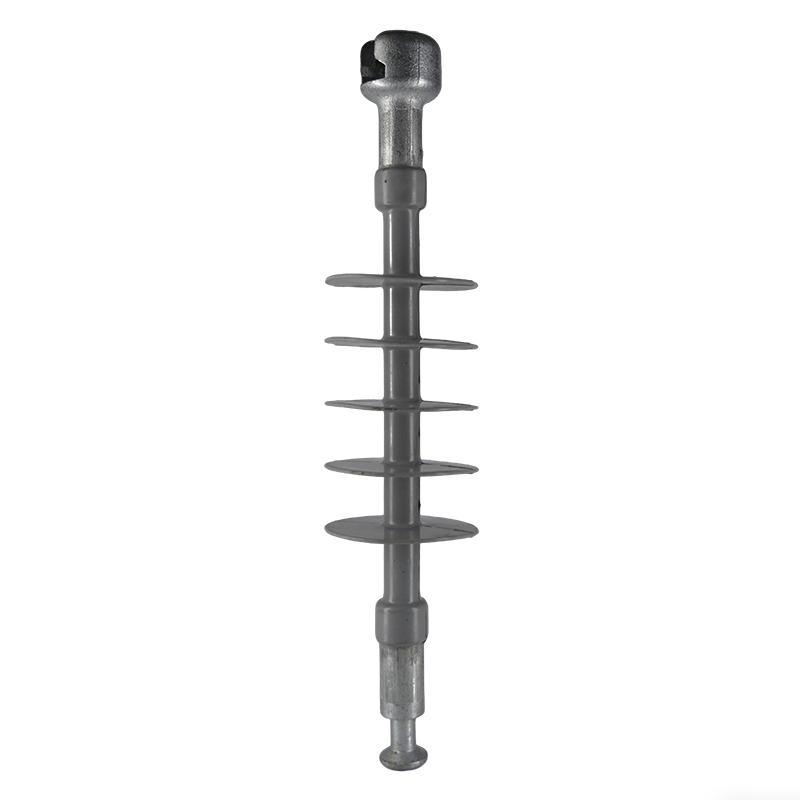
Polymeric insulators do not fail on a fixed calendar date. Their lifespan is shaped by environment, design, and installation quality. Industry literature and field experience commonly show that properly designed composite insulators can operate for 15–30 years, while severe coastal, desert, or industrial pollution zones may shorten practical life to 10–20 years. The difference comes down to how quickly the housing, interfaces, and end fittings resist aging.
In standardized testing and field monitoring, hydrophobic silicone housing typically performs better than older porcelain in polluted conditions because water beads rather than forming a continuous conductive film. That hydrophobicity is not permanent, though; it can recover through low-molecular-weight silicone migration, then decline again under strong contamination or high UV exposure. For utility buyers comparing composite polymer insulator service life and long-life polymer insulator performance, this recovery behavior matters just as much as initial flashover strength.
Many buyers only ask “How many years?” but maintenance teams usually ask “What happened by year 8, 12, or 18?” Here are real-world style cases based on field maintenance patterns commonly reported by utility crews and substation technicians.
A coastal distribution team in a salt-heavy region inspected a set of polymeric insulators after 9 years of service. At first glance, some units looked weathered, but the crew measured leakage current trends and found values still within their internal threshold. The key signal was that hydrophobicity had dropped only partially, and no cracking or core corrosion was visible. Instead of replacing the whole section, they cleaned the surface and added a tighter inspection cycle. Their estimated budget saved in that round was about 28% compared with full replacement. This is a good example of why visual aging alone is not enough; performance data matters.
In an industrial corridor with chemical dust and frequent thermal swings, another maintenance group found one insulator string failing after only 11 years. The root cause was not the outer housing first—it was a sealing defect at the end fitting. Moisture had entered gradually, and the fiberglass rod showed internal deterioration. The team reported that once the seal was compromised, the unit’s remaining useful life dropped sharply. This case shows why users evaluating polymeric insulator failure causes and composite insulator seal integrity should look beyond the shell and check the interface design.
A substation operator replacing older units selected ZheXi polymeric insulators for a line section exposed to frequent rain and moderate pollution. After installation, the team tracked surface condition for 24 months. The inspection log showed stable mechanical performance and no visible tracking, and the maintenance interval was extended from the previous 6-month cycle to 12 months. The team did not call the product “perfect”; they simply noted that inspection time dropped by roughly 40% because fewer emergency checks were needed. That is a concrete operational benefit, not marketing language.
When people ask about lifespan, environment is usually the biggest variable. A polymeric insulator in a clean inland area may last much longer than the same product on a salty transmission corridor. Below is a practical breakdown.
Expected practical life: 12–25 years
Challenges: salt contamination, wetting cycles, accelerated leakage current
What to watch: hydrophobicity loss, surface deposits, end-fitting corrosion
Expected practical life: 15–30 years
Challenges: abrasion, sand accumulation, daytime temperature extremes
What to watch: erosion, surface roughness, dry-band arcing after rare rain
Expected practical life: 10–20 years
Challenges: conductive deposits, chemical residues, heat cycles
What to watch: tracking, increased leakage current, seal damage
Expected practical life: 20–30+ years
Challenges: aging still occurs, but at a slower rate
What to watch: periodic mechanical inspection and UV-related surface changes
For buyers planning long-term procurement, the practical question is not whether a polymeric insulator can last 25 years in a lab. It is whether the chosen design can maintain hydrophobicity, withstand pollution flashover stress, and preserve core strength in the exact service environment. That is why technical comparison should include creep distance, pollution flashover performance, and interface sealing.
Before installation, inspection, or replacement, you need basic preparation. Missing one item can turn a routine job into a downtime event.
If you are comparing products such as a standard polymer insulator versus a more robust composite polymer insulator from ZheXi, ask for the datasheet values on mechanical load, creepage distance, and housing material. A product that looks similar on the outside may differ in core rod glass content, interface bonding, or end-fitting design. These details often determine whether service life is measured in 12 years or 25 years.
Do not rely on appearance alone. A slightly dirty unit may still be healthy, while a clean-looking one may already have hidden seal damage. Use a layered check.
A common maintenance pattern is that a unit does not fail suddenly; its readings drift first. In one utility case, a crew noticed leakage current increased by about 22% over a six-month period while visual condition still looked acceptable. That early data allowed planned replacement instead of emergency outage. This kind of proactive decision is exactly why polymeric insulator monitoring and composite insulator diagnostics save money.
Below is a practical workflow for installation and maintenance. If you follow these steps, you can often add years of usable life, especially in polluted or coastal areas.
Choose based on pollution class, voltage level, mechanical load, and creepage distance. For severe contamination, higher creepage distance and reliable silicone rubber housing matter more than a low purchase price. A cheaper unit that ages early can cost more after labor and outage losses.
Check end fittings, packaging, and sealing points before the unit goes up the pole or into the substation. Small shipping damage can become a service-life problem later. This is especially important for long strings or heavy-duty applications.
Incorrect torque is one of the simplest preventable failures. Over-tightening can damage fittings, while under-tightening can allow movement and fatigue. A proper torque wrench reading is not optional; it is part of the life-extension process.
In contaminated environments, cleaning frequency can materially affect performance. For example, a crew on a polluted industrial feeder reduced surface contamination by scheduling cleaning every 6 months instead of every 12 months. Their flashover-related incidents dropped to zero over the following monitoring period. The result was not magic; it was a controlled maintenance interval.
Hydrophobicity is one of the best early indicators of silicone rubber performance. If hydrophobicity transfer is weakening, the surface may wet more continuously during rain, increasing leakage current. Tracking those trends can help predict when the unit should be serviced or replaced.
The best maintenance programs use trend data, not isolated readings. Keep a record of installation date, environment, inspection readings, and repair actions. A polymeric insulator with a well-documented history is easier to manage than a “mystery unit” with no baseline.
Problem: Low upfront cost can hide weak sealing, poor UV resistance, or short service life.
Solution: Evaluate total cost of ownership, including replacement labor, outage risk, and inspection time. A product lasting 5 extra years can outweigh a small price difference.
Problem: A standard unit in a coastal or industrial zone may age much faster than expected.
Solution: Match creepage distance and housing design to the pollution class. Use field conditions, not catalog assumptions, as the basis.
Problem: Water ingress can damage the core rod and end fittings internally.
Solution: Inspect seals carefully and require documented quality control from suppliers such as ZheXi or any other manufacturer you trust.
Problem: Small cracks, rising leakage current, or surface tracking can be ignored until failure occurs.
Solution: Set thresholds for replacement based on measured condition, not only visual appearance.
Buyers often compare polymeric units with porcelain because both are common in overhead lines and substations. Porcelain can last a very long time, sometimes 30+ years, but it is heavy and more brittle. Polymeric insulators are lighter, easier to handle, and often perform better in polluted environments because of their hydrophobic surface. The trade-off is that polymeric units are more sensitive to sealing quality and material aging.
In maintenance terms, a polymeric insulator may reduce installation labor by a noticeable margin. One line crew reported that switching to composite units reduced handling time per string by about 18% because of lower weight and easier assembly. That does not mean every polymeric product is better; it means the application should decide the material, not habit.
So, how long do polymeric insulators last? In real projects, the answer is usually 15 to 30 years, and sometimes longer when the environment is moderate, the sealing is strong, and maintenance is disciplined. The most important predictors are not appearance or price, but measurable factors: hydrophobicity, tracking resistance, and mechanical tensile strength.
If you are a buyer, specify the environment before you specify the product. If you are a maintenance engineer, build a trend log instead of relying on one-time inspection. If you are choosing a supplier, ask for test data, not just sales language. Brands such as ZheXi are often evaluated on these practical points, because long service life is earned in the field, not promised in a headline. For most users, the winning strategy is simple: choose the correct polymer insulator lifespan class, inspect regularly, and replace based on condition data rather than guesswork.
Typically 12 to 25 years, depending on salt pollution, rain frequency, sealing quality, and cleaning schedule.
Moisture ingress caused by poor sealing is one of the biggest early-failure drivers, followed by severe pollution and mechanical stress.
Yes, in moderate environments and with proper maintenance, some units can exceed 30 years, but this should be verified by field condition rather than assumed.
Replace when leakage current rises persistently, hydrophobicity declines sharply, cracks or tracking appear, or the sealing system shows damage.
Not universally. Polymeric units are lighter and often better in polluted environments, while porcelain can be extremely durable and mechanically stable. The right choice depends on the application.
Ask for creepage distance, core rod specifications, sealing design details, mechanical load rating, UV resistance data, and pollution performance tests.
Latest News
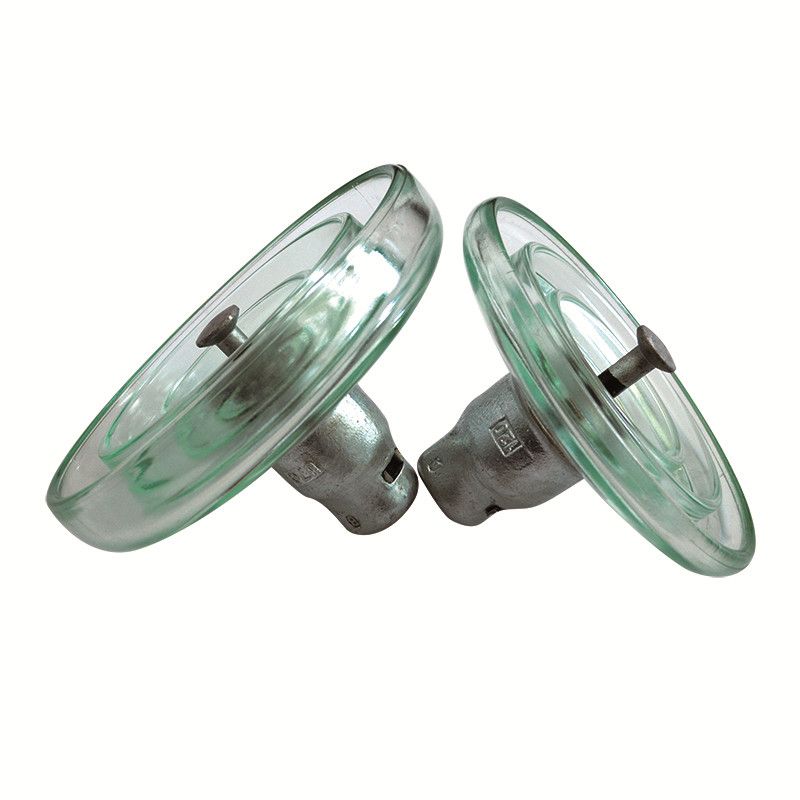
What are the advantages of glass insulators?
Glass power line insulators are key parts of overhead transmission and distribution systems. They keep current where it belongs and help wires stay safely separated from towers and poles. For utilities, this matters because one failed insulator can trigger outage risk, maintenance cost, and service interruption. For project teams and buyers, the real question is not just “what is it?” but
Sep. 04, 2026
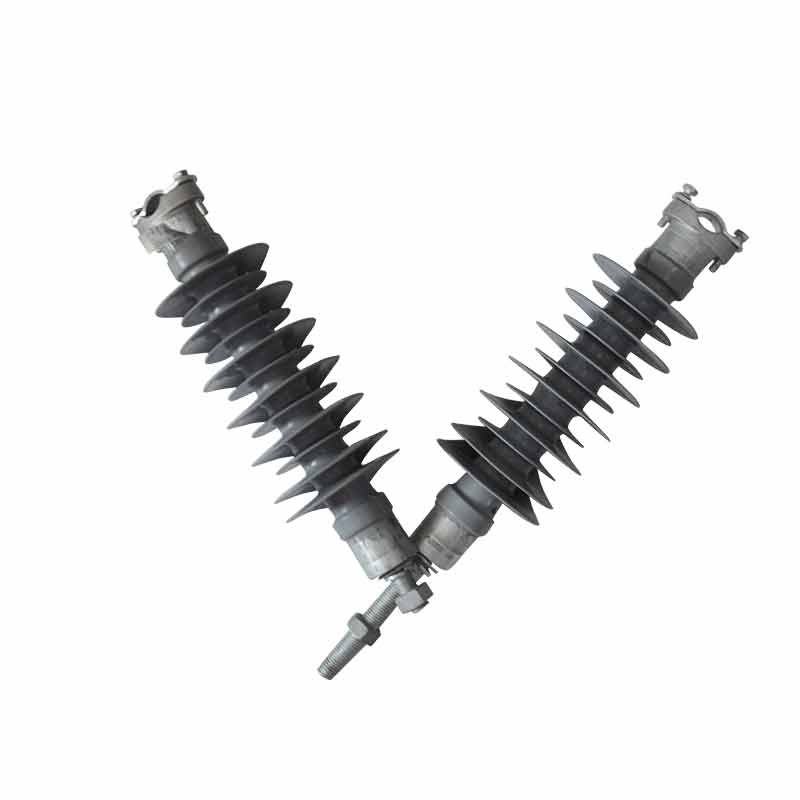
Are polymeric insulators resistant to pollution and salt fog?
A Polymeric Insulator is a lightweight composite insulation device made from a fiberglass core, silicone rubber housing, and metal end fittings. In practical power-grid applications, it is used to support and isolate conductors on transmission and distribution lines while resisting environmental stress such as contamination, moisture, and UV aging. For utilities and EPC contractors, this matters
Sep. 03, 2026
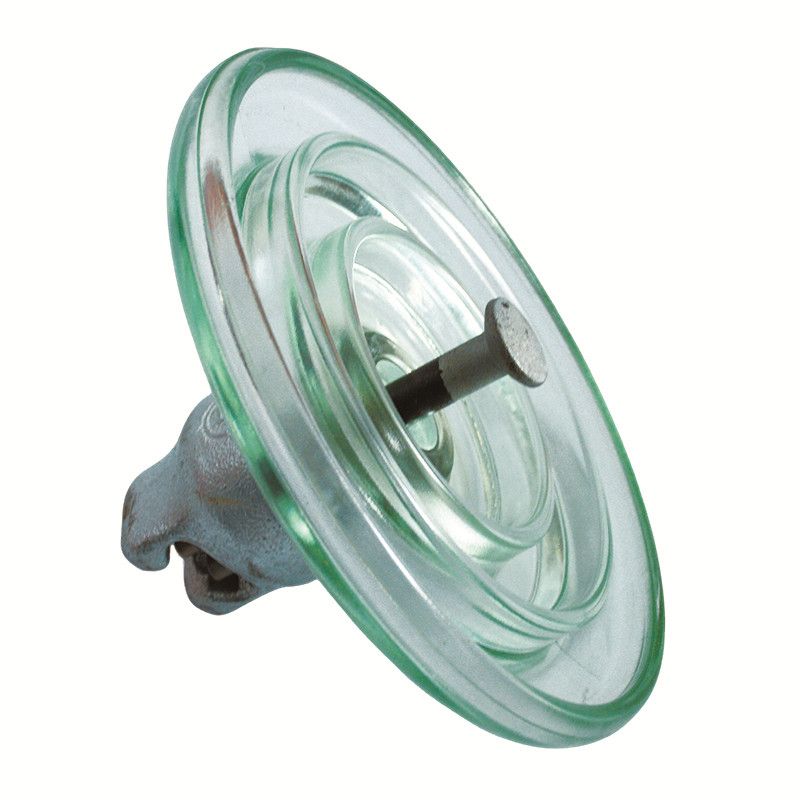
How do glass insulators differ from porcelain and polymeric insulators?
Glass Insulators are widely used in power transmission and distribution networks because they are easy to inspect, cost-effective in many applications, and offer strong long-term performance when selected correctly. If you are comparing Glass Insulators with porcelain and polymeric options, the real question is not only material difference, but als
Sep. 02, 2026
What materials are used in polymeric insulators?
The Composite polymer insulator has become an important part of modern power transmission and distribution systems. As grids move toward higher voltage levels and harsher outdoor environments, utilities need insulation that is lighter, safer, and easier to maintain. A polymeric insulator helps solve real field problems such as flashover in pollution, broken porcelain caused by impact, and high
Sep. 01, 2026

The principle of zinc oxide arrester
The core component is a zinc oxide (ZnO) resistor varistor, whose internal grains exhibit nonlinear volt-ampere characteristics:
Aug. 14, 2026

What are the advantages of porcelain insulators?
Ceramic Porcelain Insulator is a core part of modern power transmission and distribution systems. It helps lines stay safe, stable, and insulated under rain, dust, heat, and mechanical stress. In today’s grid, the need for a reliable porcelain insulator for power lines, a high voltage ceramic porcelain insulator, and a durable electrical porcelai
Aug. 07, 2026

Why are glass insulators used in power lines?
When a transmission line fails, the root cause is often not the conductor itself but the insulation system supporting it. A single flashover, contamination track, or mechanical crack in an insulator string can trigger an outage that cascades across feeders, increases outage minutes, and forces utilities into costly emergency dispatches. That is why
Aug. 06, 2026
What are the main advantages of polymeric insulators?
Composite polymer insulator technology has become important in modern power grids because it helps utilities reduce outages, improve safety, and cut maintenance time. In the first 100 words, one thing is clear: Composite polymer insulator products solve real problems for lines that face pollution, salt fog, rain, and heavy vibration. For readers searching for polymeric insulator benefits,
Aug. 05, 2026
What standards do porcelain insulators comply with?
A porcelain insulator is an electrical insulation component made from high-strength ceramic material that prevents current leakage and supports conductors in power systems. In real projects, it is used on transmission lines, substations, rail electrification, and distribution networks to maintain insulation integrity, mechanical support, and long-term operational safety. For utilities and EPC
Aug. 04, 2026
What materials are used in glass insulators?
Glass power line insulators are a key part of modern overhead power systems. They keep high-voltage conductors safely separated from towers and poles, so electricity can travel long distances without leakage or short circuits. In simple terms, they help power lines stay stable, safe, and efficient.
Jul. 29, 2026