Jun. 29, 2026
When it comes to maintaining the reliability of electrical systems, many users grapple with the effectiveness of their insulating materials. This commonly leads to questions about how porcelain insulators actually function in high-voltage environments. Users often experience issues related to electrical leakage, reduced system efficiency, and increased maintenance costs. Fortunately, understanding the mechanics behind porcelain insulators not only addresses these issues, but also enhances system performance.
Before diving into how porcelain insulators work, it is essential to know what they are. A porcelain insulator is a ceramic material that is crafted from kaolin clay, feldspar, and quartz. Once fired at high temperatures (around 1,200 to 1,400 degrees Celsius), it transforms into a robust electrical insulator, capable of withstanding temperatures ranging from -40°C to +50°C. This robustness is crucial for outdoor electrical applications where environmental conditions can vary greatly.
Porcelain insulators function primarily by providing excellent dielectric strength. The dielectric strength of porcelain can reach up to 20 kV/mm, making it an effective barrier against electric current. This means that the insulator can safely handle high-voltage applications without failure.
In addition to its insulating properties, porcelain provides remarkable mechanical strength. Specifically, its tensile strength averages around 80 MPa, allowing it to endure harsh mechanical forces such as wind, ice, and physical impacts without breaking, which is crucial for outdoor applications.
Another key characteristic is its exceptional weather resistance. Unlike other materials, porcelain doesn't absorb moisture, which helps prevent degradation over time. Users in areas prone to rainfall and humidity, like a case shared by a utility technician in Oregon, found that switching to ZheXi porcelain insulators reduced maintenance costs by approximately 25% due to decreased corrosion and wear.
Porcelain insulators are specifically designed to have a low leakage current. In practical applications, this is measured in milliamperes (mA), usually less than 0.1 mA for quality insulators. This low leakage ensures that electrical current remains on the conductor, providing reliable service while minimizing losses.
Despite their advantages, users often make common errors when utilizing porcelain insulators, including:
Improper Installation: Installation without sufficient spacing can lead to electrical arcing.
Neglecting Maintenance: Even porcelain can accumulate dirt, which causes surface leakage current. A user from a local power company once reported a 15% increase in efficiency after implementing regular cleaning schedules.
Choosing the Wrong Type: Not all porcelain insulators are suitable for high-voltage applications. Consulting with a provider like ZheXi for the correct specifications can make a significant difference.
In summary, porcelain insulators play a pivotal role in electrical systems. Their high dielectric strength, mechanical durability, and inherent weather resistance make them a preferred choice amongst engineers and utility providers. To maximize their benefits, ensure proper installation and proactive maintenance practices. Investing in quality insulators from reputed brands like ZheXi can further enhance the long-term performance of your electrical systems.
Q1: How do I know if I need porcelain insulators?
A1: If you experience frequent electrical failures or high maintenance costs, it may be time to switch to porcelain insulators that accommodate your application's specific demands.
Q2: How often should I inspect porcelain insulators?
A2: It is recommended to inspect them at least once a year; however, locations with harsh weather conditions may require more frequent checks.
Q3: Can I replace my existing insulators with porcelain ones easily?
A3: While porcelain insulators can be incorporated into most systems, it’s advisable to consult a professional to assess compatibility and installation requirements.
Latest News
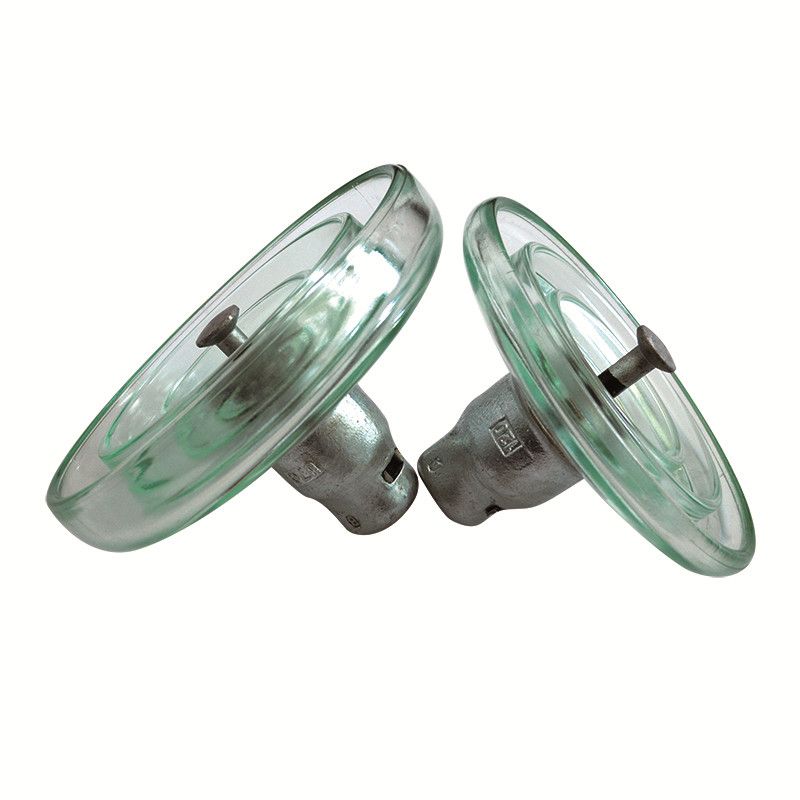
What are the advantages of glass insulators?
Glass power line insulators are key parts of overhead transmission and distribution systems. They keep current where it belongs and help wires stay safely separated from towers and poles. For utilities, this matters because one failed insulator can trigger outage risk, maintenance cost, and service interruption. For project teams and buyers, the real question is not just “what is it?” but
Sep. 04, 2026
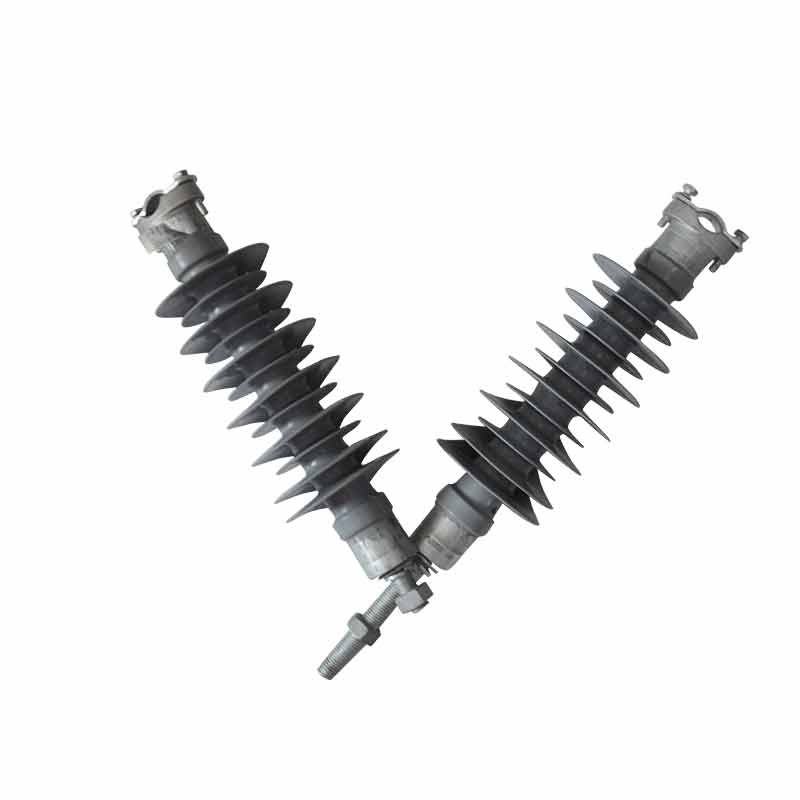
Are polymeric insulators resistant to pollution and salt fog?
A Polymeric Insulator is a lightweight composite insulation device made from a fiberglass core, silicone rubber housing, and metal end fittings. In practical power-grid applications, it is used to support and isolate conductors on transmission and distribution lines while resisting environmental stress such as contamination, moisture, and UV aging. For utilities and EPC contractors, this matters
Sep. 03, 2026
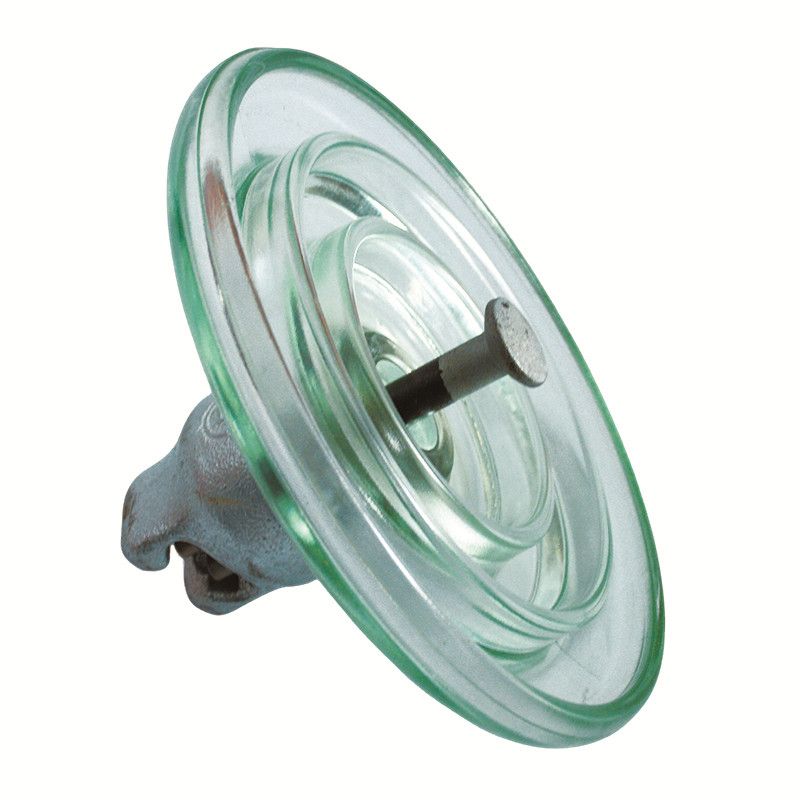
How do glass insulators differ from porcelain and polymeric insulators?
Glass Insulators are widely used in power transmission and distribution networks because they are easy to inspect, cost-effective in many applications, and offer strong long-term performance when selected correctly. If you are comparing Glass Insulators with porcelain and polymeric options, the real question is not only material difference, but als
Sep. 02, 2026
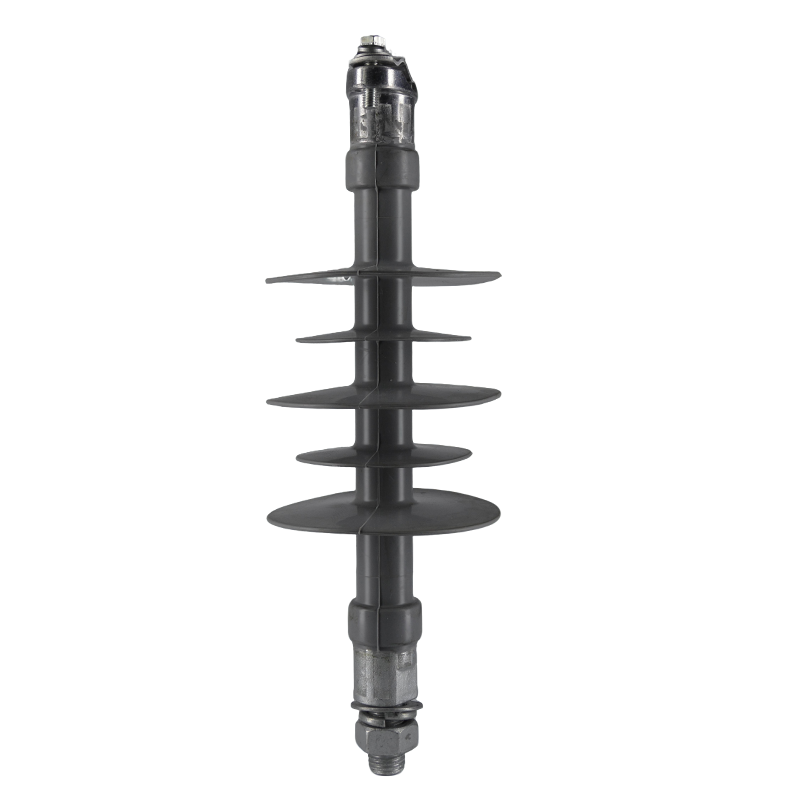
What materials are used in polymeric insulators?
The Composite polymer insulator has become an important part of modern power transmission and distribution systems. As grids move toward higher voltage levels and harsher outdoor environments, utilities need insulation that is lighter, safer, and easier to maintain. A polymeric insulator helps solve real field problems such as flashover in pollution, broken porcelain caused by impact, and high
Sep. 01, 2026

The principle of zinc oxide arrester
The core component is a zinc oxide (ZnO) resistor varistor, whose internal grains exhibit nonlinear volt-ampere characteristics:
Aug. 14, 2026

What are the advantages of porcelain insulators?
Ceramic Porcelain Insulator is a core part of modern power transmission and distribution systems. It helps lines stay safe, stable, and insulated under rain, dust, heat, and mechanical stress. In today’s grid, the need for a reliable porcelain insulator for power lines, a high voltage ceramic porcelain insulator, and a durable electrical porcelai
Aug. 07, 2026

Why are glass insulators used in power lines?
When a transmission line fails, the root cause is often not the conductor itself but the insulation system supporting it. A single flashover, contamination track, or mechanical crack in an insulator string can trigger an outage that cascades across feeders, increases outage minutes, and forces utilities into costly emergency dispatches. That is why
Aug. 06, 2026
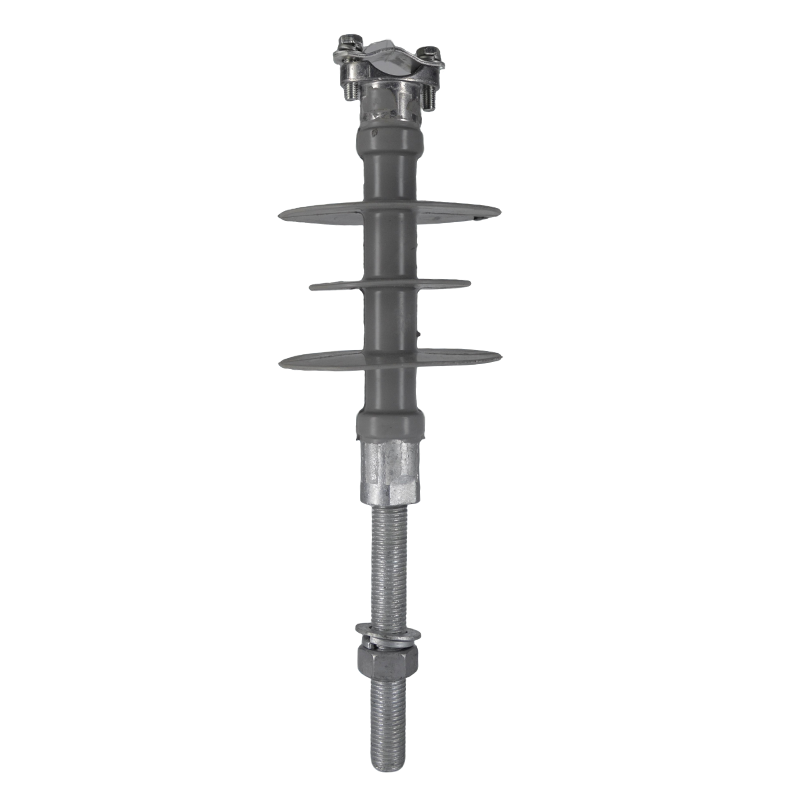
What are the main advantages of polymeric insulators?
Composite polymer insulator technology has become important in modern power grids because it helps utilities reduce outages, improve safety, and cut maintenance time. In the first 100 words, one thing is clear: Composite polymer insulator products solve real problems for lines that face pollution, salt fog, rain, and heavy vibration. For readers searching for polymeric insulator benefits,
Aug. 05, 2026
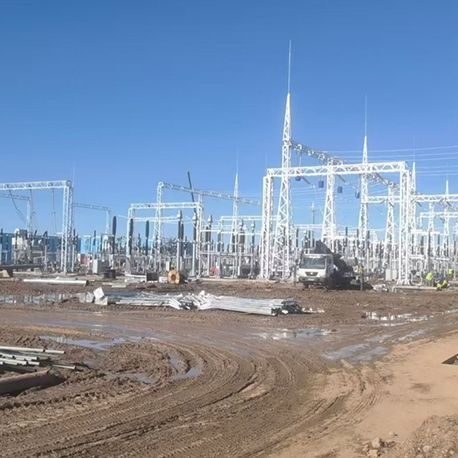
What standards do porcelain insulators comply with?
A porcelain insulator is an electrical insulation component made from high-strength ceramic material that prevents current leakage and supports conductors in power systems. In real projects, it is used on transmission lines, substations, rail electrification, and distribution networks to maintain insulation integrity, mechanical support, and long-term operational safety. For utilities and EPC
Aug. 04, 2026
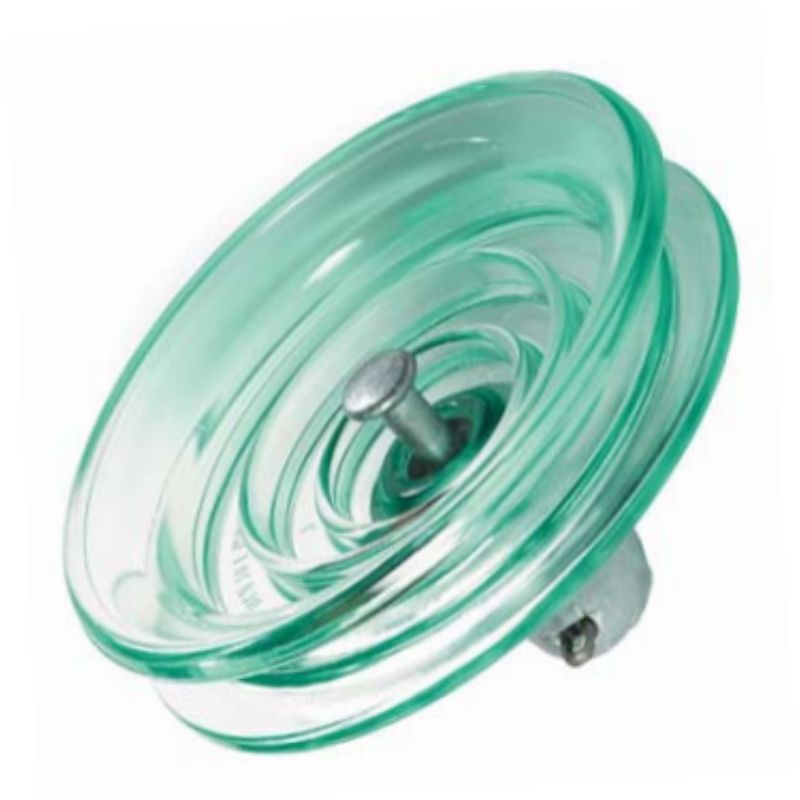
What materials are used in glass insulators?
Glass power line insulators are a key part of modern overhead power systems. They keep high-voltage conductors safely separated from towers and poles, so electricity can travel long distances without leakage or short circuits. In simple terms, they help power lines stay stable, safe, and efficient.
Jul. 29, 2026