Oct. 13, 2026
If you are choosing a ceramic porcelain insulator for a substation, overhead line, or distribution network, the real question is usually not “Which material is best?” but “Which one is safest, easiest to maintain, and cheapest over the full service life?” In high-humidity corridors, coastal lines, and pollution-heavy industrial sites, Porcelain Insulators, glass insulators, and polymeric insulators behave differently under dielectric strength, creepage distance, and mechanical load. This article compares the three using field performance, failure modes, and maintenance realities so you can choose the right distribution insulator, high-voltage insulator, or anti-pollution insulator for your operating environment.
When buyers ask ZheXi for help, the same pain points come up again and again: flashovers during fog season, broken units after shipping or vandalism, and excessive inspection costs on long transmission routes. The right choice depends on whether your priority is low visual failure risk, strong mechanical performance, lighter weight, or reduced cleaning cycles. A well-matched porcelain post insulator can deliver decades of stable service in the right application, while a polymeric unit may reduce installation weight and a glass unit can simplify visual fault detection.
Before comparing materials, identify the actual operational problem. Many projects do not fail because the insulator was “bad”; they fail because the wrong product was used in the wrong environment. For example, a 110 kV line near a cement plant may need better contamination performance, while a rural feeder may care more about cost and mechanical robustness than weight. In the field, the choice often comes down to a balance between surface hydrophobicity, tracking resistance, and mechanical tensile strength.
Porcelain, glass, and polymeric insulators each solve a different set of issues:
In ZheXi’s project consultations, the most common misunderstanding is assuming “newer = better.” In reality, the best material is the one that matches the line voltage, pollution level, maintenance access, and mechanical requirement.
A porcelain insulator is typically made from alumina-silicate ceramic, quartz, feldspar, and clay, then fired at high temperature to form a dense dielectric body. A ceramic porcelain insulator is valued because it offers stable insulation performance under UV exposure, temperature cycling, and long-term outdoor aging. For many utilities, porcelain remains a default choice because its field behavior is well understood, and its service life can exceed 30 years in appropriate conditions.
Key technical features:
In practical terms, porcelain is often selected for substations, switchyards, railway electrification, and distribution poles where proven reliability matters more than weight reduction.
Porcelain is commonly used in:
For ZheXi customers, porcelain is frequently recommended when the project demands consistent performance under outdoor contamination, mechanical stress, and limited replacement windows.
Glass insulators are usually made from tempered glass and are known for their transparent crack behavior. If a unit fails, the damage is often visible, which helps patrol teams detect problems quickly. In many utility systems, this visual fault indication reduces the chance of a hidden failure remaining in service.
Performance comparison:
However, glass is not always the best answer. In areas with bird impact, vandalism, or mechanical shock during transport, the visible fragility can become a maintenance burden. On long mountain routes, crews may prefer porcelain or polymeric units depending on access conditions.
A utility maintenance team in a windy agricultural region shared a practical case with ZheXi: they replaced a section of mixed aging insulators with tempered glass on a 35 kV feeder. The issue was not frequent failure; it was slow inspection. Before replacement, crews spent about 6.5 hours per patrol checking for hidden cracks across 18 km of line. After switching to glass units on the most accessible spans, visible damage detection cut average inspection time to about 4.2 hours per patrol, a reduction of roughly 35%. The team still used porcelain in areas with heavy equipment vibration near a pumping station, showing that mixed-material design can be the smartest solution.
Polymeric insulators use a composite core, usually fiberglass-reinforced epoxy, with silicone rubber sheds. Their biggest advantage is weight. In many installations, polymeric units weigh significantly less than equivalent porcelain strings, which can reduce installation labor and simplify tower logistics. They also tend to perform well in polluted environments because silicone rubber can maintain surface hydrophobicity, helping water form discontinuous droplets rather than a conductive film.
Where polymeric insulators stand out:
Trade-offs:
Field engineers often compare polymeric units to porcelain by asking: “Do we want lower weight today, or more predictable long-term behavior across rough service conditions?” The answer depends on the line’s location and the maintenance culture of the utility.
When comparing materials, data is more useful than adjectives. A porcelain insulator typically offers excellent compressive strength and stable dielectric behavior. Depending on design, porcelain station post and line post units are engineered with different creepage distances to improve performance in polluted environments. For example, in severe contamination zones, increasing creepage distance can reduce flashover risk by improving the surface path that leakage current must travel.
Useful technical points to evaluate:
For many utility specifications, porcelain remains favored because its mechanical and electrical ratings are straightforward to verify and compare. This is one reason ZheXi continues to receive orders for ceramic and porcelain products across substations and distribution projects.
1. Identify whether the line is coastal, industrial, desert, mountain, or rural.
2. Measure pollution severity, salt fog exposure, and expected wetting frequency.
3. If the site has heavy contamination and limited washing access, a porcelain insulator with suitable creepage distance may outperform a generic low-cost option.
1. Confirm system voltage and insulation coordination level.
2. Verify the required mechanical load, including wind, ice, conductor tension, and installation stress.
3. For overhead lines, compare suspension, strain, pin, and post types rather than only comparing material.
1. If patrol teams need immediate visual fault identification, glass may be preferred in some sections.
2. If reduced weight is critical for installation efficiency, polymeric insulators can cut manual handling burden.
3. If the utility values predictable aging and long service history, porcelain remains a strong candidate.
1. Substations often favor porcelain post insulators because of structural stability.
2. Long transmission spans may use polymeric units to reduce string weight.
3. Mixed deployments are common: porcelain in the yard, polymeric on certain line sections, and glass where visible failure detection is essential.
1. Ask for routine test reports and type test records.
2. Confirm shed profile, glaze condition, and dimensional tolerance.
3. ZheXi customers usually request a short sample evaluation before bulk purchase to verify fit, finish, and mechanical handling.
Error 1: Choosing only by unit price. A cheaper insulator can become more expensive if it increases patrol frequency, outage risk, or replacement labor. Total cost of ownership matters more than purchase price.
Error 2: Ignoring pollution severity. A product that works well in a clean inland area may not perform equally well in salt fog, fertilizer dust, or cement contamination.
Error 3: Assuming all polymeric insulators are equal. Composite quality, shed design, silicone formulation, and core manufacturing directly affect service behavior.
Error 4: Overlooking installation conditions. A heavy porcelain assembly may be excellent electrically but costly to install in a steep mountain corridor.
Error 5: Forgetting inspection strategy. Glass helps visual fault detection, while porcelain and polymeric units may require different patrol methods such as infrared or close inspection.
A packaging plant operating a private 10 kV distribution network initially moved to polymeric insulators to reduce rooftop installation weight. For the first 18 months, the system looked efficient. Then, after repeated exposure to solvent vapors and dust from material handling, the maintenance team reported increased cleaning cycles and inconsistent surface behavior on several composite units. The plant’s chief electrician told ZheXi that while the polymeric units were light and easy to install, the crew spent more time inspecting unexpected surface conditions than anticipated. The company later replaced the most exposed indoor-outdoor transition points with porcelain units and saw maintenance visits drop from monthly to roughly once every six weeks. This did not mean polymeric insulators were “bad”; it meant the site chemistry favored porcelain’s stable surface characteristics.
If your project needs a porcelain solution, ask for the following before placing an order:
ZheXi typically helps buyers match the correct ceramic porcelain insulator model to the line design, especially when the purchasing team must balance budget, durability, and field maintenance.
If you want the shortest answer: porcelain insulators are often the safest choice for proven long-term stability, glass insulators are useful when visible breakage detection is important, and polymeric insulators are attractive when weight and contamination performance are top priorities. A Ceramic Porcelain Insulator is still a strong option in substations, medium-voltage distribution, and many overhead line applications because it combines predictable insulation behavior with high mechanical reliability.
My practical suggestion is simple: choose by scenario, not by trend. For clean and stable environments, any of the three may work well. For polluted or coastal sites, evaluate creepage distance and hydrophobicity carefully. For hard-to-access routes, installation weight and inspection method matter. If your team wants a conventional, well-understood, and durable solution, ZheXi porcelain products are often the most straightforward starting point.
In one sentence: the best insulator is the one that gives you the right balance of dielectric strength, mechanical load, and maintenance cost for your line’s real conditions.
Not always. Porcelain is often better for stable long-term outdoor use and structural applications, while glass is easier to inspect because broken units are visible. The better choice depends on maintenance strategy and environment.
Because porcelain has a long track record, strong mechanical performance, and predictable aging behavior. It is widely trusted in substations and distribution systems.
Yes, in typical designs they are significantly lighter, which helps reduce installation labor and shipping difficulty.
Polymeric insulators can perform very well if hydrophobicity is maintained, but porcelain with sufficient creepage distance is also widely used. The best choice depends on pollution type, cleaning access, and local reliability standards.
Yes. Many porcelain insulators are designed for multi-decade service when correctly specified and installed.
Check the voltage class, creepage distance, mechanical rating, application type, and test documentation. These factors matter more than appearance alone.
Final note: If you are comparing a Porcelain Insulator, glass, and polymeric options for a transmission or distribution project, use real site conditions, test data, and maintenance realities to decide. The right choice is usually the one that minimizes outage risk, inspection burden, and lifecycle cost while meeting electrical and mechanical requirements. That is where ceramic insulator, anti-pollution insulator, and high-voltage insulator selection becomes a practical engineering decision rather than a branding choice, and where ZheXi can help you narrow the options with confidence.
Latest News
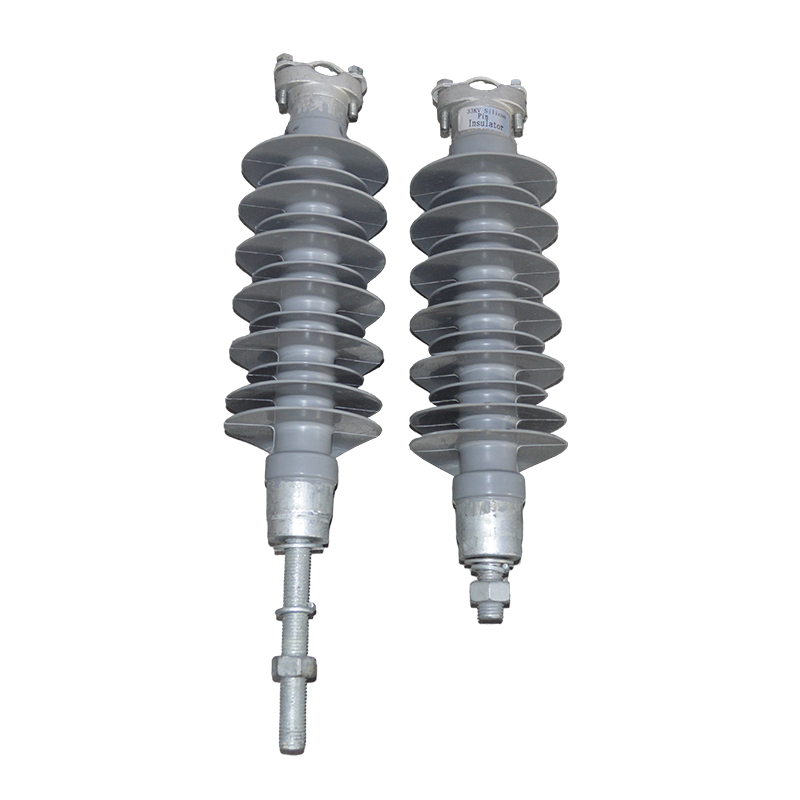
What are the types of polymeric insulators?
Composite polymer insulator technology has become a key part of modern power transmission because utilities need insulation that is lighter, safer in polluted areas, and easier to install than traditional porcelain or glass. In the last decade, grid operators have increased the use of polymer-based line hardware in harsh environments such as coastal zones, industrial corridors, and high-humidity
Oct. 13, 2026
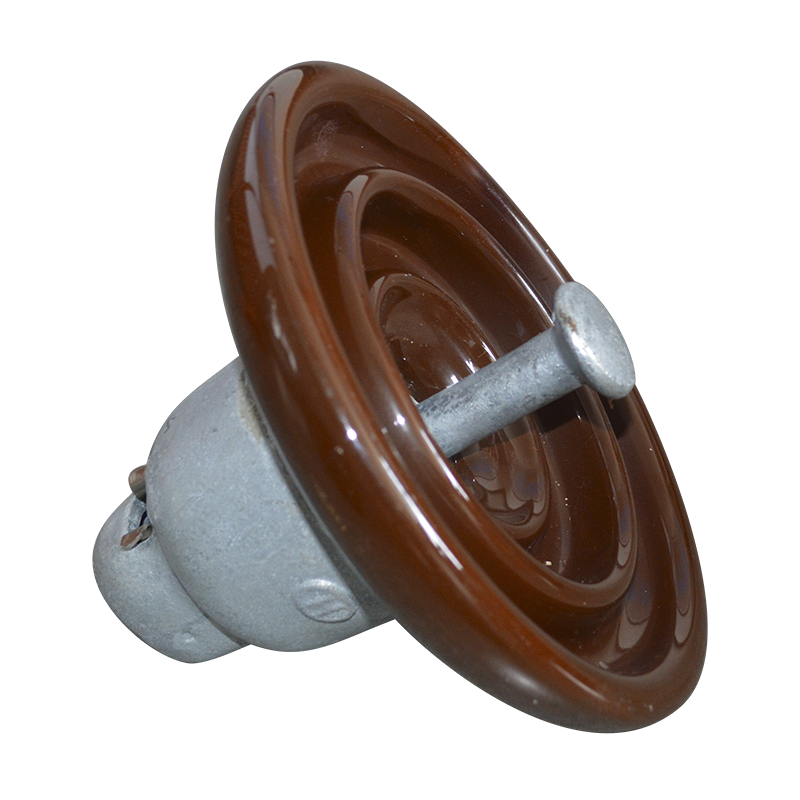
How do porcelain insulators compare to glass and polymeric insulators?
If you are choosing a Ceramic Porcelain Insulator for a substation, overhead line, or distribution network, the real question is usually not “Which material is best?” but “Which one is safest, easiest to maintain, and cheapest over the full service life?” In high-humidity corridors, coastal lines, and pollution-heavy industrial sites, porcelain insulators, glass insulators, and polymeric
Oct. 13, 2026
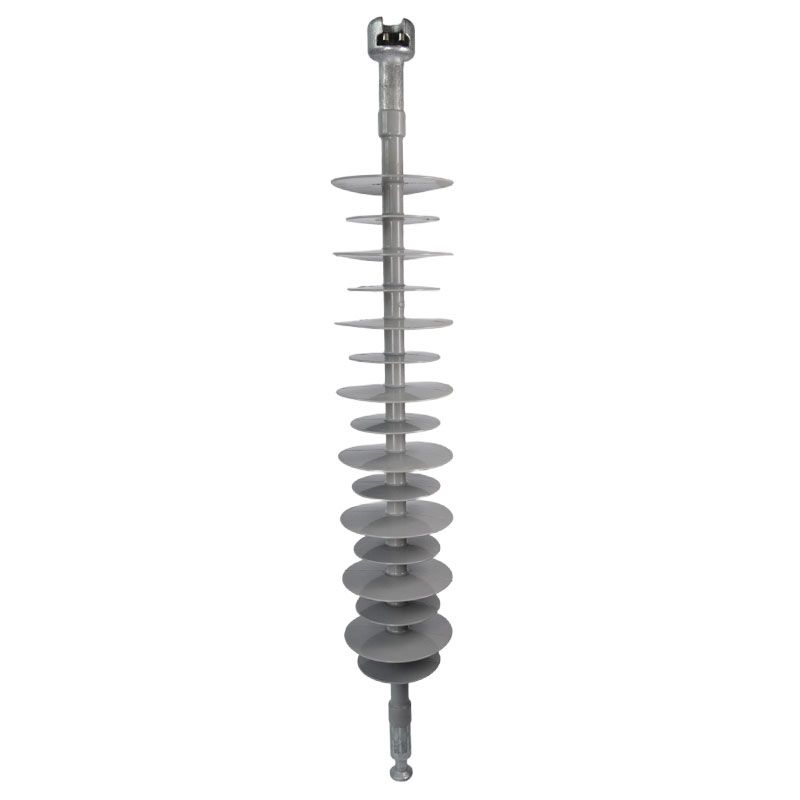
Do polymeric insulators meet international standards?
Polymeric insulators are electrical insulation devices made from silicone rubber, EPDM, or other high-performance polymers, designed to support and isolate conductors in overhead lines and substations. In practical use, a Polymeric Insulator helps utilities and industrial operators reduce outage risk, improve pollution flashover performance, and lower maintenance costs. For businesses, the value
Oct. 09, 2026
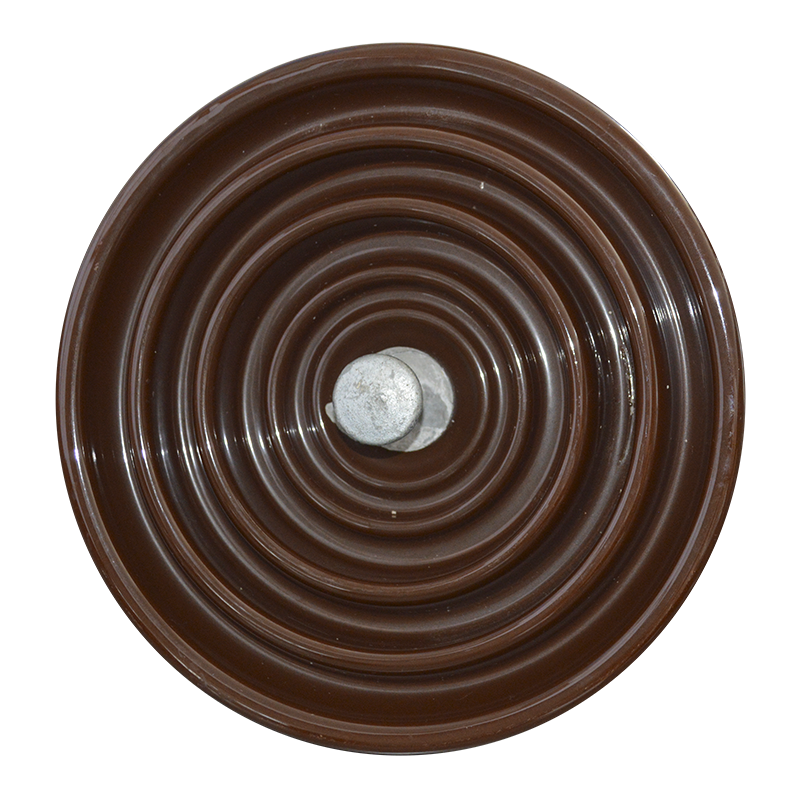
What are the disadvantages of porcelain insulators?
A Porcelain Insulator is a high-strength electrical insulating component made from fired ceramic materials, used to support and isolate conductors in power transmission, substations, rail traction, and distribution networks. In simple terms, it keeps electricity where it should be and helps equipment operate safely. For businesses, this matters because a reliable Ceramic Porcelain Insulator can
Oct. 13, 2026
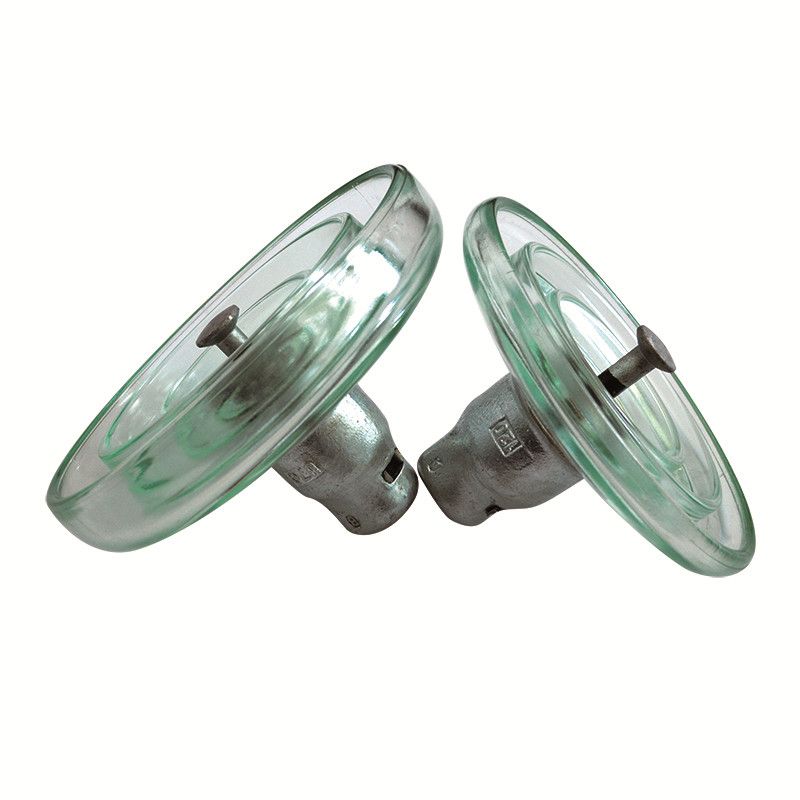
What are the advantages of glass insulators?
Glass power line insulators are key parts of overhead transmission and distribution systems. They keep current where it belongs and help wires stay safely separated from towers and poles. For utilities, this matters because one failed insulator can trigger outage risk, maintenance cost, and service interruption. For project teams and buyers, the real question is not just “what is it?” but
Sep. 04, 2026
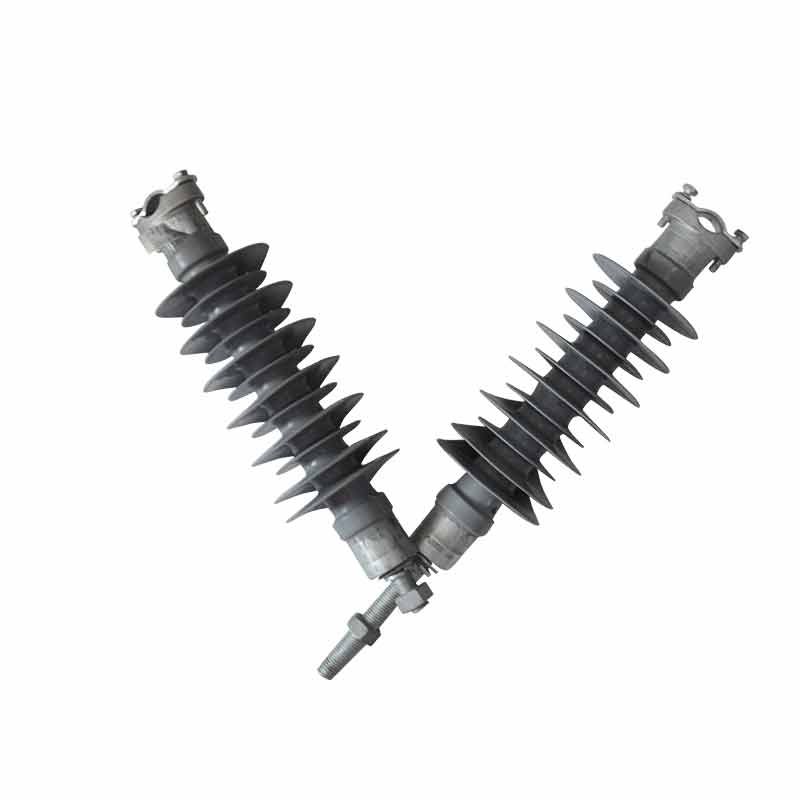
Are polymeric insulators resistant to pollution and salt fog?
A Polymeric Insulator is a lightweight composite insulation device made from a fiberglass core, silicone rubber housing, and metal end fittings. In practical power-grid applications, it is used to support and isolate conductors on transmission and distribution lines while resisting environmental stress such as contamination, moisture, and UV aging. For utilities and EPC contractors, this matters
Sep. 03, 2026
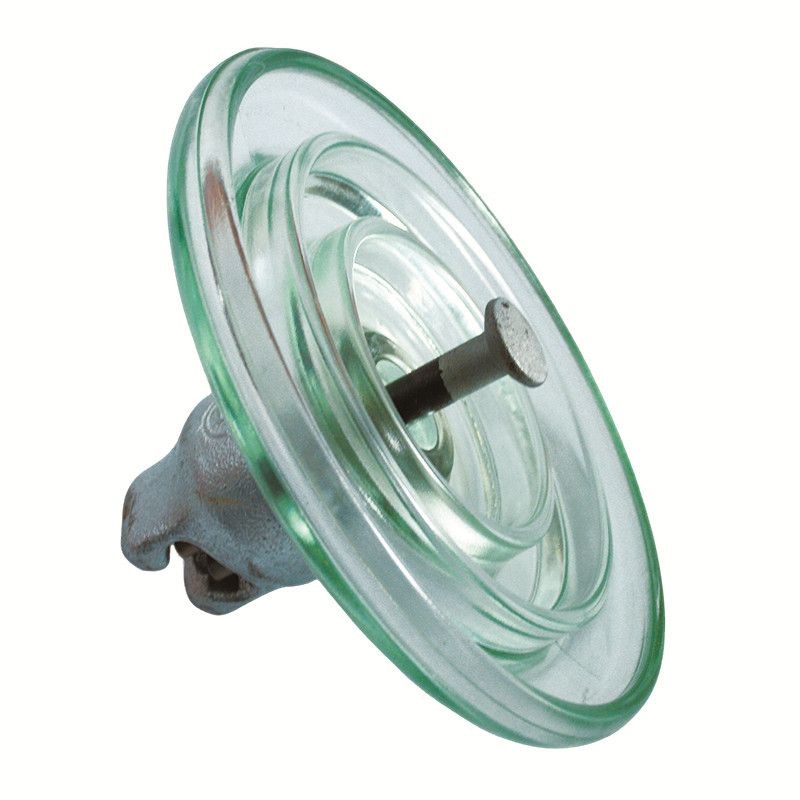
How do glass insulators differ from porcelain and polymeric insulators?
Glass Insulators are widely used in power transmission and distribution networks because they are easy to inspect, cost-effective in many applications, and offer strong long-term performance when selected correctly. If you are comparing Glass Insulators with porcelain and polymeric options, the real question is not only material difference, but als
Sep. 02, 2026
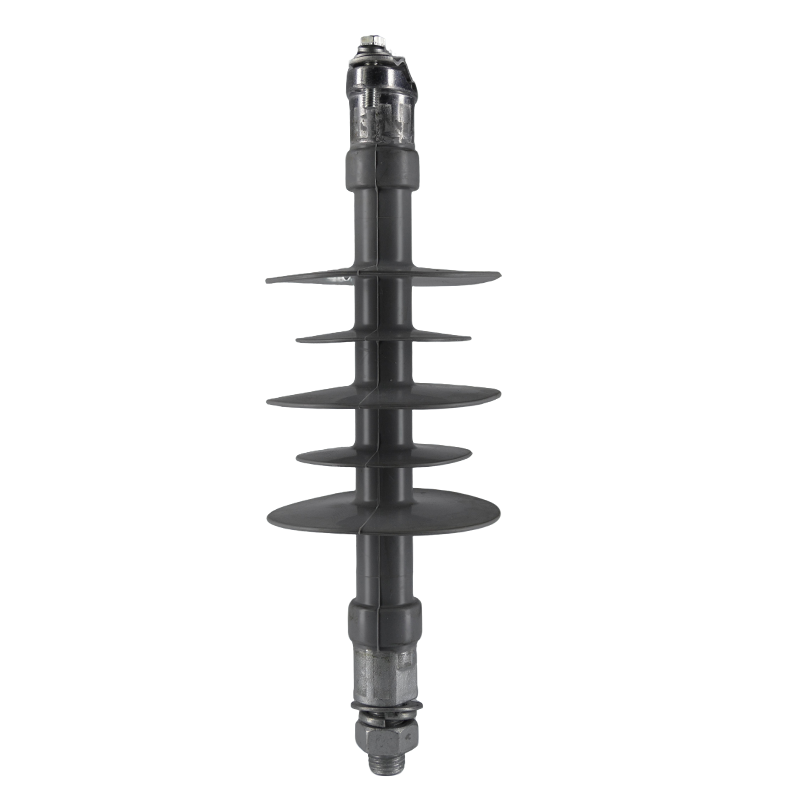
What materials are used in polymeric insulators?
The Composite polymer insulator has become an important part of modern power transmission and distribution systems. As grids move toward higher voltage levels and harsher outdoor environments, utilities need insulation that is lighter, safer, and easier to maintain. A polymeric insulator helps solve real field problems such as flashover in pollution, broken porcelain caused by impact, and high
Sep. 01, 2026

The principle of zinc oxide arrester
The core component is a zinc oxide (ZnO) resistor varistor, whose internal grains exhibit nonlinear volt-ampere characteristics:
Aug. 14, 2026

What are the advantages of porcelain insulators?
Ceramic Porcelain Insulator is a core part of modern power transmission and distribution systems. It helps lines stay safe, stable, and insulated under rain, dust, heat, and mechanical stress. In today’s grid, the need for a reliable porcelain insulator for power lines, a high voltage ceramic porcelain insulator, and a durable electrical porcelai
Aug. 07, 2026