Feb. 13, 2026
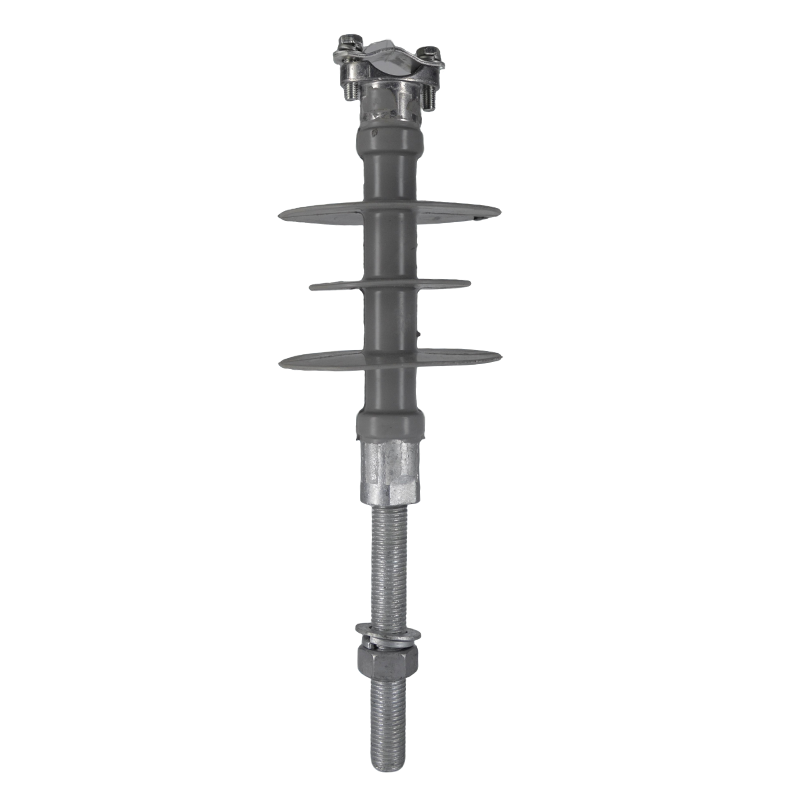
Polymeric insulators are made of flexible and lightweight materials, primarily polymers, which have excellent electrical insulation properties and mechanical strength. They are used in various electrical applications, from power lines to substations.
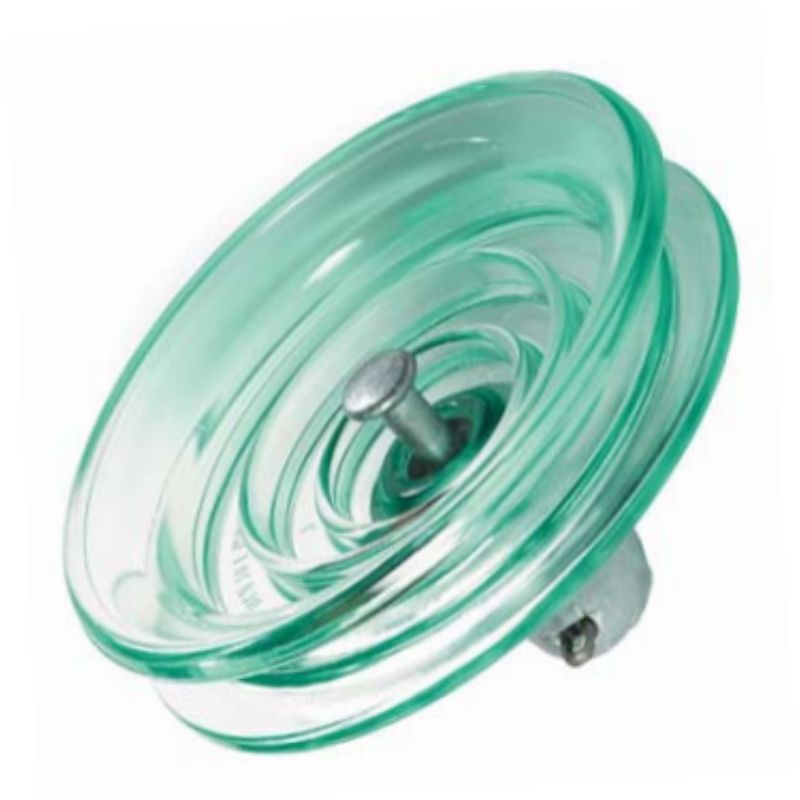
Porcelain insulators are made from clay and other materials fired at high temperatures, while glass insulators are crafted from high-strength glass. Both types have been traditionally used due to their durability and high dielectric strength.
Polymeric insulators generally offer better performance in polluted environments due to their hydrophobic characteristics, which help prevent the buildup of contaminants. In contrast, porcelain and glass insulators can become conductive if contaminated.
Polymeric insulators are lighter and provide enhanced mechanical strength, making them preferable for installations where weight and structural integrity are concerns. Porcelain and glass are heavier but can withstand extreme weather conditions.
Polymeric insulators tend to be more cost-effective in production and installation due to their lightweight nature, which reduces transportation and labor costs.
Polymeric insulators generally require less maintenance compared to porcelain and glass options, minimizing long-term operational costs and downtime.
Installing polymeric insulators can follow this simple process:
First Step: Gather necessary tools including insulation clamps, safety gear, and mounting brackets.
Second Step: Ensure the installation site is clean and inspect the insulator for any visible defects.
Third Step: Attach the insulator to the mounting framework securely using the appropriate clamps.
Fourth Step: Connect the power lines with proper electrical connections and check grounding.
Fifth Step: Conduct a final inspection and ensure everything is secure before energizing the system.
Insulation clamps
Safety gear (helmets, gloves, etc.)
Mounting brackets
Electrical connectors
Insulation testing equipment
Neglecting safety protocols and gear
Using damaged or unsuitable clamps
Not inspecting the installation site for contaminants
Ignoring the manufacturer's specifications during installation
Polymeric insulators are widely used in overhead power lines, substations, and railways due to their advantages in insulation and durability. For example, ZheXi has supplied polymeric insulators for several major projects enhancing efficiency and safety.
Several municipalities have reported significant reductions in outages and maintenance costs after switching to polymeric insulators, showcasing their reliable performance in diverse environments.
Polymeric insulators generally have a lifespan exceeding 30 years, while porcelain and glass insulators can also last long, but their durability might be compromised under certain environmental conditions.
While initial costs might differ, polymeric insulators often lead to lower maintenance and replacement costs, making them a more economical choice in the long run.
In conclusion, polymeric insulators offer numerous advantages over traditional porcelain and glass insulators, including better performance in harsh conditions, lower costs, and easier installation. As seen in the applications provided by ZheXi, these insulators are becoming the preferred choice in modern electrical infrastructure. For more information and products, visit us at  .
.
Latest News
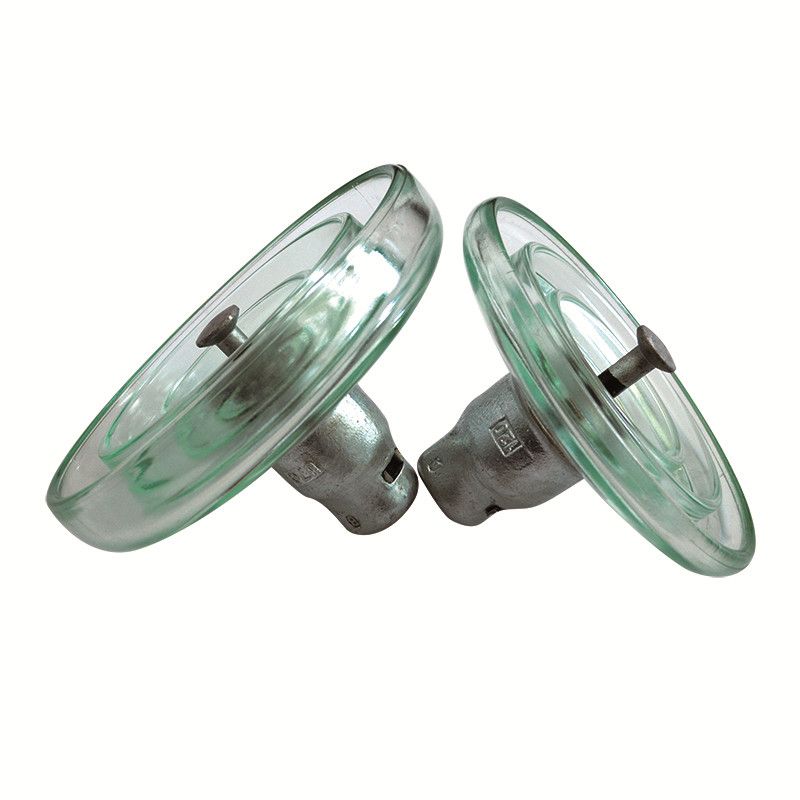
What are the advantages of glass insulators?
Glass power line insulators are key parts of overhead transmission and distribution systems. They keep current where it belongs and help wires stay safely separated from towers and poles. For utilities, this matters because one failed insulator can trigger outage risk, maintenance cost, and service interruption. For project teams and buyers, the real question is not just “what is it?” but
Sep. 04, 2026
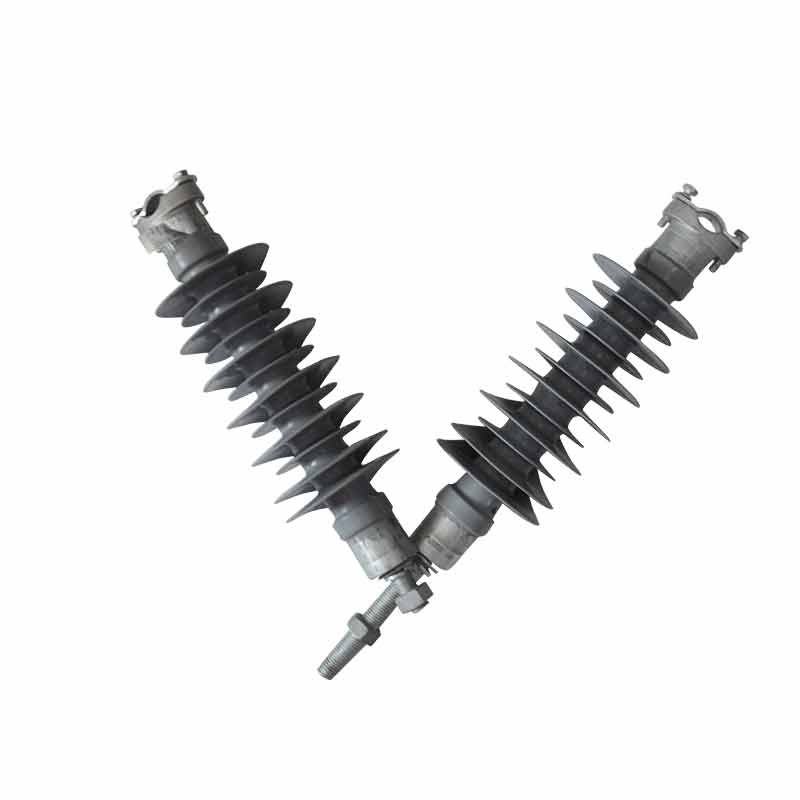
Are polymeric insulators resistant to pollution and salt fog?
A Polymeric Insulator is a lightweight composite insulation device made from a fiberglass core, silicone rubber housing, and metal end fittings. In practical power-grid applications, it is used to support and isolate conductors on transmission and distribution lines while resisting environmental stress such as contamination, moisture, and UV aging. For utilities and EPC contractors, this matters
Sep. 03, 2026
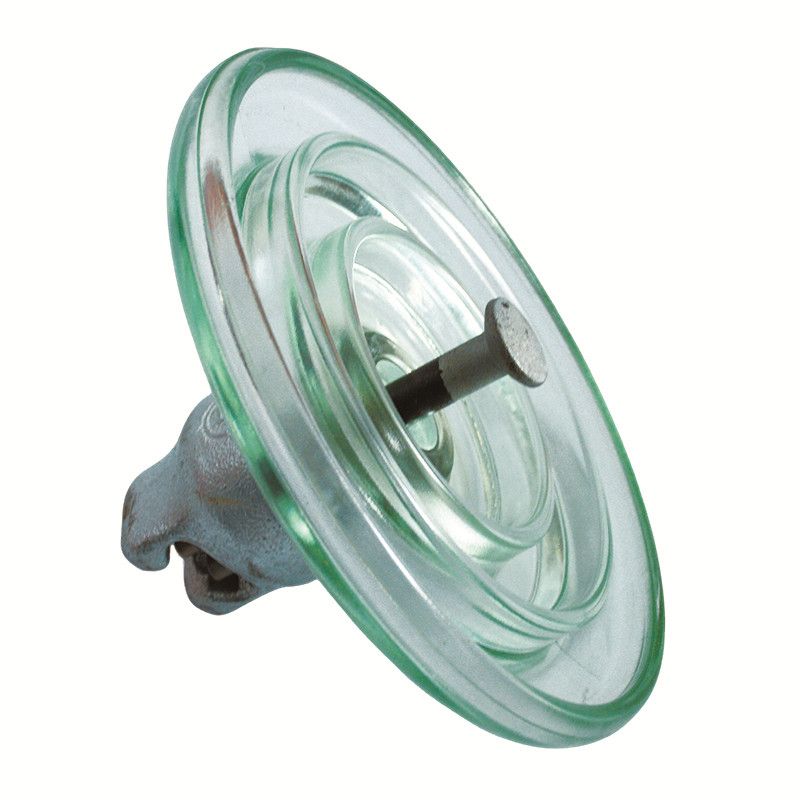
How do glass insulators differ from porcelain and polymeric insulators?
Glass Insulators are widely used in power transmission and distribution networks because they are easy to inspect, cost-effective in many applications, and offer strong long-term performance when selected correctly. If you are comparing Glass Insulators with porcelain and polymeric options, the real question is not only material difference, but als
Sep. 02, 2026
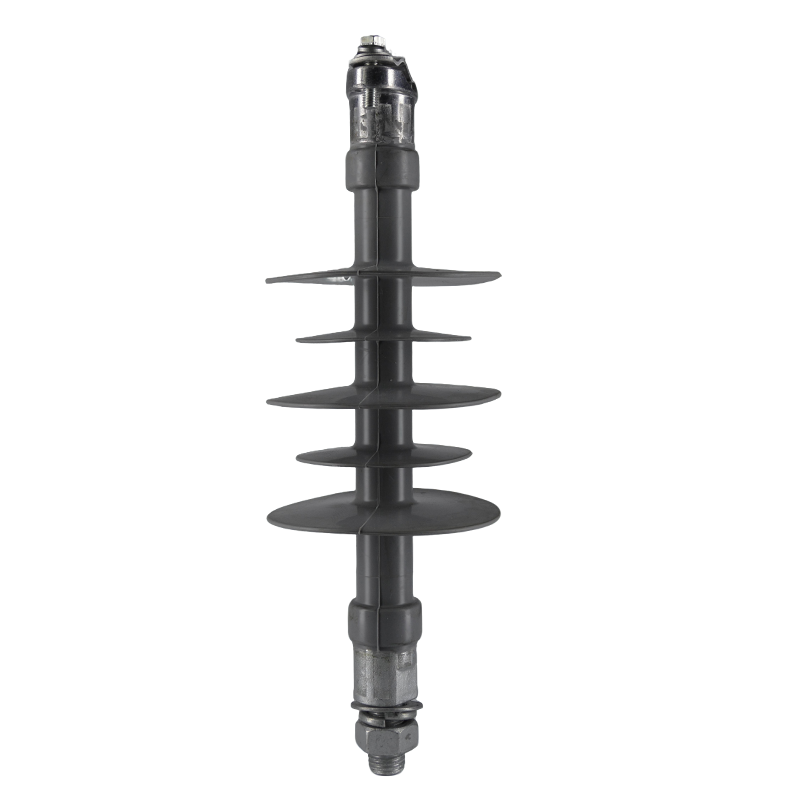
What materials are used in polymeric insulators?
The Composite polymer insulator has become an important part of modern power transmission and distribution systems. As grids move toward higher voltage levels and harsher outdoor environments, utilities need insulation that is lighter, safer, and easier to maintain. A polymeric insulator helps solve real field problems such as flashover in pollution, broken porcelain caused by impact, and high
Sep. 01, 2026

The principle of zinc oxide arrester
The core component is a zinc oxide (ZnO) resistor varistor, whose internal grains exhibit nonlinear volt-ampere characteristics:
Aug. 14, 2026

What are the advantages of porcelain insulators?
Ceramic Porcelain Insulator is a core part of modern power transmission and distribution systems. It helps lines stay safe, stable, and insulated under rain, dust, heat, and mechanical stress. In today’s grid, the need for a reliable porcelain insulator for power lines, a high voltage ceramic porcelain insulator, and a durable electrical porcelai
Aug. 07, 2026

Why are glass insulators used in power lines?
When a transmission line fails, the root cause is often not the conductor itself but the insulation system supporting it. A single flashover, contamination track, or mechanical crack in an insulator string can trigger an outage that cascades across feeders, increases outage minutes, and forces utilities into costly emergency dispatches. That is why
Aug. 06, 2026
What are the main advantages of polymeric insulators?
Composite polymer insulator technology has become important in modern power grids because it helps utilities reduce outages, improve safety, and cut maintenance time. In the first 100 words, one thing is clear: Composite polymer insulator products solve real problems for lines that face pollution, salt fog, rain, and heavy vibration. For readers searching for polymeric insulator benefits,
Aug. 05, 2026
What standards do porcelain insulators comply with?
A porcelain insulator is an electrical insulation component made from high-strength ceramic material that prevents current leakage and supports conductors in power systems. In real projects, it is used on transmission lines, substations, rail electrification, and distribution networks to maintain insulation integrity, mechanical support, and long-term operational safety. For utilities and EPC
Aug. 04, 2026
What materials are used in glass insulators?
Glass power line insulators are a key part of modern overhead power systems. They keep high-voltage conductors safely separated from towers and poles, so electricity can travel long distances without leakage or short circuits. In simple terms, they help power lines stay stable, safe, and efficient.
Jul. 29, 2026