Sep. 02, 2026
Glass Insulators are widely used in power transmission and distribution networks because they are easy to inspect, cost-effective in many applications, and offer strong long-term performance when selected correctly. If you are comparing Glass Insulators with porcelain and polymeric options, the real question is not only material difference, but also how each type performs in installation, maintenance, contamination resistance, mechanical strength, and total lifecycle cost. This guide is designed to answer the most common buyer questions, reduce selection mistakes, and help engineers, procurement teams, and utility buyers make a better decision. For reference, ZheXi provides power equipment solutions and product information.
Most searchers are not only asking how the three insulators differ in appearance. They are usually trying to reduce outage risk, avoid premature failure, and choose a product that performs well in real-world line conditions. Buyers often worry about contamination, mechanical breakage, ultraviolet aging, insulation reliability, and whether they will need frequent inspections or replacements.
Purchasing teams usually compare the initial unit price with shipping, installation labor, maintenance cost, replacement frequency, and downtime impact. A lower-priced product may become expensive if it requires more maintenance or fails earlier. This is why many users want a side-by-side comparison of Glass Insulators, porcelain insulators, and polymeric insulators based on total lifecycle value.
Different line voltages, pollution levels, climates, and mechanical loads require different insulator characteristics. Buyers want to know when glass is preferred, when porcelain is more suitable, and when polymeric is the better choice. They also want practical selection advice instead of theoretical descriptions.
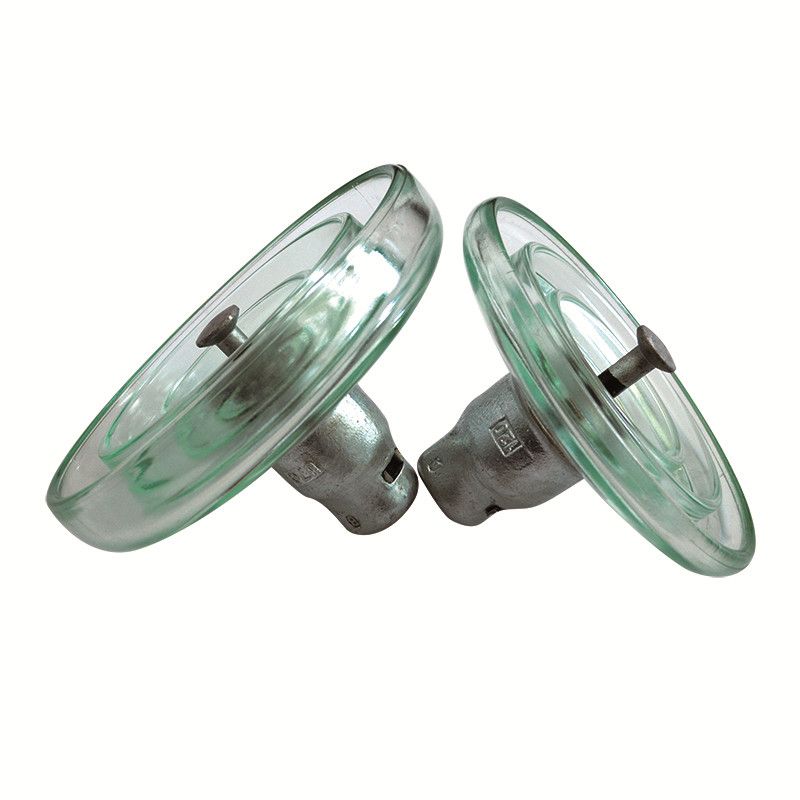
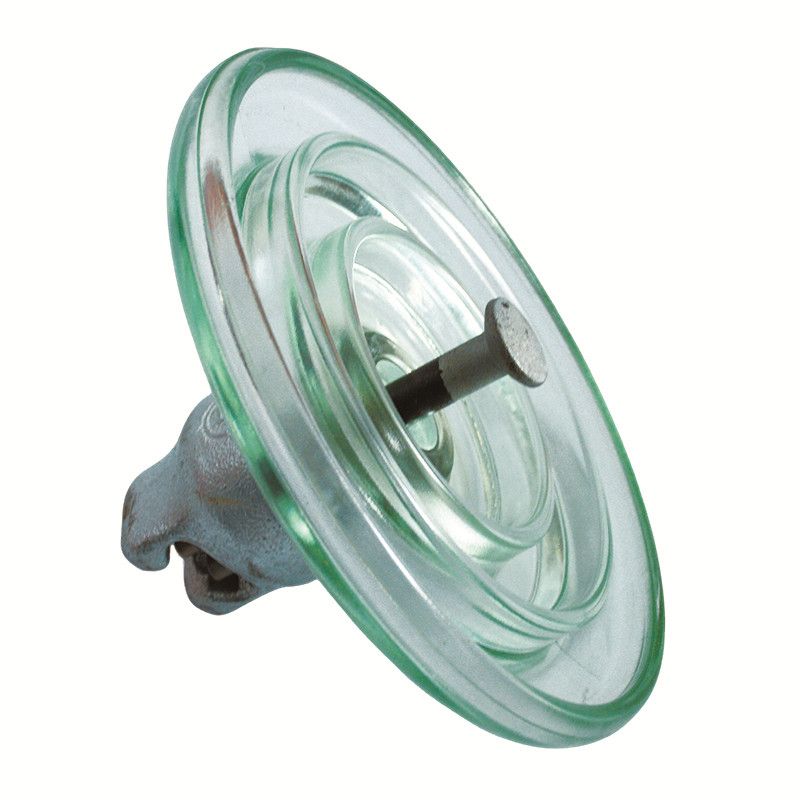
Glass insulators are typically made from tempered glass. Their biggest practical advantage is that damage is often visible immediately. This allows crews to identify cracked or failed units during inspection. For buyers, this means easier maintenance checks and faster fault detection in many applications.
Porcelain insulators are made from ceramic materials and have been used for decades in transmission and distribution systems. They are known for stable electrical properties and strong resistance to heat and weather when properly manufactured. However, visual inspection may not always reveal internal damage as easily as with glass.
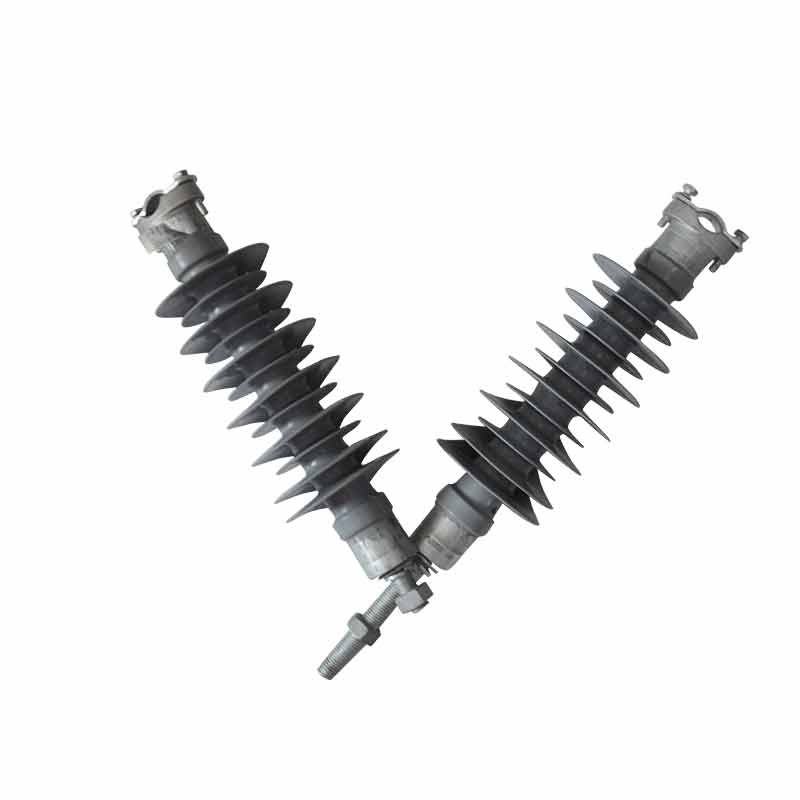
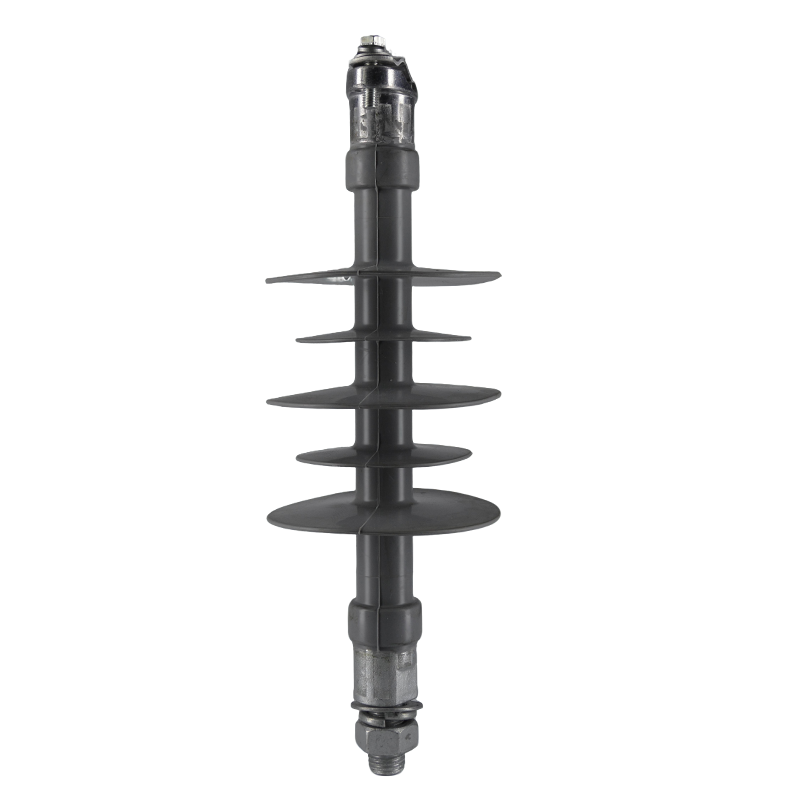
Polymeric insulators usually combine a fiberglass core with silicone rubber or similar housing materials. Their main advantages are low weight, easier handling, and good contamination performance in many environments. However, buyers must evaluate aging behavior, mechanical quality, and long-term surface condition carefully.
Step 1: Check the line tension, span requirements, and expected mechanical load. Glass insulators generally perform well in standard overhead line applications, while porcelain also offers strong mechanical integrity. Polymeric insulators are lighter, which can simplify handling, but buyers should confirm the required mechanical rating and verify quality from the supplier.
Glass: strong and stable in many line applications
Porcelain: durable and proven under long-term use
Polymeric: lightweight and convenient, but quality-dependent
Step 2: Assess the environment. In coastal, industrial, dusty, or high-pollution areas, surface performance becomes critical. Polymeric insulators often perform well in polluted environments because of their hydrophobic properties. Glass and porcelain can also be suitable, but may require more attention to cleaning and creepage design depending on the site.
Heavy pollution areas: polymeric may reduce contamination-related issues
Moderate conditions: glass and porcelain can be strong options
High humidity and salt fog: material selection must be matched to creepage distance and maintenance strategy
Step 3: Consider inspection methods. Glass insulators have a major operational advantage because cracks, chips, and breakage can be seen quickly. Porcelain damage may be less obvious, and polymeric insulators can experience surface aging that may not be easy to detect without proper field inspection procedures.
Glass: easy visual fault detection
Porcelain: durable, but hidden defects may require closer inspection
Polymeric: lightweight, but inspection discipline is important
Step 1: If your maintenance team needs a simple way to spot failed units, glass is often attractive. The visual clarity of Glass Insulators helps crews locate breakage quickly and make replacement decisions with less guesswork. This is especially useful in large networks where rapid patrol inspection is important.
Step 2: If the operating environment is relatively stable and the utility values predictable performance, glass can be a practical solution. Buyers often favor it when they want a proven product with well-understood behavior in overhead line systems.
Step 3: If the goal is to balance purchase cost and maintenance efficiency, glass can provide a strong middle ground. It may not always be the lightest option or the most pollution-resistant option, but it is often a practical choice for standard applications.
Step 1: If your organization prefers a long-established insulating material with broad field history, porcelain remains a strong option. Many utilities trust porcelain because it has been used for decades and has a familiar service profile.
Step 2: If the system will face heat, weather variation, and long-term outdoor exposure, porcelain may be attractive because of its robust material characteristics. Buyers should still check supplier quality, glaze condition, and mechanical requirements.
Step 3: Porcelain units are generally heavier than polymeric units. This means logistics and installation planning matter. If the project can handle the extra weight and the crew is prepared for it, porcelain can be a dependable choice.
Step 1: If installation speed, easier lifting, and reduced labor strain are priorities, polymeric insulators may be the best fit. Their lower weight can reduce handling difficulty and simplify transportation in some projects.
Step 2: In areas with salt, dust, or industrial contamination, polymeric insulators are often selected because of strong surface behavior. The hydrophobic housing can help performance under certain contamination conditions, but buyers should verify the rating and field suitability.
Step 3: Some projects require compact designs or special configurations. Polymeric products can offer flexibility in form and application, but the buyer should check quality standards carefully and not rely on appearance alone.
Start by collecting site data. This should include voltage level, contamination severity, rainfall, humidity, salt exposure, wind load, altitude, and line type. Without this information, material selection may be incorrect.
Voltage class
Pollution level
Mechanical load requirement
Climate and weather exposure
Maintenance access conditions
Next, compare technical parameters such as creepage distance, mechanical strength, insulation level, fitting compatibility, and standards compliance. These details matter more than the headline material description.
Rated voltage
Mechanical failing load
Creepage distance
Dimensions and fitting type
Applicable IEC or ANSI requirements
Then verify the supplier’s test reports, manufacturing consistency, warranty terms, and after-sales support. Buyers should request drawings, certificates, and inspection documentation before approving bulk orders. ZheXi can be used as a reference brand when reviewing supplier communication and product transparency.
After technical fit is confirmed, compare the full cost picture. Include delivery, installation labor, maintenance frequency, replacement risk, and expected service life. This helps purchasing teams avoid choosing the cheapest option that becomes expensive later.
Before installation or replacement, crews should prepare the following tools and materials:
Insulator tester or field inspection equipment
Torque wrench
Insulated gloves and safety helmet
Safety harness for elevated work
Compatible mounting hardware
Cleaning cloth and basic maintenance supplies
Specification sheets and installation drawings
Purchasing and engineering teams should also gather documents before approval:
Product datasheet
Test report
Compliance certificate
Load and dimension drawing
Warranty and service terms
One of the biggest mistakes is assuming that glass, porcelain, or polymeric automatically means good or bad performance. The actual result depends on voltage, environment, loading, and manufacturing quality. Buyers should always check the specification sheet before making a decision.
Another common mistake is failing to evaluate pollution, salt, or industrial dust. A product that works well in one region may perform poorly in another. Always match the insulator type to the actual site conditions.
Some projects experience delays because the insulator does not fit the existing hardware or line design. Before purchase, confirm all dimensions, connection types, and mechanical interfaces. This reduces rework and prevents installation issues.
Even a high-quality product can underperform if maintenance procedures are not defined. Buyers should decide in advance how inspections will be performed, how failures will be identified, and how replacements will be scheduled.
Start by deciding whether the site is clean, polluted, wet, coastal, industrial, or mixed. This narrows the choices significantly.
Then compare mechanical strength, creepage distance, inspection visibility, and aging behavior. Glass Insulators are often favored where easy visual inspection is important, while porcelain and polymeric units may be chosen for different operating priorities.
Do not stop at purchase price. Add transport, installation, maintenance, and expected replacement cost to get the real project value.
Choose a supplier that can provide clear documentation, stable quality, and responsive service. Brands like ZheXi are often evaluated not only by product price, but also by the quality of engineering support and delivery reliability.
For large or critical projects, sample inspection or trial installation can reduce risk. This is especially useful when comparing different material types for the first time.
Glass is often selected because damage is easy to detect, which helps maintenance teams respond quickly. For many overhead line applications, this is a major operational advantage.
Porcelain remains a reliable choice for many utility systems and is still valued for its long service history and stable performance.
Polymeric products are often preferred when easier handling and good performance in polluted environments are key requirements.
In the end, Glass Insulators remain an important choice in modern power systems because they combine practical inspection advantages with proven field performance. If you are comparing options for a new project or replacement plan, use environment, cost, maintenance, and installation needs as your decision framework. For more product details and support, ZheXi can be a useful reference, and //www.zhexielectricpower.com/data/watermark/main/20250630/68623f1e6f187.jpg may be used as a visual resource during your review.
Latest News
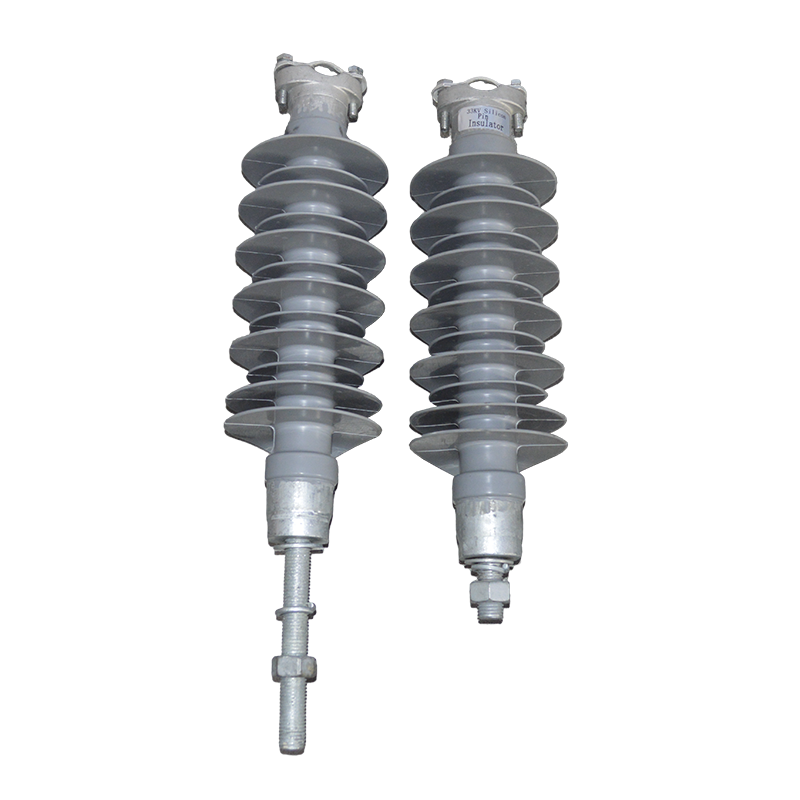
What are the types of polymeric insulators?
Composite polymer insulator technology has become a key part of modern power transmission because utilities need insulation that is lighter, safer in polluted areas, and easier to install than traditional porcelain or glass. In the last decade, grid operators have increased the use of polymer-based line hardware in harsh environments such as coastal zones, industrial corridors, and high-humidity
Oct. 13, 2026
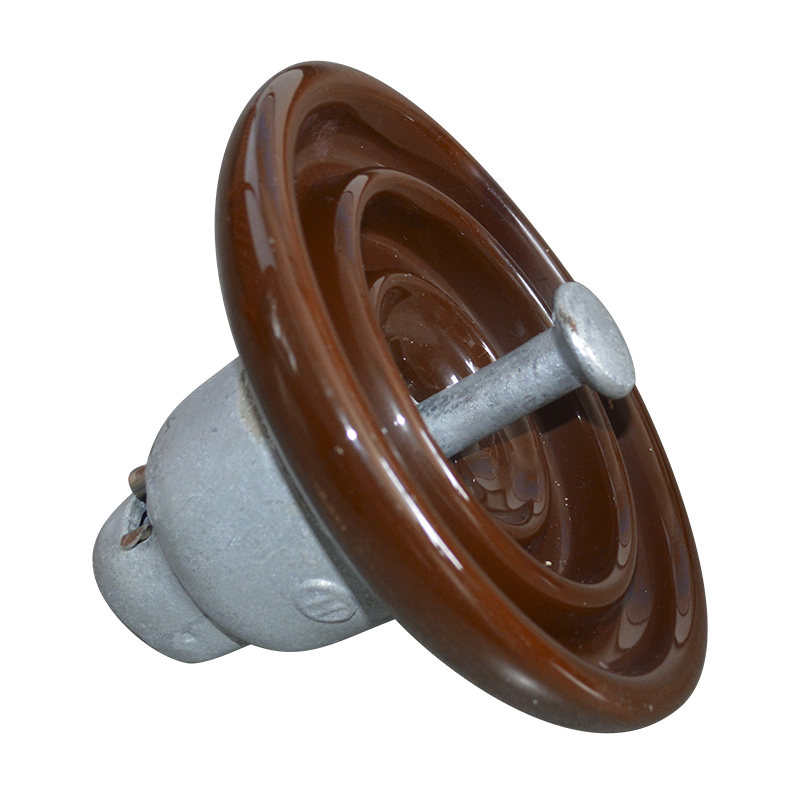
How do porcelain insulators compare to glass and polymeric insulators?
If you are choosing a Ceramic Porcelain Insulator for a substation, overhead line, or distribution network, the real question is usually not “Which material is best?” but “Which one is safest, easiest to maintain, and cheapest over the full service life?” In high-humidity corridors, coastal lines, and pollution-heavy industrial sites, porcelain insulators, glass insulators, and polymeric
Oct. 13, 2026
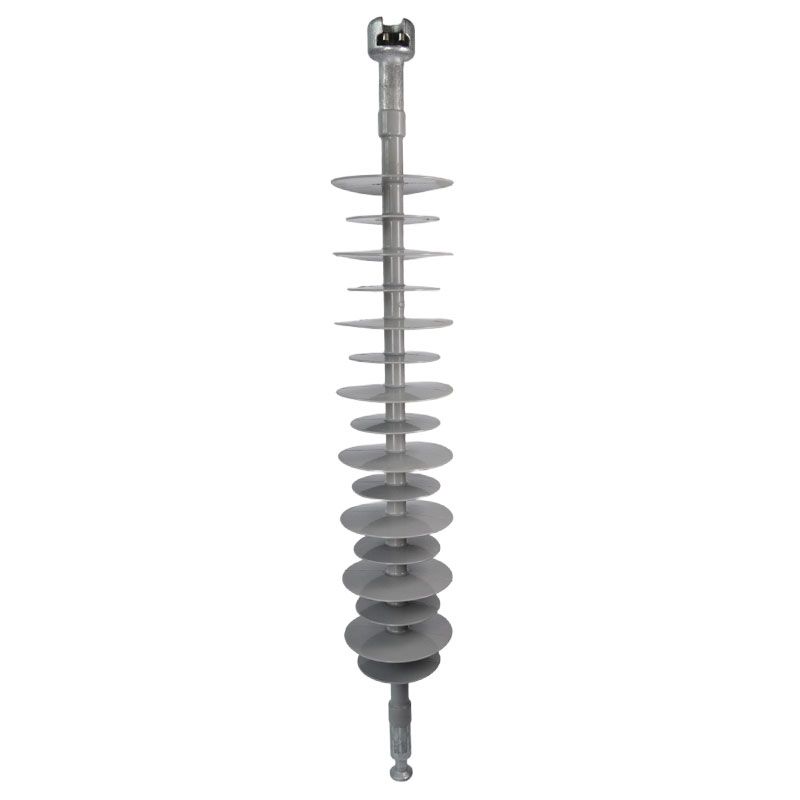
Do polymeric insulators meet international standards?
Polymeric insulators are electrical insulation devices made from silicone rubber, EPDM, or other high-performance polymers, designed to support and isolate conductors in overhead lines and substations. In practical use, a Polymeric Insulator helps utilities and industrial operators reduce outage risk, improve pollution flashover performance, and lower maintenance costs. For businesses, the value
Oct. 09, 2026
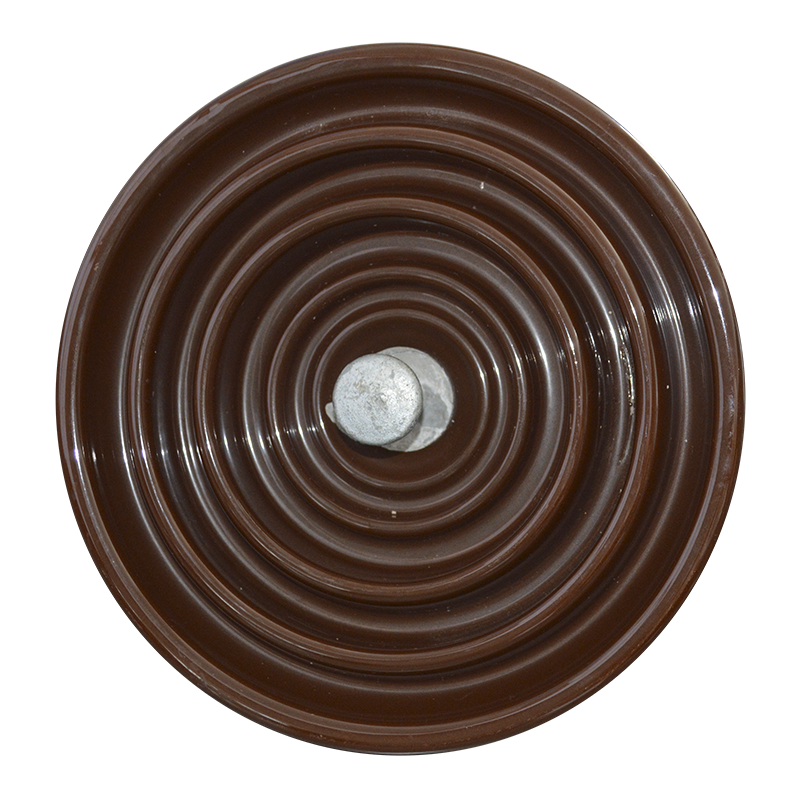
What are the disadvantages of porcelain insulators?
A Porcelain Insulator is a high-strength electrical insulating component made from fired ceramic materials, used to support and isolate conductors in power transmission, substations, rail traction, and distribution networks. In simple terms, it keeps electricity where it should be and helps equipment operate safely. For businesses, this matters because a reliable Ceramic Porcelain Insulator can
Oct. 13, 2026
What are the advantages of glass insulators?
Glass power line insulators are key parts of overhead transmission and distribution systems. They keep current where it belongs and help wires stay safely separated from towers and poles. For utilities, this matters because one failed insulator can trigger outage risk, maintenance cost, and service interruption. For project teams and buyers, the real question is not just “what is it?” but
Sep. 04, 2026
Are polymeric insulators resistant to pollution and salt fog?
A Polymeric Insulator is a lightweight composite insulation device made from a fiberglass core, silicone rubber housing, and metal end fittings. In practical power-grid applications, it is used to support and isolate conductors on transmission and distribution lines while resisting environmental stress such as contamination, moisture, and UV aging. For utilities and EPC contractors, this matters
Sep. 03, 2026
How do glass insulators differ from porcelain and polymeric insulators?
Glass Insulators are widely used in power transmission and distribution networks because they are easy to inspect, cost-effective in many applications, and offer strong long-term performance when selected correctly. If you are comparing Glass Insulators with porcelain and polymeric options, the real question is not only material difference, but als
Sep. 02, 2026
What materials are used in polymeric insulators?
The Composite polymer insulator has become an important part of modern power transmission and distribution systems. As grids move toward higher voltage levels and harsher outdoor environments, utilities need insulation that is lighter, safer, and easier to maintain. A polymeric insulator helps solve real field problems such as flashover in pollution, broken porcelain caused by impact, and high
Sep. 01, 2026

The principle of zinc oxide arrester
The core component is a zinc oxide (ZnO) resistor varistor, whose internal grains exhibit nonlinear volt-ampere characteristics:
Aug. 14, 2026

What are the advantages of porcelain insulators?
Ceramic Porcelain Insulator is a core part of modern power transmission and distribution systems. It helps lines stay safe, stable, and insulated under rain, dust, heat, and mechanical stress. In today’s grid, the need for a reliable porcelain insulator for power lines, a high voltage ceramic porcelain insulator, and a durable electrical porcelai
Aug. 07, 2026