Oct. 09, 2026
Polymeric Insulators are electrical insulation devices made from silicone rubber, EPDM, or other high-performance polymers, designed to support and isolate conductors in overhead lines and substations. In practical use, a Polymeric Insulator helps utilities and industrial operators reduce outage risk, improve pollution flashover performance, and lower maintenance costs. For businesses, the value is direct: a well-qualified Composite polymer insulator can improve grid reliability, protect asset uptime, and reduce life-cycle cost across transmission and distribution networks.
At ZheXi, this question is central to procurement and engineering decision-making: Do polymeric insulators meet international standards? The short answer is yes—when they are engineered, tested, and verified against recognized requirements such as IEC, ASTM, DIN, ANSI/IEEE, and ISO frameworks. However, not every product on the market qualifies. Compliance depends on material formulation, creepage distance design, interface sealing, mechanical load performance, and routine quality control.

The global power sector has moved from basic mechanical support to highly engineered insulation systems. Early insulators relied on porcelain and glass, but modern networks increasingly specify Composite polymer insulator solutions because they deliver better hydrophobicity, lighter weight, and stronger contamination resistance in harsh environments.
That shift was driven by real operational pressure:
As grids expanded, utilities needed a Composite polymer insulator that could pass standardized type tests, routine tests, and acceptance inspections without performance drift. Today, international compliance is not a marketing phrase; it is a procurement requirement.
To answer Do polymeric insulators meet international standards?, it helps to separate “can meet” from “actually verified.”
A qualified Composite polymer insulator is commonly evaluated against the following standards and test regimes:
IEC 61109
For composite insulators for a.c. overhead lines.
IEC 62217
For polymeric insulators used in outdoor environments, including design and test methods.
IEC 60060
High-voltage test techniques.
ASTM D2240 / ASTM D792 / ASTM D638
Material hardness, density, and tensile properties, where applicable.
DIN and ISO-based material controls
For dimensional stability, corrosion-related verification, and process consistency.
ANSI/IEEE requirements
Especially where utility specifications reference North American grid practices.
In practice, a Composite polymer insulator should be backed by:
At ZheXi, international standard conformity begins before assembly and continues through final inspection. This is not only about the finished unit; it is about the entire manufacturing chain.
A properly manufactured Composite polymer insulator must maintain stable shed profile geometry, secure end-fitting bonding, and reliable seal integrity. If any one of these weak points fails, field performance may degrade under wet, polluted, or cyclic thermal conditions.
The real strength of a Composite polymer insulator is not only compliance on paper—it is performance in the field.
A compliant Composite polymer insulator can deliver:
For utilities, these advantages translate into lower total cost of ownership. For EPC contractors and OEMs, they improve bid competitiveness and project reliability. For procurement teams, they reduce technical risk.
Even though the market is mature, several misunderstandings still affect purchasing decisions.
Not true. A Composite polymer insulator may look similar externally, yet differ significantly in material quality, bonding process, and test certification.
Also false. International compliance usually requires a full test matrix, including electrical, mechanical, environmental, and dimensional checks. A single result does not prove long-term reliability.
Price alone is not evidence. A dependable Polymeric Insulator should be judged by documented test results, production control, and traceability—not cost only.
Not necessarily. In some high-UV or extreme mechanical environments, design selection matters. The housing formulation, shed geometry, and sealing quality determine whether a Composite polymer insulator will perform as intended.
If you are evaluating Do polymeric insulators meet international standards?, the safest approach is to request objective evidence.
A coastal utility project faced repeated contamination flashovers on conventional insulation during salt-laden fog seasons. The engineering team replaced selected line sections with a Composite polymer insulator designed for higher pollution severity.
The project team required compliance documents aligned with IEC-based specifications and production evidence from the supplier. After verification, the Composite polymer insulator solution improved network stability and reduced emergency maintenance callouts.
This is a typical example of why standards matter: the product was not chosen because it was “new,” but because it could be validated against recognized international requirements.
A Composite polymer insulator can only meet international standards if the critical design and production variables are controlled.
These factors are especially important in polluted corridors, high-humidity climates, and extreme thermal cycling. In other words, compliance is not just a certificate; it is a complete engineering system.
When selecting a supplier, buyers should look beyond catalogs and focus on manufacturing evidence.
A credible Composite polymer insulator supplier should be able to explain test boundaries, material selection, and field application scenarios in technical language. That transparency is part of trustworthiness and part of international market readiness.
| Standard / Control | What it checks | Why it matters |
|---|---|---|
| IEC 61109 | Composite insulator performance for overhead lines | Core compliance benchmark |
| IEC 62217 | Polymeric housing and test methods | Environmental durability |
| IEC 60060 | High-voltage test procedures | Electrical verification |
| ASTM material tests | Physical property validation | Material consistency |
| 100% inspection | Defect screening | Shipment reliability |
| 0.01 mm precision | Dimensional control | Fit and sealing accuracy |
So, Do polymeric insulators meet international standards? Yes—when the product is properly designed, tested, and manufactured under disciplined quality control. A Polymeric Insulator or Composite polymer insulator can absolutely satisfy global requirements such as IEC, ASTM, DIN, and related utility specifications, but only if the supplier can prove compliance with test data, traceability, and process control.
For buyers, the takeaway is simple:
If you are sourcing a Composite polymer insulator for transmission, distribution, or substation applications, ZheXi can support specification review, compliance documentation, and project-based technical consultation. For procurement teams that need reliability, the right standard-compliant product is not just a component—it is a business risk reducer.
Latest News
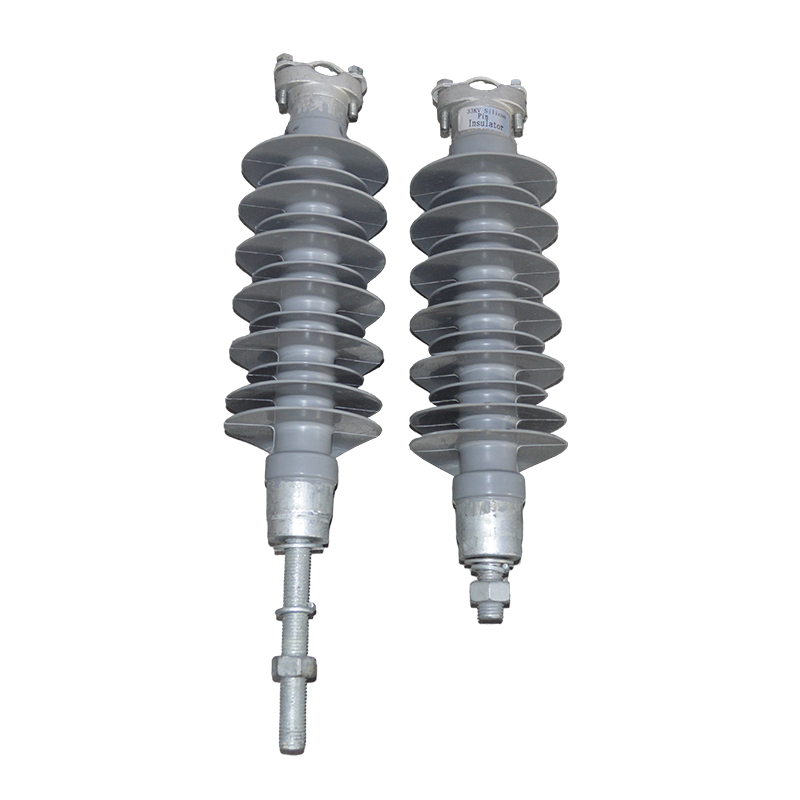
What are the types of polymeric insulators?
Composite polymer insulator technology has become a key part of modern power transmission because utilities need insulation that is lighter, safer in polluted areas, and easier to install than traditional porcelain or glass. In the last decade, grid operators have increased the use of polymer-based line hardware in harsh environments such as coastal zones, industrial corridors, and high-humidity
Oct. 13, 2026
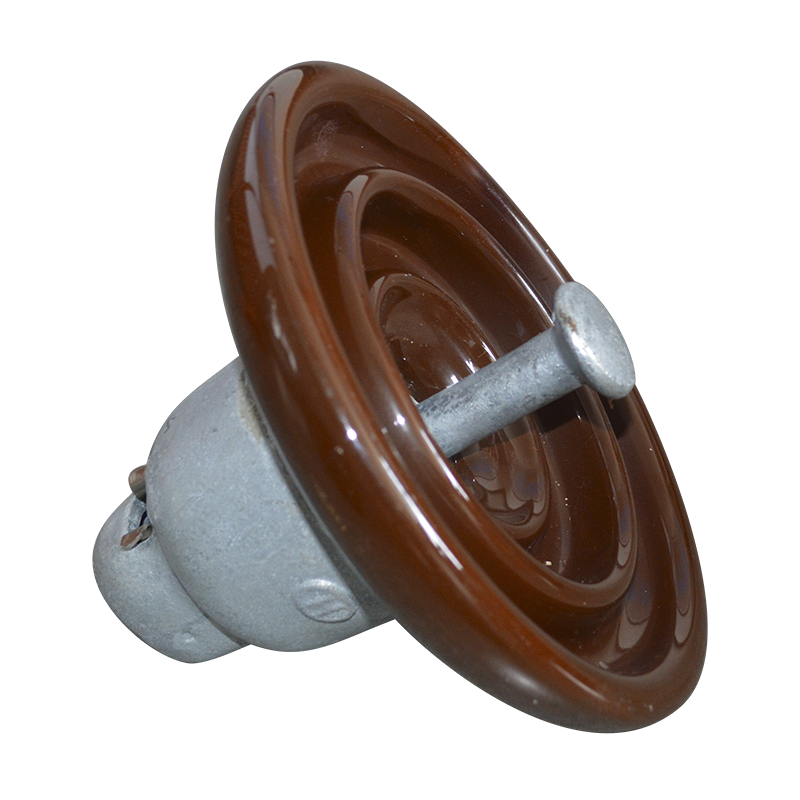
How do porcelain insulators compare to glass and polymeric insulators?
If you are choosing a Ceramic Porcelain Insulator for a substation, overhead line, or distribution network, the real question is usually not “Which material is best?” but “Which one is safest, easiest to maintain, and cheapest over the full service life?” In high-humidity corridors, coastal lines, and pollution-heavy industrial sites, porcelain insulators, glass insulators, and polymeric
Oct. 13, 2026
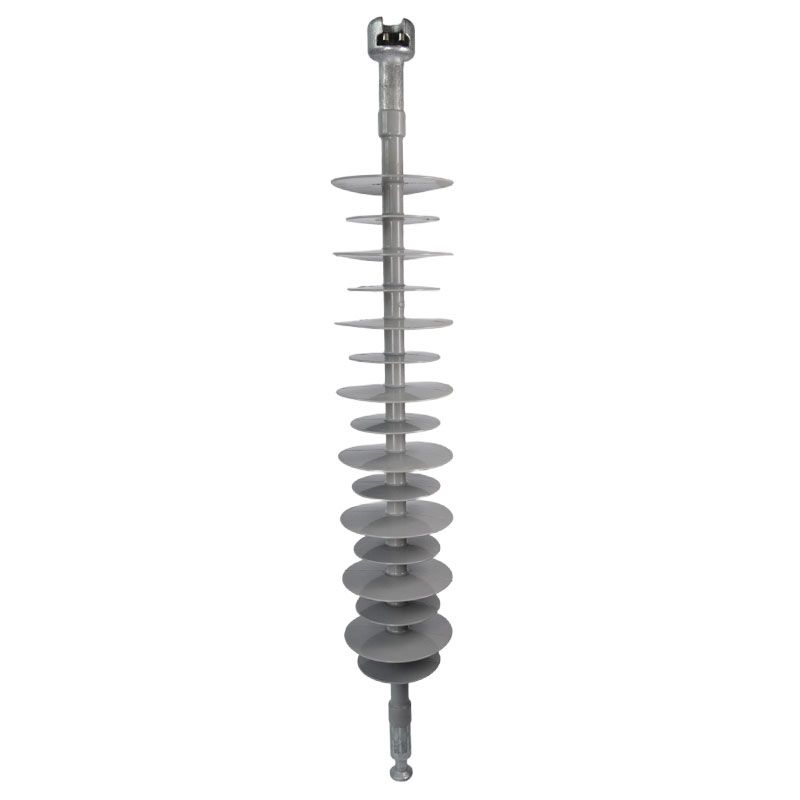
Do polymeric insulators meet international standards?
Polymeric insulators are electrical insulation devices made from silicone rubber, EPDM, or other high-performance polymers, designed to support and isolate conductors in overhead lines and substations. In practical use, a Polymeric Insulator helps utilities and industrial operators reduce outage risk, improve pollution flashover performance, and lower maintenance costs. For businesses, the value
Oct. 09, 2026
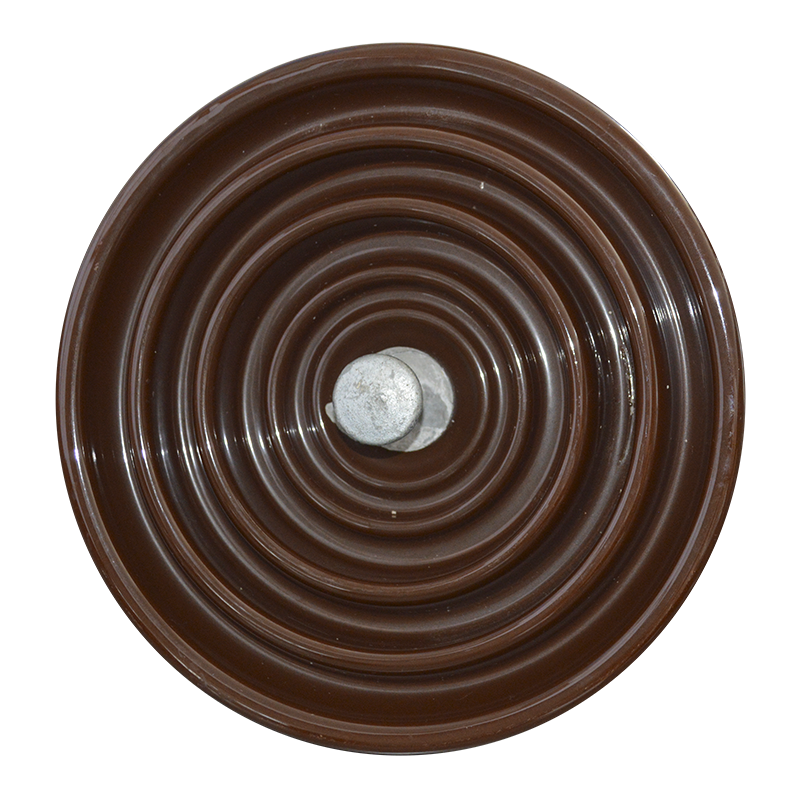
What are the disadvantages of porcelain insulators?
A Porcelain Insulator is a high-strength electrical insulating component made from fired ceramic materials, used to support and isolate conductors in power transmission, substations, rail traction, and distribution networks. In simple terms, it keeps electricity where it should be and helps equipment operate safely. For businesses, this matters because a reliable Ceramic Porcelain Insulator can
Oct. 13, 2026
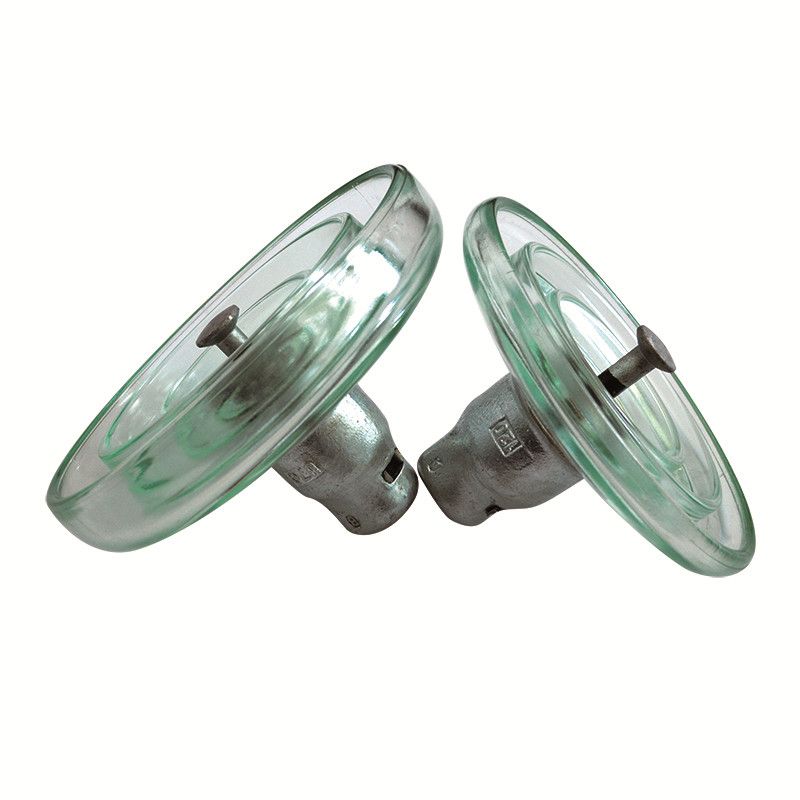
What are the advantages of glass insulators?
Glass power line insulators are key parts of overhead transmission and distribution systems. They keep current where it belongs and help wires stay safely separated from towers and poles. For utilities, this matters because one failed insulator can trigger outage risk, maintenance cost, and service interruption. For project teams and buyers, the real question is not just “what is it?” but
Sep. 04, 2026
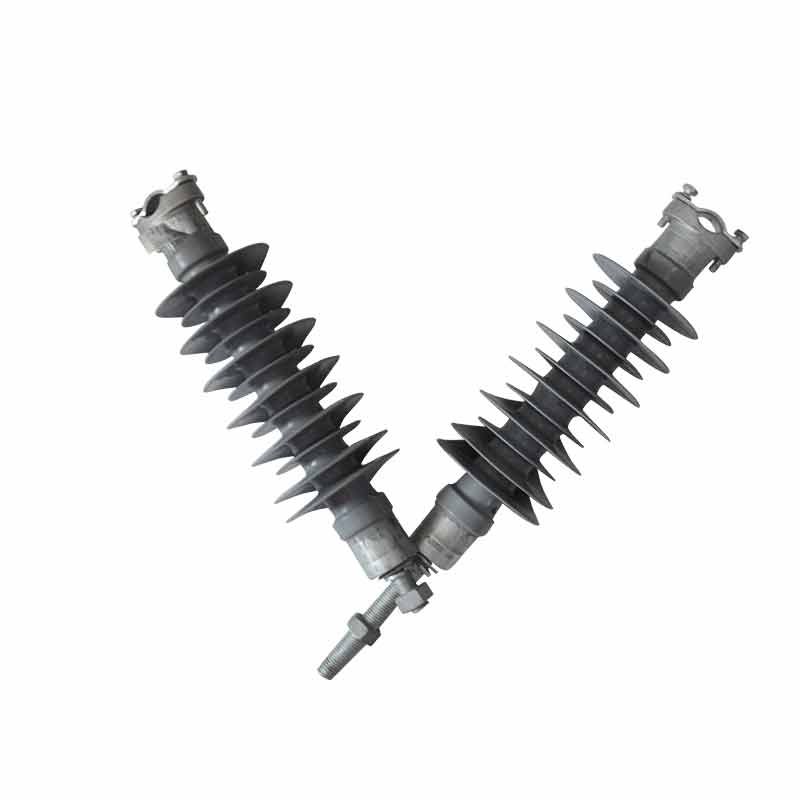
Are polymeric insulators resistant to pollution and salt fog?
A Polymeric Insulator is a lightweight composite insulation device made from a fiberglass core, silicone rubber housing, and metal end fittings. In practical power-grid applications, it is used to support and isolate conductors on transmission and distribution lines while resisting environmental stress such as contamination, moisture, and UV aging. For utilities and EPC contractors, this matters
Sep. 03, 2026
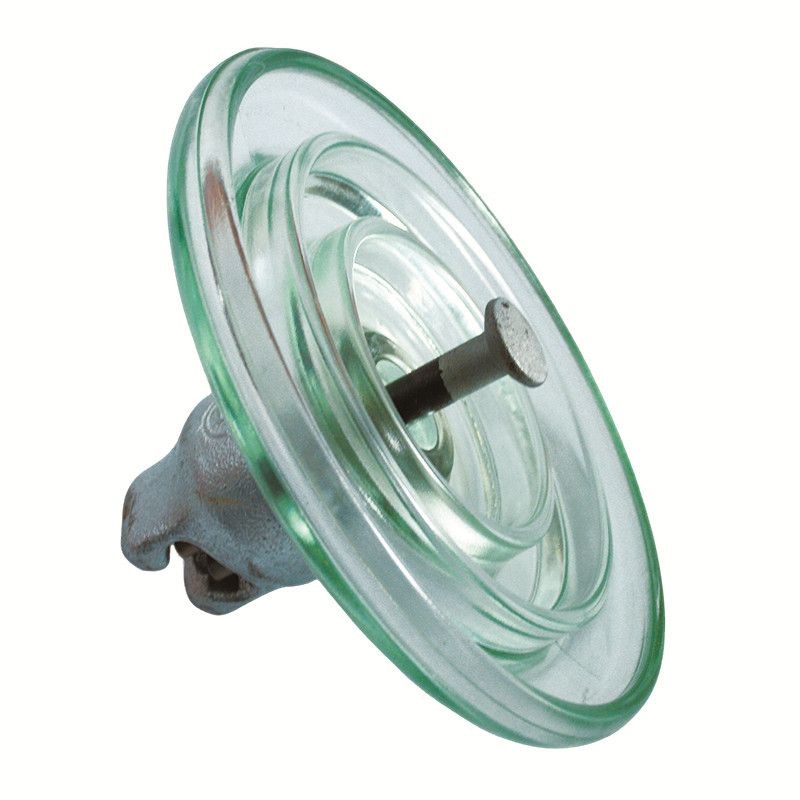
How do glass insulators differ from porcelain and polymeric insulators?
Glass Insulators are widely used in power transmission and distribution networks because they are easy to inspect, cost-effective in many applications, and offer strong long-term performance when selected correctly. If you are comparing Glass Insulators with porcelain and polymeric options, the real question is not only material difference, but als
Sep. 02, 2026
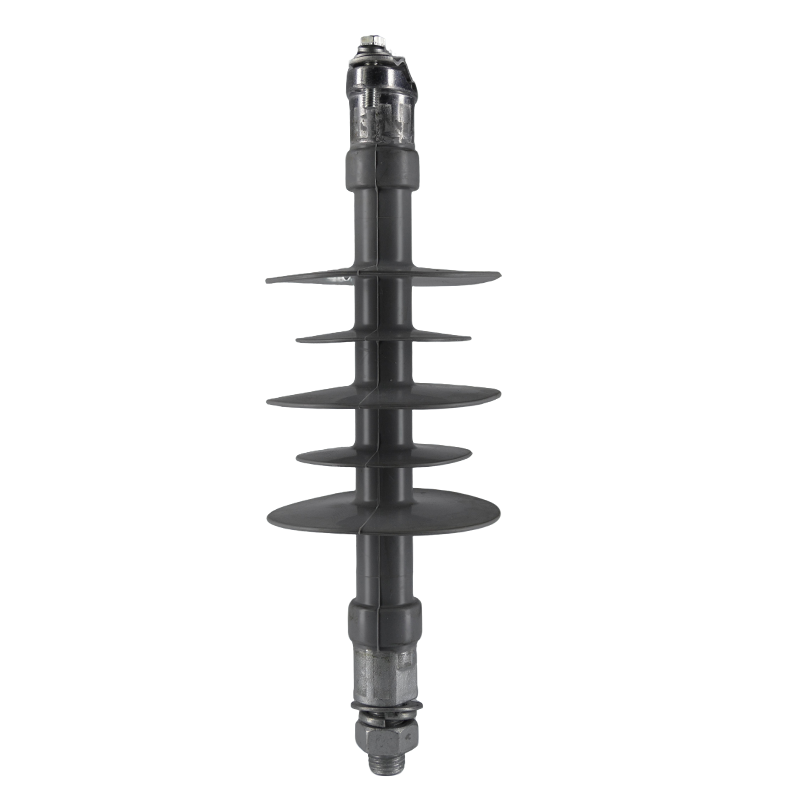
What materials are used in polymeric insulators?
The Composite polymer insulator has become an important part of modern power transmission and distribution systems. As grids move toward higher voltage levels and harsher outdoor environments, utilities need insulation that is lighter, safer, and easier to maintain. A polymeric insulator helps solve real field problems such as flashover in pollution, broken porcelain caused by impact, and high
Sep. 01, 2026

The principle of zinc oxide arrester
The core component is a zinc oxide (ZnO) resistor varistor, whose internal grains exhibit nonlinear volt-ampere characteristics:
Aug. 14, 2026

What are the advantages of porcelain insulators?
Ceramic Porcelain Insulator is a core part of modern power transmission and distribution systems. It helps lines stay safe, stable, and insulated under rain, dust, heat, and mechanical stress. In today’s grid, the need for a reliable porcelain insulator for power lines, a high voltage ceramic porcelain insulator, and a durable electrical porcelai
Aug. 07, 2026