Sep. 03, 2026
A Polymeric Insulator is a lightweight composite insulation device made from a fiberglass core, silicone rubber housing, and metal end fittings. In practical power-grid applications, it is used to support and isolate conductors on transmission and distribution lines while resisting environmental stress such as contamination, moisture, and UV aging. For utilities and EPC contractors, this matters because a well-designed Composite polymer insulator can reduce flashover risk, lower maintenance cost, and improve line availability in coastal, industrial, and desert environments.
For businesses that operate high-voltage assets, the real question is not just “what is it?” but Are polymeric insulators resistant to pollution and salt fog? The short answer is yes—when the material formulation, shed profile, creepage distance, and sealing quality are engineered correctly and verified by standardized testing, a Composite polymer insulator can perform extremely well in polluted and salt-laden atmospheres.

The move from porcelain and glass to polymeric designs did not happen by accident. As grid operators faced higher outage costs, heavier contamination, and stricter reliability targets, the industry needed an insulator with better hydrophobicity and lower weight. That is where the modern Composite polymer insulator gained traction.
Unlike rigid ceramic units, a Composite polymer insulator uses a silicone rubber housing that can restore surface hydrophobicity, helping water form discrete droplets instead of a continuous conductive film. In polluted zones, this hydrophobic behavior is critical because it reduces leakage current and the likelihood of dry-band arcing.
Over time, the industry has adopted this technology for:
ZheXi has focused on this field with manufacturing controls designed for repeatability, including precision process control to 0.01 mm in key fit-up operations and 100% inspection of critical interfaces. That level of process discipline is essential when producing a reliable Composite polymer insulator for severe service conditions.
Yes—polymeric insulators are generally highly resistant to pollution and salt fog, especially when they are designed as a high-quality Composite polymer insulator with premium silicone rubber and proper creepage distance.
What makes them resistant is not a single feature, but a combination of technical factors:
In polluted coastal zones, salt particles settle on the insulator surface. If the surface becomes wet, a conductive layer can form. Traditional materials may lose performance quickly, but a Composite polymer insulator often maintains better surface behavior because the silicone housing tends to repel water and can recover hydrophobicity after contamination exposure.
For salt fog performance, testing is commonly evaluated according to industry-relevant methods such as:
When a Composite polymer insulator passes these protocols, it indicates a strong ability to withstand pollution severity, salt deposition, and wetting cycles.
The performance of a Composite polymer insulator depends on engineering details that are often invisible in the field.
Silicone rubber formulation
High-grade HTV or LSR silicone improves hydrophobic recovery and tracking resistance.
Creepage distance
Longer creepage paths help reduce surface flashover risk in contaminated areas.
Shed profile and spacing
Aerodynamic shed geometry helps limit wet pollution bridging.
Core rod quality
Fiberglass-reinforced epoxy rods must have low water ingress and stable mechanical properties.
Crimping and sealing quality
Poor sealing can allow moisture ingress, leading to interface degradation.
A well-built Composite polymer insulator is not simply “plastic on a stick.” It is a multi-material electrical system designed for dielectric stability, mechanical load bearing, and long-term environmental endurance.
Despite their success, several misconceptions still circulate in the market.
Not always. A Composite polymer insulator is excellent in many contaminated environments, but the final selection depends on system voltage, mechanical loading, UV exposure, wildlife conditions, and procurement quality. Poorly made products can fail regardless of material type.
This is inaccurate. A properly designed Composite polymer insulator is intended for coastal and saline service. In many cases, it outperforms conventional insulators because of hydrophobicity and lower pollution flashover probability.
They are not. Two products labeled as a Composite polymer insulator may differ significantly in silicone quality, interface sealing, test compliance, and mechanical margin. Quality verification matters more than marketing language.
A Composite polymer insulator can reduce maintenance, but it does not eliminate the need for inspection. Utilities still need condition monitoring, corona checks, contamination surveys, and periodic IR/visual assessments.
In business purchasing, claims are only useful when they are backed by evidence. ZheXi positions its Composite polymer insulator products for harsh-environment service by aligning production and validation with measurable controls.
For buyers, this means the product is not judged by appearance alone. It is verified by process capability, test data, and field suitability. That is especially important when selecting a Composite polymer insulator for coastal substations or industrial feeders.
A utility operating near the shoreline selected a Composite polymer insulator for a 110 kV line exposed to salt spray and monsoon humidity. After switching from a conventional ceramic design, the line experienced fewer contamination-related outages and lower washing frequency. The operational benefit was not just electrical stability—it also reduced labor and outage management costs.
In a chemical manufacturing zone, airborne pollutants and conductive dust created recurring flashover risk. A Composite polymer insulator with suitable creepage distance and silicone housing helped improve leakage current performance under wet conditions. The result was better asset reliability and fewer emergency interventions.
During a substation refurbishment, engineers replaced aging units with a Composite polymer insulator to reduce weight and simplify installation. Because the product was lighter than porcelain, handling risk decreased, and the maintenance team completed the retrofit more efficiently.
These examples show that the value of a Composite polymer insulator is not theoretical. In the field, it supports uptime, lowers lifecycle cost, and enhances grid resilience.
| Feature | Composite polymer insulator | Porcelain insulator | Practical impact |
|---|---|---|---|
| Hydrophobicity | High | Low | Better wet contamination performance |
| Weight | Light | Heavy | Easier transport and installation |
| Salt fog resistance | Strong when properly designed | Moderate | Lower flashover risk in coastal areas |
| Pollution performance | Strong | Moderate | Improved reliability in industrial zones |
| Maintenance demand | Lower | Higher | Reduced washing and inspection frequency |
This comparison does not mean every Composite polymer insulator is automatically superior. It means the technology offers strong advantages when engineered and specified correctly.
To avoid procurement mistakes, evaluate the following:
Test standards compliance
Creepage and voltage rating
Housing material
Mechanical strength
Sealing technology
Supplier traceability
A dependable Composite polymer insulator should come with technical documentation, test evidence, and clear application guidance—not vague promises.
For procurement teams, asset managers, and utility engineers, the question Are polymeric insulators resistant to pollution and salt fog? affects more than electrical theory. It affects outage frequency, maintenance scheduling, spare-parts inventory, and total cost of ownership.
When the specification is correct, a Composite polymer insulator can deliver:
That is why many operators now treat the Composite polymer insulator as a strategic asset rather than a commodity part.
In practical terms, polymeric insulators are resistant to pollution and salt fog when they are properly designed, tested, and manufactured. Their silicone rubber hydrophobicity, optimized creepage distance, and sealed composite structure give them a strong advantage in harsh environments. A high-quality Composite polymer insulator from a trusted manufacturer like ZheXi can improve reliability, reduce maintenance, and support long-term grid performance.
If you are evaluating products for coastal, industrial, or high-contamination service, review the test reports, verify compliance with IEC, ASTM, and DIN standards, and request application support early in the procurement process. For demanding projects, the right Composite polymer insulator is not just a component—it is a reliability investment.
Latest News
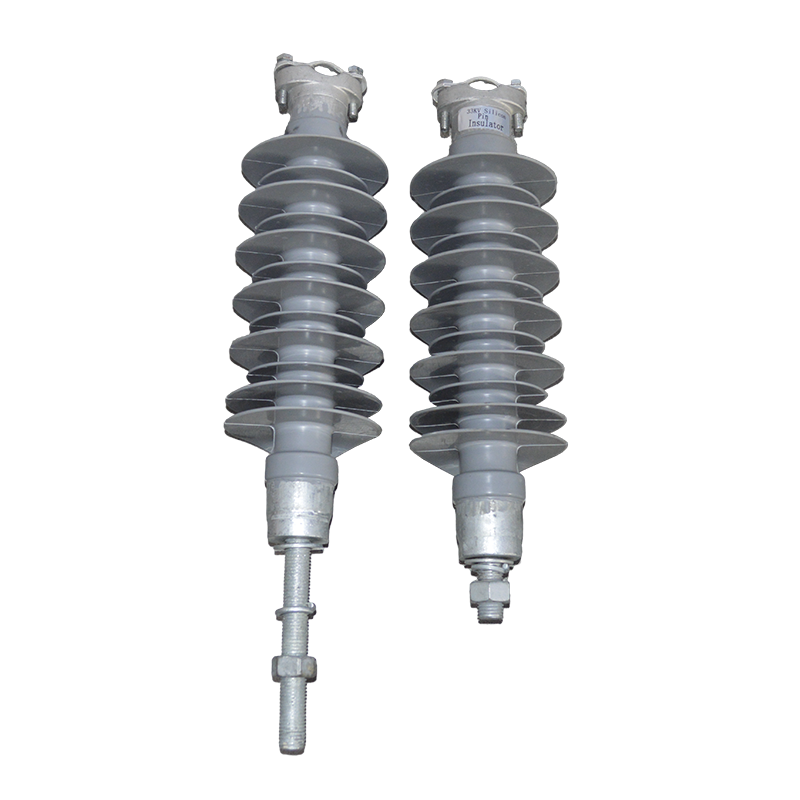
What are the types of polymeric insulators?
Composite polymer insulator technology has become a key part of modern power transmission because utilities need insulation that is lighter, safer in polluted areas, and easier to install than traditional porcelain or glass. In the last decade, grid operators have increased the use of polymer-based line hardware in harsh environments such as coastal zones, industrial corridors, and high-humidity
Oct. 13, 2026
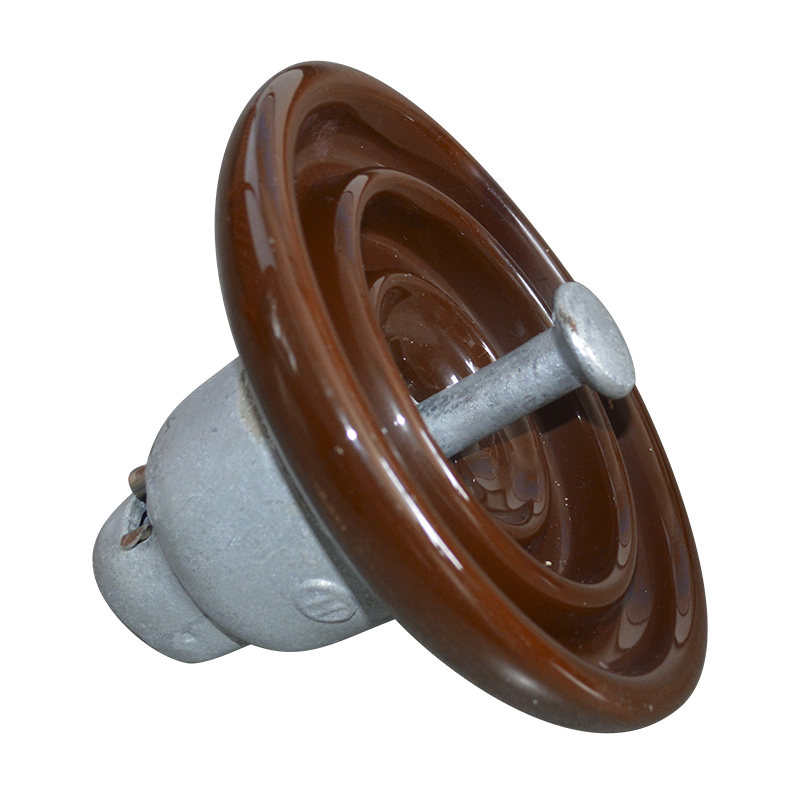
How do porcelain insulators compare to glass and polymeric insulators?
If you are choosing a Ceramic Porcelain Insulator for a substation, overhead line, or distribution network, the real question is usually not “Which material is best?” but “Which one is safest, easiest to maintain, and cheapest over the full service life?” In high-humidity corridors, coastal lines, and pollution-heavy industrial sites, porcelain insulators, glass insulators, and polymeric
Oct. 13, 2026
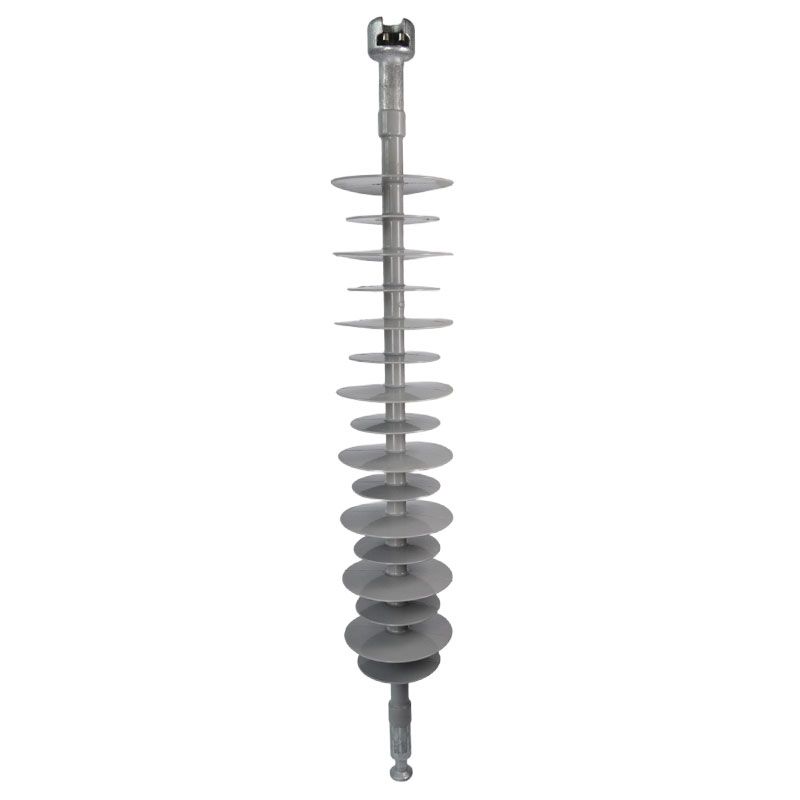
Do polymeric insulators meet international standards?
Polymeric insulators are electrical insulation devices made from silicone rubber, EPDM, or other high-performance polymers, designed to support and isolate conductors in overhead lines and substations. In practical use, a Polymeric Insulator helps utilities and industrial operators reduce outage risk, improve pollution flashover performance, and lower maintenance costs. For businesses, the value
Oct. 09, 2026
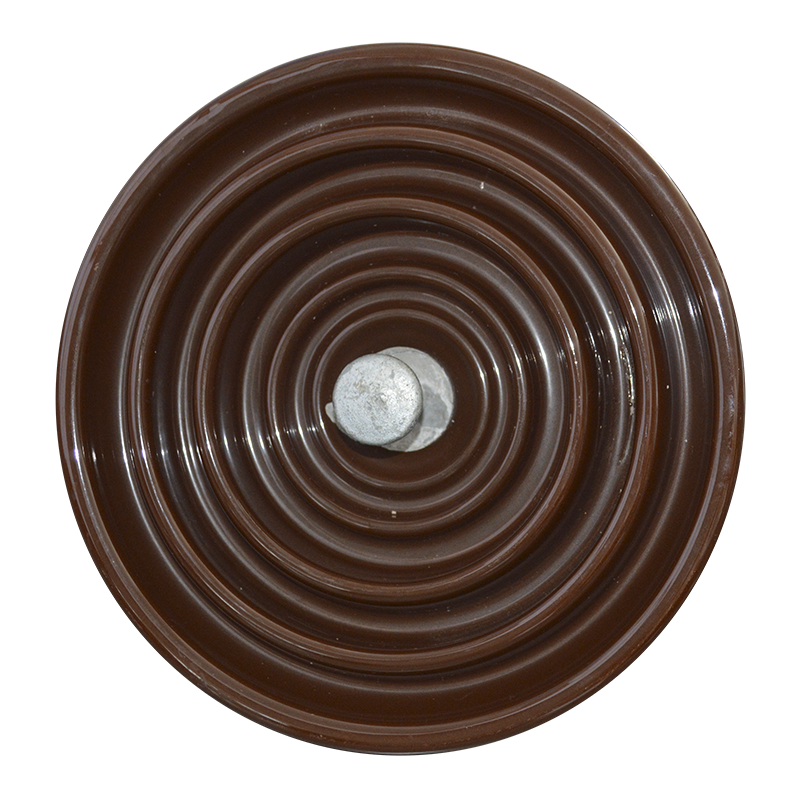
What are the disadvantages of porcelain insulators?
A Porcelain Insulator is a high-strength electrical insulating component made from fired ceramic materials, used to support and isolate conductors in power transmission, substations, rail traction, and distribution networks. In simple terms, it keeps electricity where it should be and helps equipment operate safely. For businesses, this matters because a reliable Ceramic Porcelain Insulator can
Oct. 13, 2026
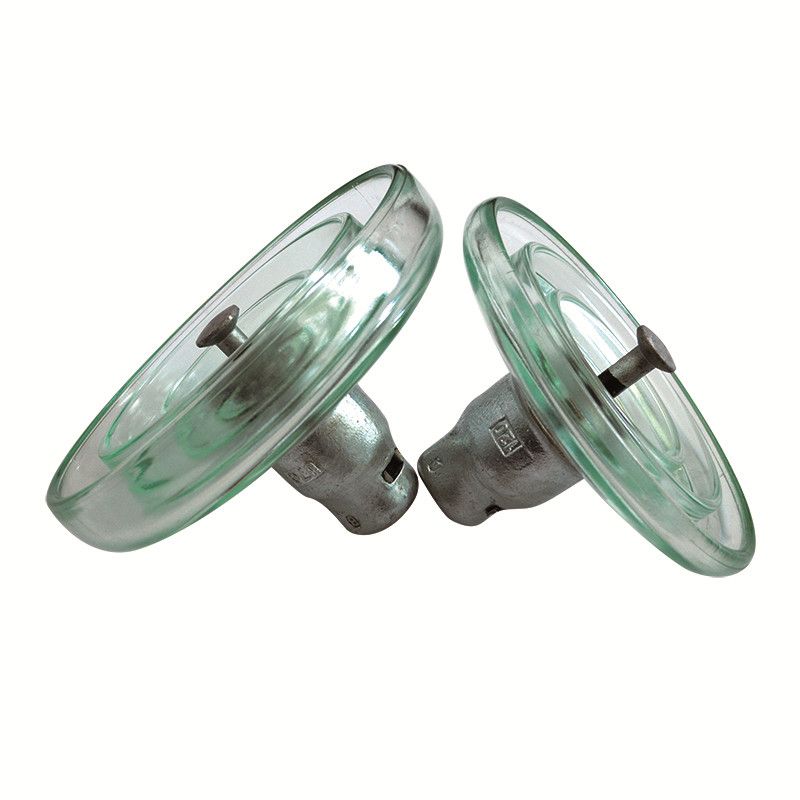
What are the advantages of glass insulators?
Glass power line insulators are key parts of overhead transmission and distribution systems. They keep current where it belongs and help wires stay safely separated from towers and poles. For utilities, this matters because one failed insulator can trigger outage risk, maintenance cost, and service interruption. For project teams and buyers, the real question is not just “what is it?” but
Sep. 04, 2026
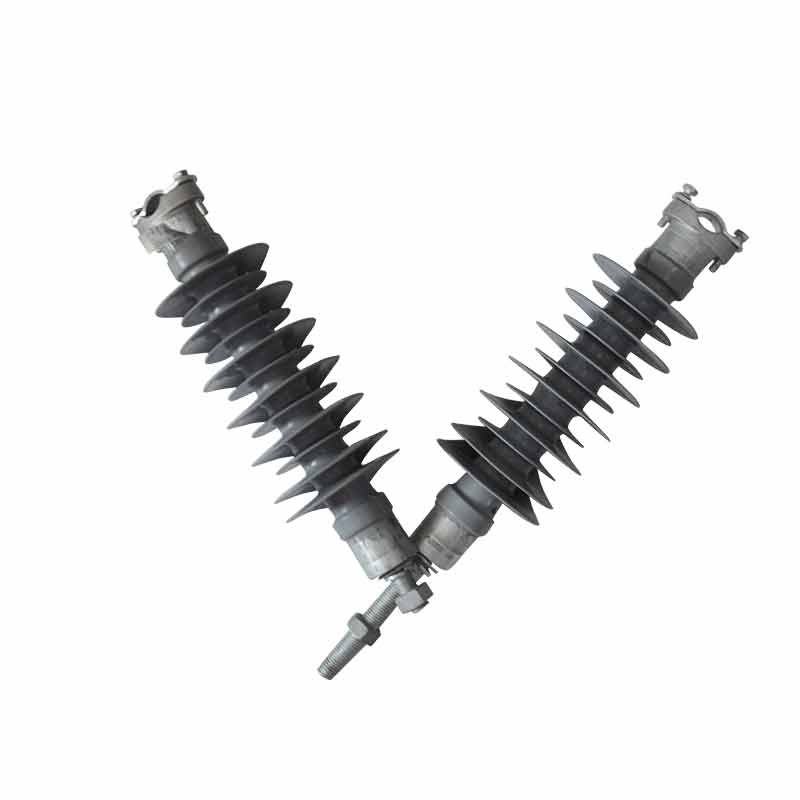
Are polymeric insulators resistant to pollution and salt fog?
A Polymeric Insulator is a lightweight composite insulation device made from a fiberglass core, silicone rubber housing, and metal end fittings. In practical power-grid applications, it is used to support and isolate conductors on transmission and distribution lines while resisting environmental stress such as contamination, moisture, and UV aging. For utilities and EPC contractors, this matters
Sep. 03, 2026
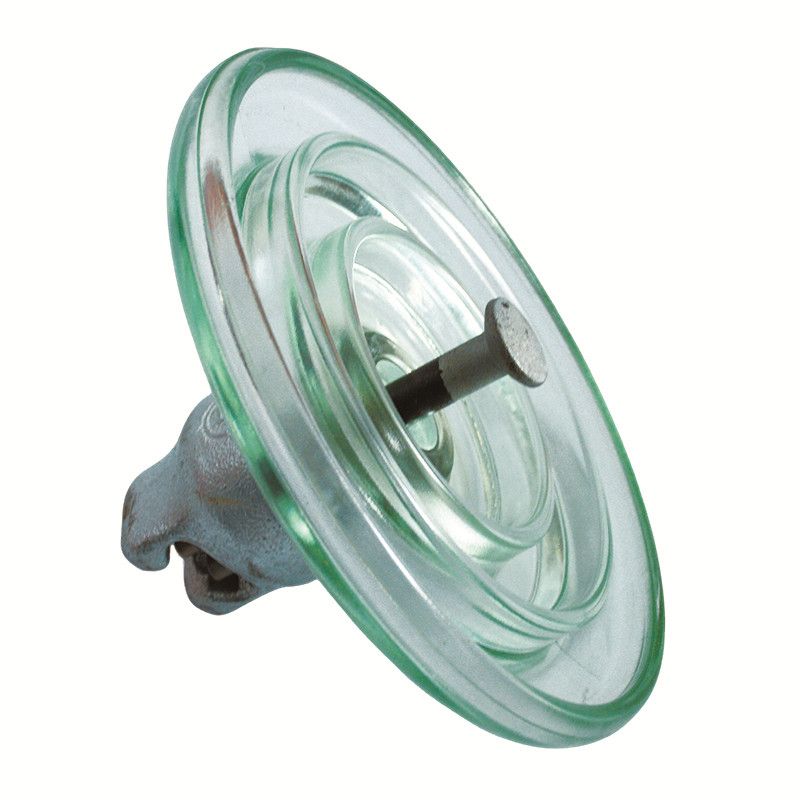
How do glass insulators differ from porcelain and polymeric insulators?
Glass Insulators are widely used in power transmission and distribution networks because they are easy to inspect, cost-effective in many applications, and offer strong long-term performance when selected correctly. If you are comparing Glass Insulators with porcelain and polymeric options, the real question is not only material difference, but als
Sep. 02, 2026
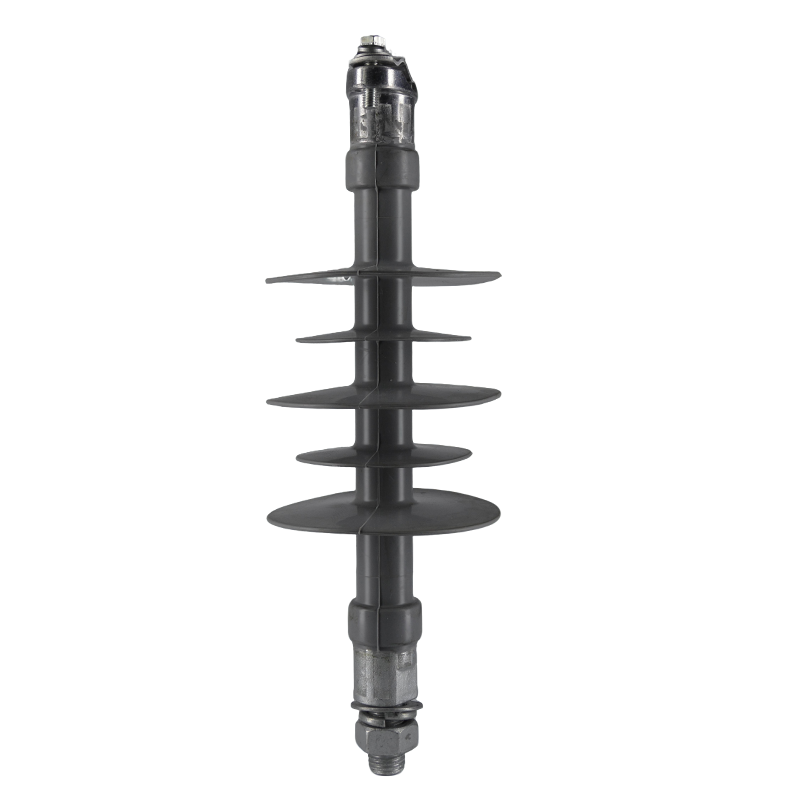
What materials are used in polymeric insulators?
The Composite polymer insulator has become an important part of modern power transmission and distribution systems. As grids move toward higher voltage levels and harsher outdoor environments, utilities need insulation that is lighter, safer, and easier to maintain. A polymeric insulator helps solve real field problems such as flashover in pollution, broken porcelain caused by impact, and high
Sep. 01, 2026

The principle of zinc oxide arrester
The core component is a zinc oxide (ZnO) resistor varistor, whose internal grains exhibit nonlinear volt-ampere characteristics:
Aug. 14, 2026

What are the advantages of porcelain insulators?
Ceramic Porcelain Insulator is a core part of modern power transmission and distribution systems. It helps lines stay safe, stable, and insulated under rain, dust, heat, and mechanical stress. In today’s grid, the need for a reliable porcelain insulator for power lines, a high voltage ceramic porcelain insulator, and a durable electrical porcelai
Aug. 07, 2026